If you have been looking at homes in East Cobb, you have probably noticed something quickly: school zones can change both the price you pay and the way a neighborhood feels day to day. That can make your search exciting, but it can also make it harder to compare homes that seem similar on paper. This guide will help you understand how East Cobb schools shape home prices, what lifestyle differences buyers often see across major school clusters, and what to verify before you write an offer. Let’s dive in.
Why schools matter in East Cobb
East Cobb carries a price premium compared with Cobb County overall. Redfin’s March 2026 snapshot shows a median sale price of $495,000 in East Cobb, compared with $425,000 countywide. That does not prove schools are the only reason for the premium, but it does support the idea that school reputation is part of the pricing story.
For many buyers, school zones influence more than resale value. They also affect the types of homes you will see, the range of price points available, and the rhythm of daily life in a community. In East Cobb, that often means your decision is not just about a house. It is also about how a school cluster fits your budget, priorities, and long-term plans.
East Cobb market context
East Cobb is a somewhat competitive market. According to Redfin’s current snapshot, homes took about 55 days to sell in March 2026 and received roughly 3 offers on average. That tells you buyers still compete for desirable homes, even in a market where prices were down about 3.9% year over year.
For you as a buyer or seller, this matters because school-zone demand does not operate in isolation. Condition, updates, lot size, and exact location still influence value. A strong school-related reputation may help support demand, but buyers continue to compare homes carefully.
Walton cluster and pricing
The Walton cluster is often one of the first areas buyers ask about in East Cobb. Walton High School’s 2025-26 profile lists 2,656 students, a mean SAT of 1299, and 92% of graduates planning to attend a four-year college. The school profile also notes a large AP, STEM, and International Spanish Academy presence, with 1,476 AP students and 3,463 AP exams taken.
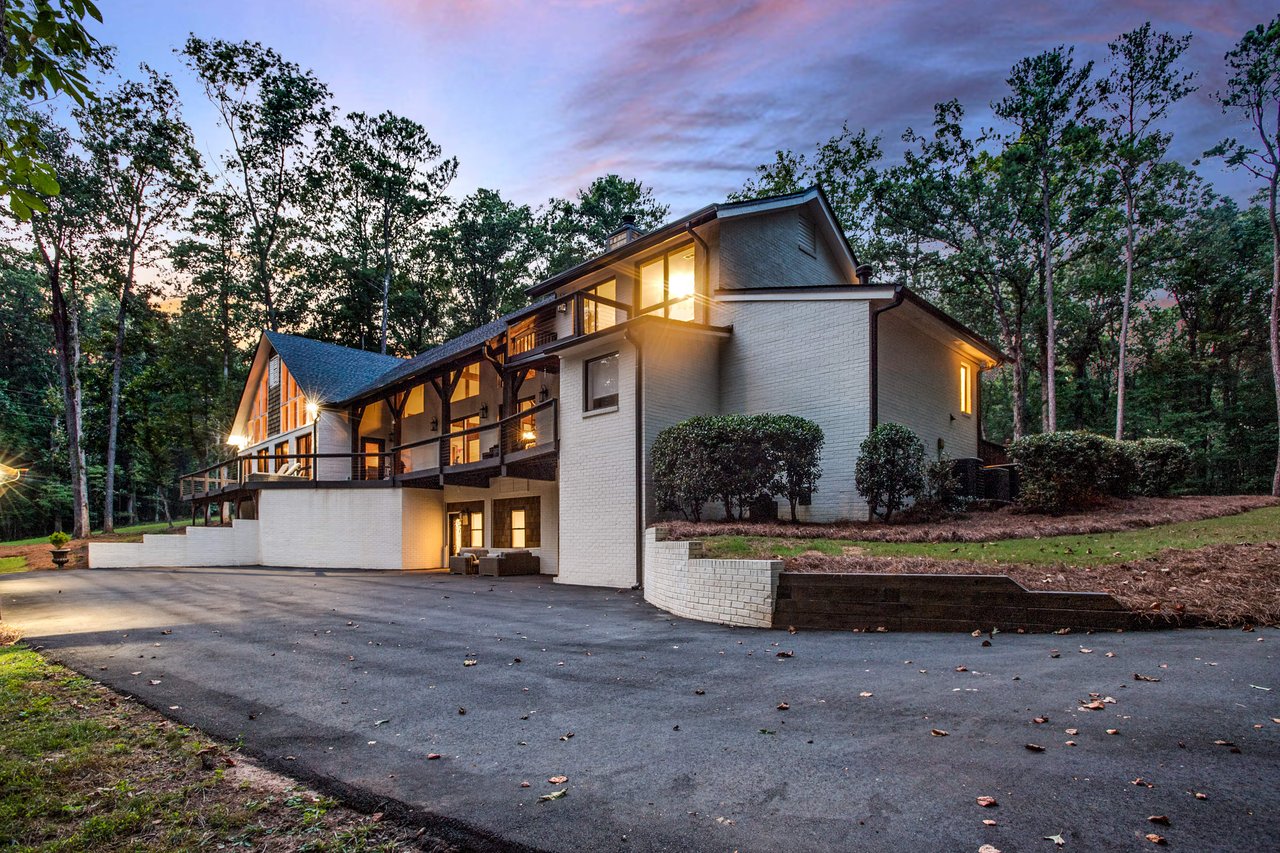
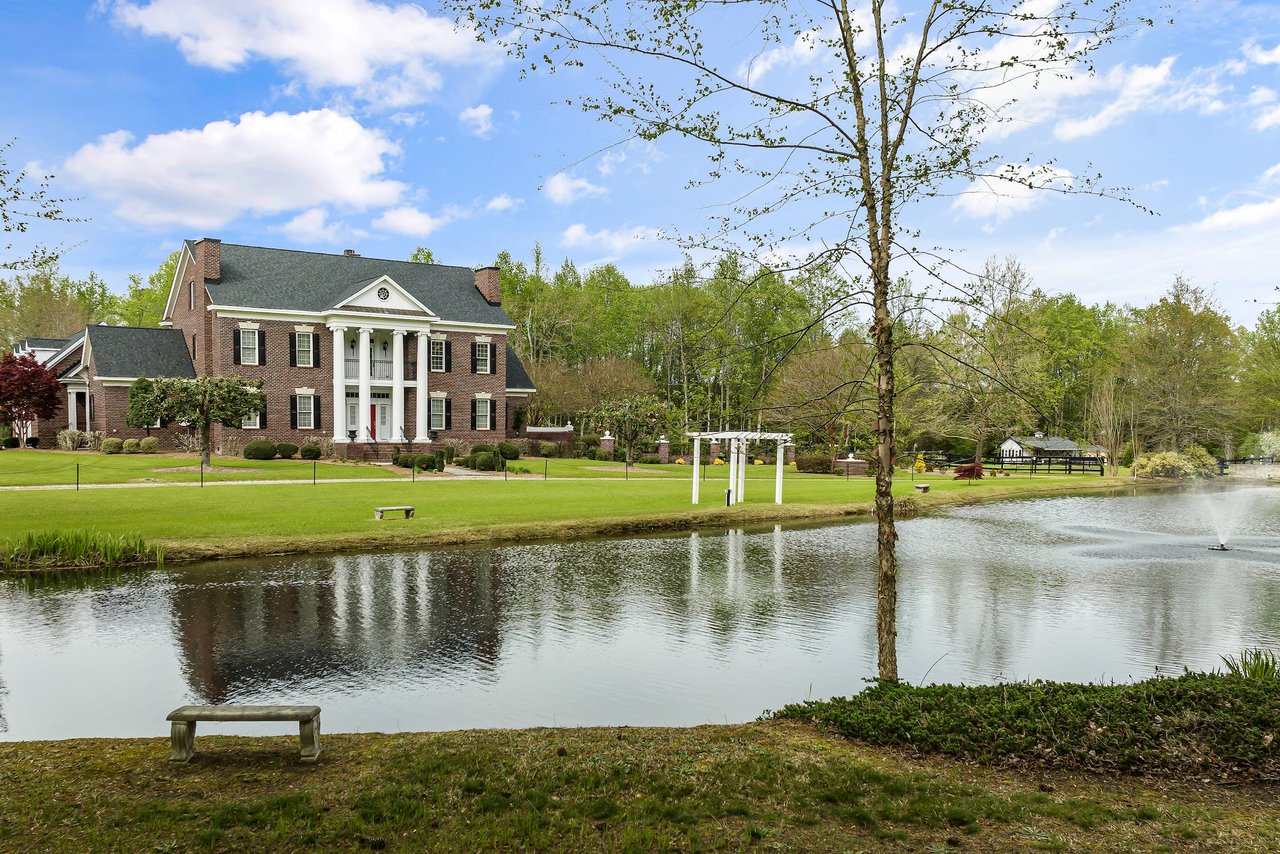
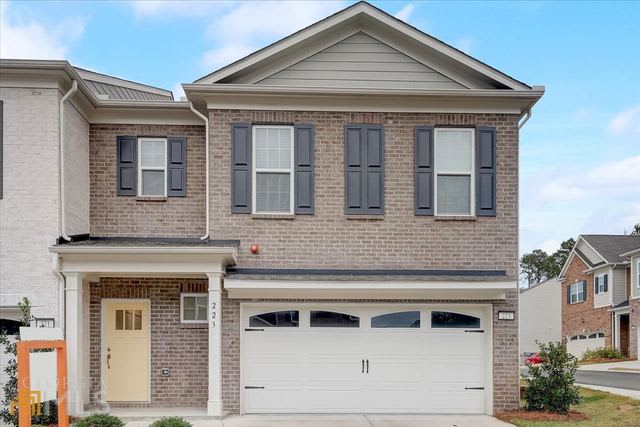
That academic profile is one reason many buyers associate the Walton cluster with a strong college-prep environment. In practical terms, that reputation often becomes part of home pricing. Current listing snapshots show one of the widest price ranges among East Cobb clusters, with some attached homes below $500,000, many detached homes around $600,000 to $1.2 million, and estate properties stretching beyond $2 million.
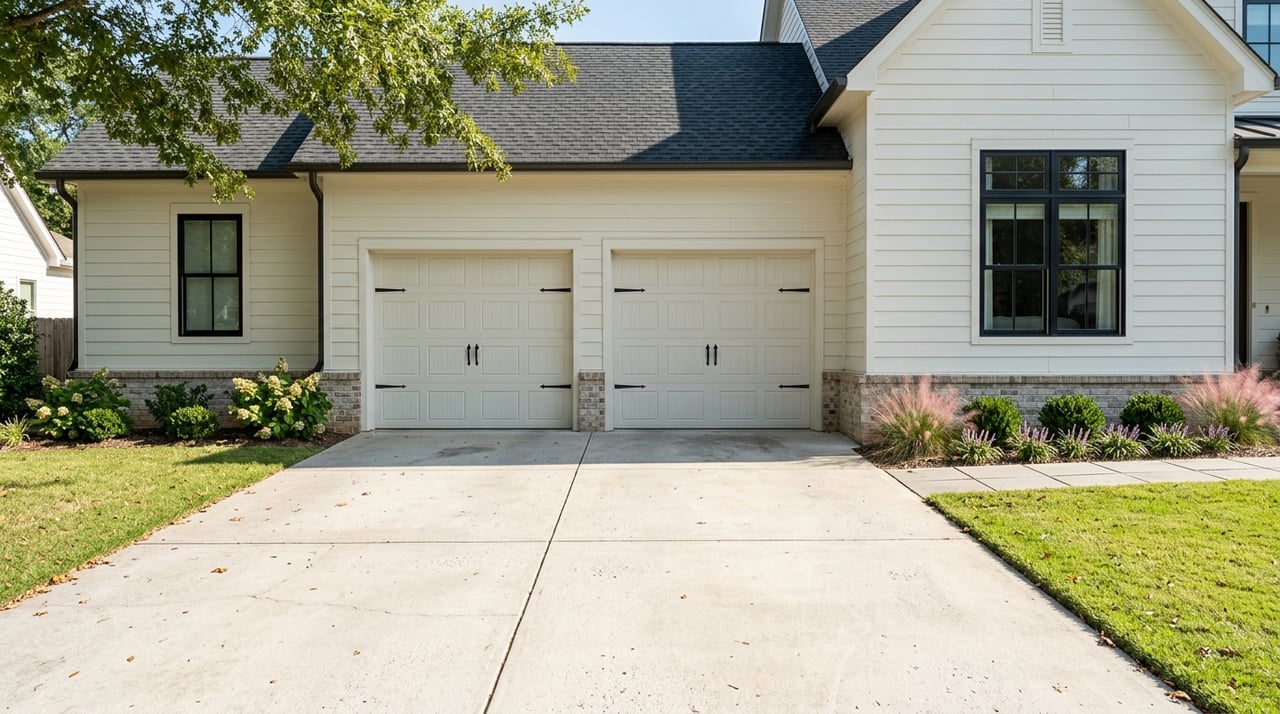
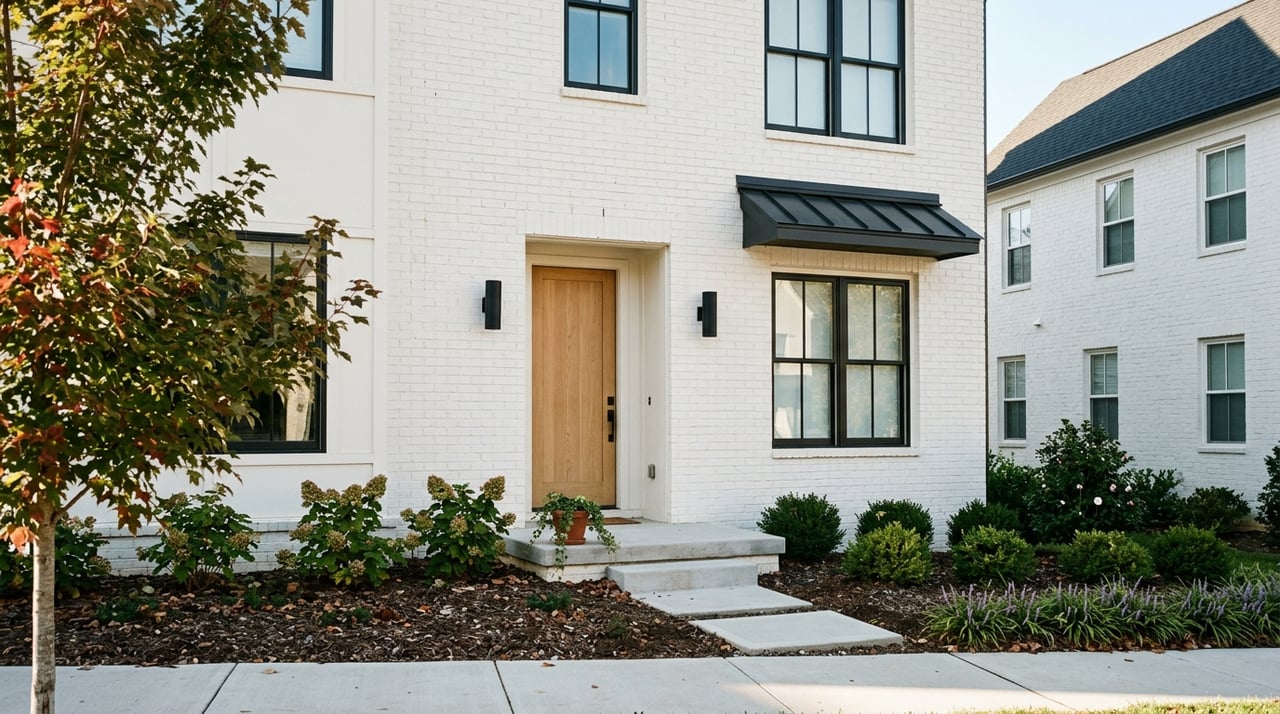
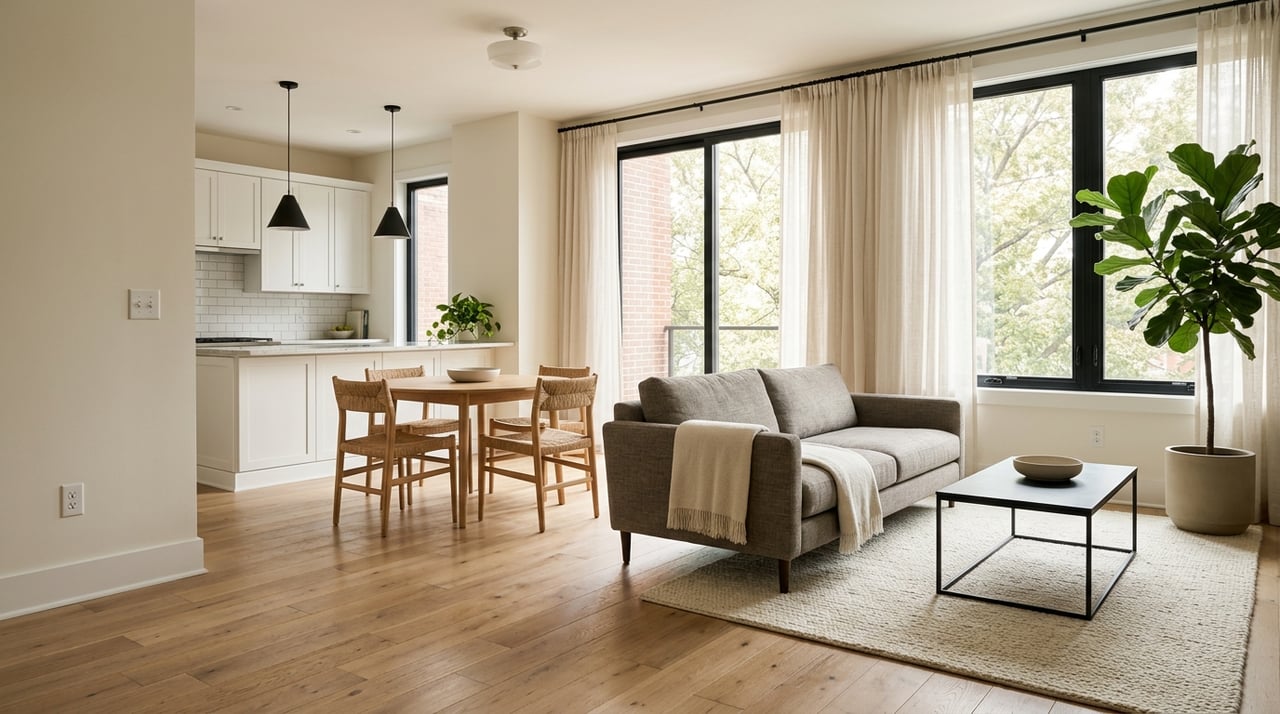
Walton also offers more variety than some buyers expect. You may find renovated traditional homes, larger executive properties, and occasional condo or townhouse-style options. That range can make the cluster appealing if you want a recognized school zone but need flexibility in home type or budget.
Walton lifestyle feel
Walton’s day-to-day culture appears strongly centered on academics and enrichment. The school profile highlights AP coursework across many subjects, a STEM Academy, an International Spanish Academy, athletics, and a long list of clubs. For many households, that can translate into a calendar filled with classes, activities, events, and testing schedules.
The feeder pattern also matters here. Dickerson Middle feeds Walton at 100%, and Cobb’s East Side zone also feeds Walton. For many buyers, the middle school boundary serves as a practical way to understand how neighborhoods are grouped, although exact address verification is still essential.
Pope cluster and single-family appeal
The Pope cluster tends to attract buyers who want a more consistently detached-home environment. Pope High School’s 2025-26 profile lists 1,793 students, a mean SAT of 1185, a 25.2 ACT composite, a 98.2% graduation rate, and 90% of graduates planning two- or four-year college. The school also offers selective Globalization and STEM academies.
One especially useful detail for housing analysis is that Pope’s profile says the community is made up entirely of single-family homes. That helps explain why this cluster often feels more uniform from a housing-stock perspective. Current listing snapshots show many homes around $550,000 to $900,000, with upscale properties reaching roughly $2.2 million.
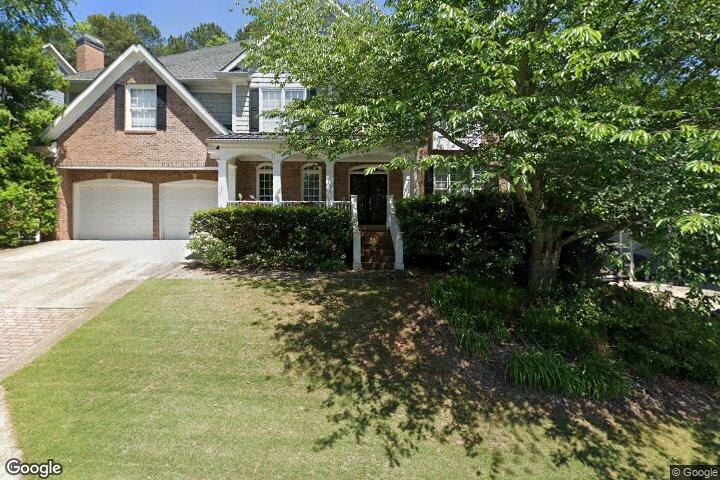
If you are comparing Pope with other East Cobb options, you may notice a strong emphasis on traditional neighborhood features. Listings often mention cul-de-sacs, finished basements, community pools, and larger lots. That can appeal to buyers who want space and a more established suburban layout.
Pope lifestyle feel
Pope’s school culture appears especially activity-heavy. The current brochure says more than half of students participate in athletics, and 90% participate in extracurriculars. That suggests a community rhythm shaped not just by academics, but also by sports, clubs, travel schedules, and school-related involvement.
Feeder lines help explain some pricing differences nearby. Hightower Trail feeds Pope at 100%, while Dickerson splits between Walton and Pope. That split can create situations where nearby streets look similar but carry different school-zone expectations and, in some cases, different pricing.
Lassiter cluster and established neighborhoods
The Lassiter cluster often appeals to buyers looking for established subdivisions and a broad middle-to-upper price range. Lassiter’s current profile lists 2,032 students, a mean SAT of 1182, a 24 ACT average, and recognition in AP, STEM, and humanities-related areas. Cobb also announced Lassiter as a 2026 AP Honor School in five categories.
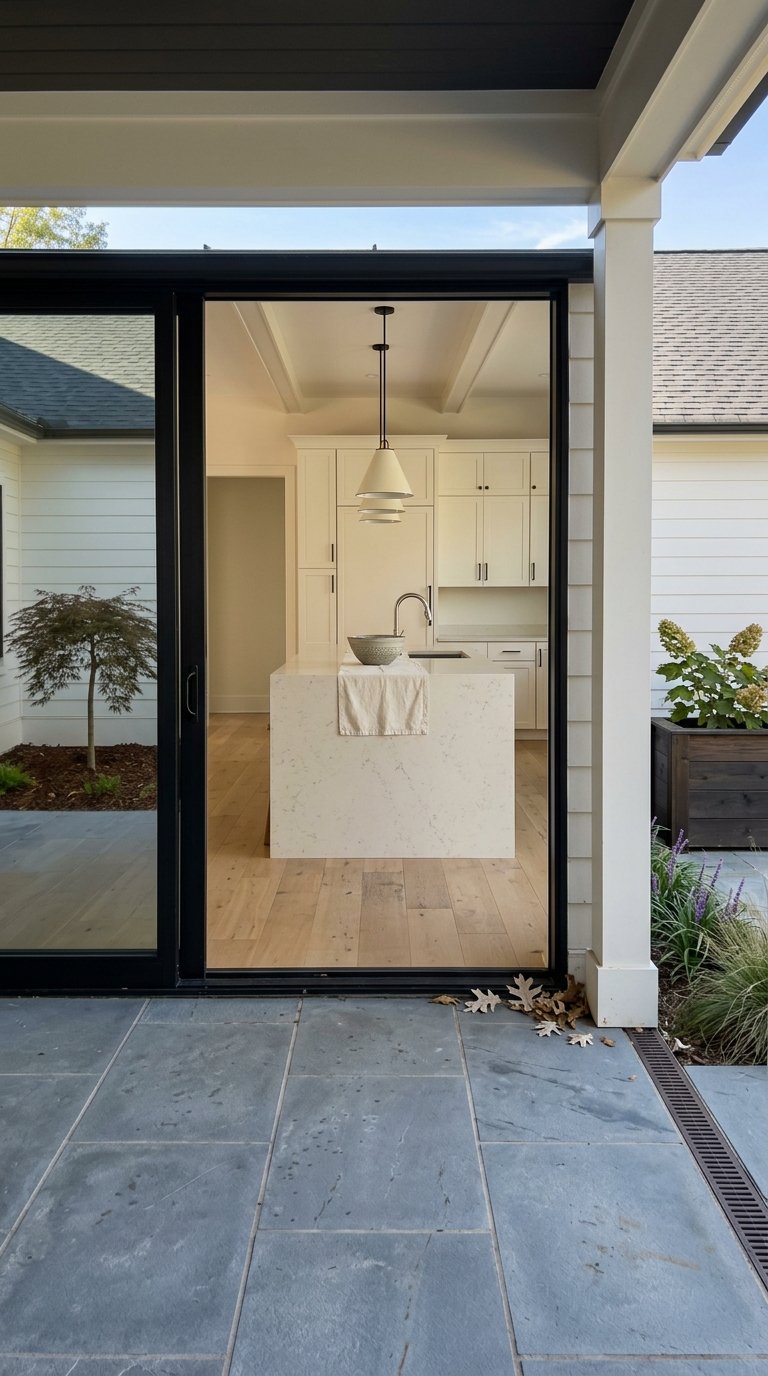
Current listing snapshots in the Lassiter zone run from roughly the mid-$500,000s to about $1.6 million. Many homes fall in the $550,000 to $900,000 range, with square footage commonly between 2,300 and 4,400. You will often see listings that emphasize mature trees, half-acre lots, community pools, and renovated traditional or contemporary homes.
For buyers who want neighborhood consistency without being tied to a single narrow price tier, Lassiter may offer a balanced option. It still reflects strong school-centered demand, but its housing stock often feels a bit broader and more rooted in established subdivisions.
Lassiter lifestyle feel
Lassiter’s school profile points to a wide range of activities, including athletics, clubs, STEM, robotics, debate, music, and other extracurriculars. That gives the area a school-connected feel, while still supporting several types of household routines and interests. It can feel less defined by one specific market identity than Walton, which is useful if you want flexibility.
The feeder pattern adds another layer. Mabry Middle feeds Lassiter at 100%, which can create a more straightforward framework for some buyers. Still, Cobb notes that feeder patterns and zones can change as demographics shift, so no perceived stability should replace address-level verification.
How school clusters affect home prices
In East Cobb, school-related demand often shows up in three practical ways. First, it can support a price premium compared with surrounding areas. Second, it can widen the gap between two homes that appear physically similar but fall into different feeder patterns. Third, it can influence how quickly homes attract attention when they are priced and presented well.
That said, schools are only part of the equation. A renovated home on a strong lot may outperform an outdated home in the same zone. Likewise, a home near a split feeder line may be priced differently than one deeper inside a cluster, even if the architecture and square footage feel similar.
For sellers, this means school-zone appeal should be positioned carefully within a broader pricing and marketing strategy. For buyers, it means you should weigh school context alongside renovation level, lot size, layout, commute, and long-term resale potential.
What to verify before making an offer
One of the biggest mistakes buyers make is assuming an online map is final. Cobb County School District says attendance-zone maps are approximate, future changes are possible, and buyers should not make a home-purchase decision based on maps alone. The district also notes that feeder patterns are residence-based and can be redrawn as new schools are built or demographics change.
The safest move is to verify the exact address with the district’s online school and bus locator before you write an offer. That step is especially important in East Cobb, where a nearby street or middle school split can affect how buyers perceive value. If school assignment is one of your top priorities, address-level confirmation should be part of your due diligence from the beginning.
Property taxes and total cost
Your monthly budget is about more than the purchase price. Georgia assesses property at 40% of fair market value, and Cobb lists the Cobb County School District millage rate at 18.70 mills. Using those published rates, a $700,000 home would generate about $5,236 in annual school tax before exemptions.
County, city, and fire millage can also apply depending on where the home is located. If you plan to use the home as your primary residence, it is smart to ask about homestead exemption eligibility and the appeal process through Cobb’s Tax Assessor’s Office. This helps you evaluate the full ownership cost, not just the list price.
A smart way to evaluate East Cobb homes
When you compare East Cobb homes, try to look at each property through two lenses at the same time. The first is the house itself: condition, lot, updates, layout, and price. The second is the cluster context: school assignment, neighborhood pattern, and how that location may shape both your lifestyle and future resale.
That balanced approach helps you avoid overpaying for a name alone or overlooking a strong opportunity because of assumptions. In East Cobb, small differences in feeder lines can matter, but so can thoughtful pricing, preparation, and strategy. The best decisions usually come from weighing all of those pieces together.
If you want help comparing neighborhoods, pricing a move, or deciding whether to buy, sell, renovate before listing, or explore an as-is option, Amy Pedersen can help you build a strategy that fits your goals.
FAQs
How do East Cobb schools affect home prices?
- East Cobb’s median sale price was $495,000 in March 2026 versus $425,000 for Cobb County overall, which shows an area premium where school reputation is reasonably considered part of the pricing story, along with condition, lot, and location.
Which East Cobb school cluster has the widest price range?
- Current listing snapshots show the Walton zone with the widest range, from some attached housing below $500,000 to detached homes around $600,000 to $1.2 million and estate properties above $2 million.
What is distinctive about homes in the Pope cluster?
- Pope’s school profile says the community is made up entirely of single-family homes, and current listings often feature cul-de-sacs, finished basements, community pools, and larger lots.
What kind of neighborhoods are common in the Lassiter cluster?
- Current Lassiter-zone listings often highlight established subdivisions, mature trees, half-acre lots, community pools, and renovated traditional or contemporary homes.
Should you rely on East Cobb school-zone maps when buying a home?
- No. Cobb County School District says attendance maps are approximate and should not be the sole basis for a purchase decision, so you should verify the exact address with the district’s school and bus locator.
How much are school taxes on an East Cobb home?
- Using Georgia’s 40% assessment method and Cobb County School District’s 18.70 millage rate, a $700,000 home would generate about $5,236 in annual school tax before exemptions, with other local millage rates potentially applying as well.