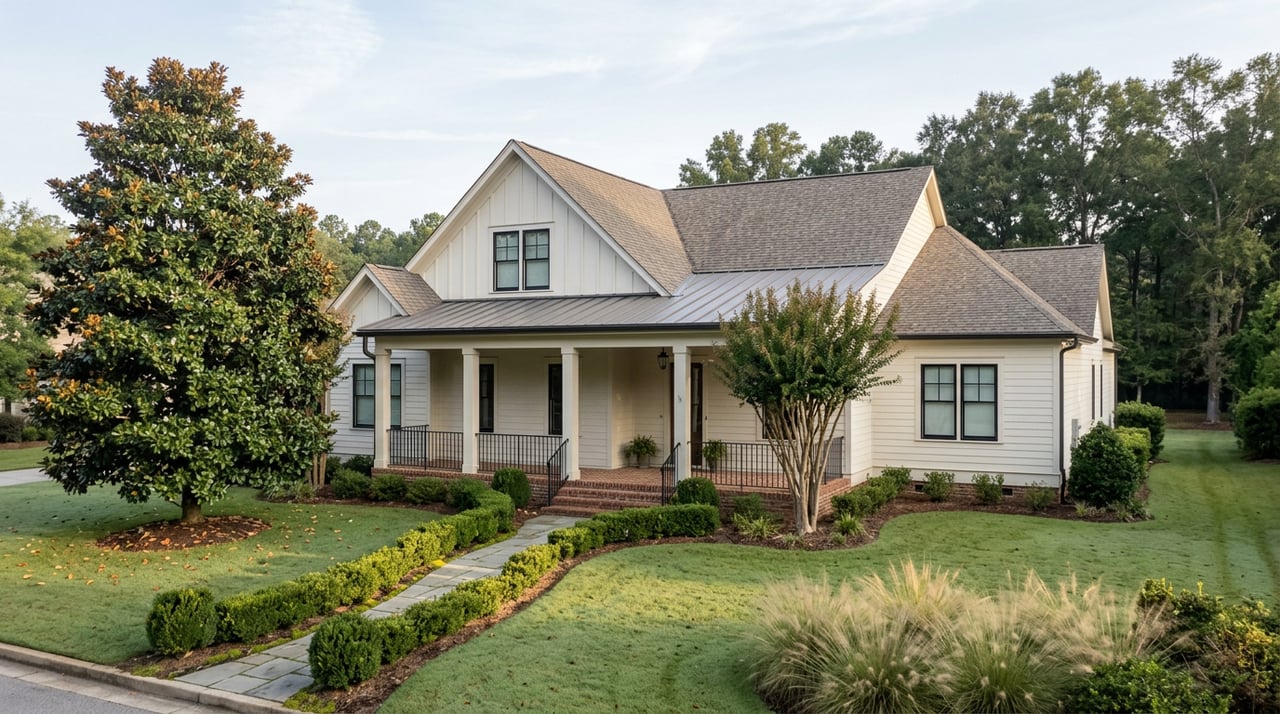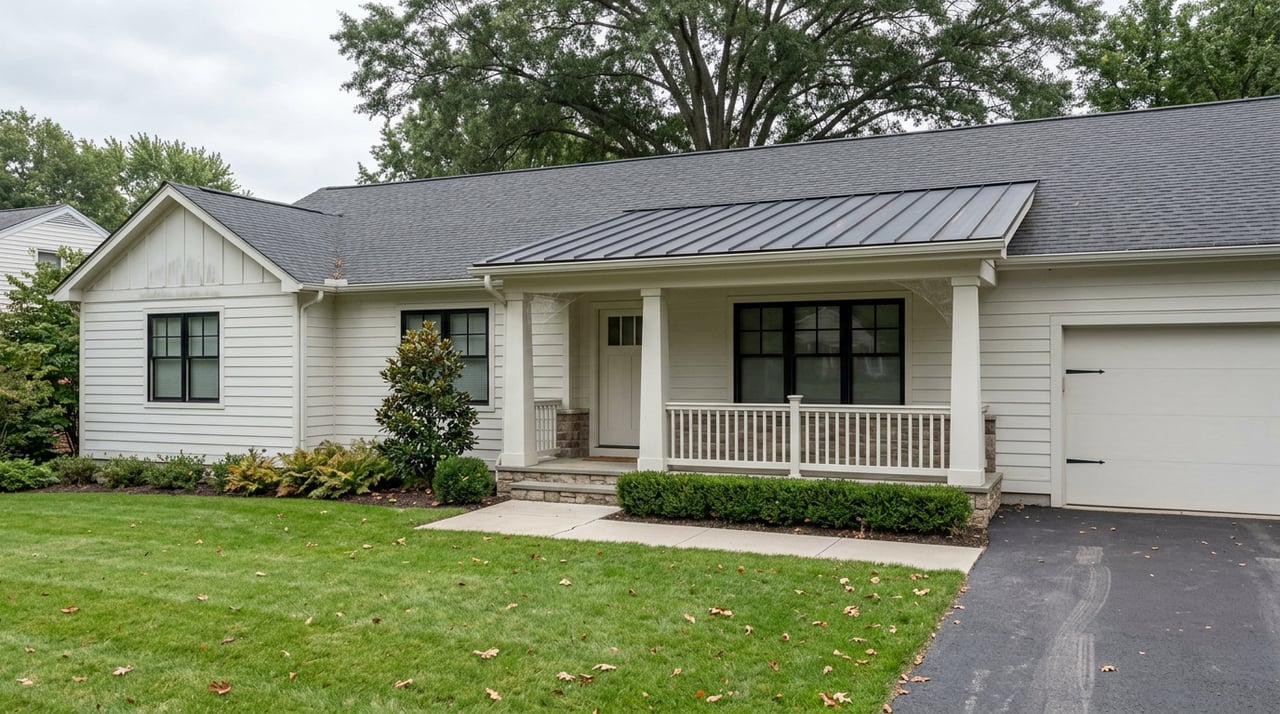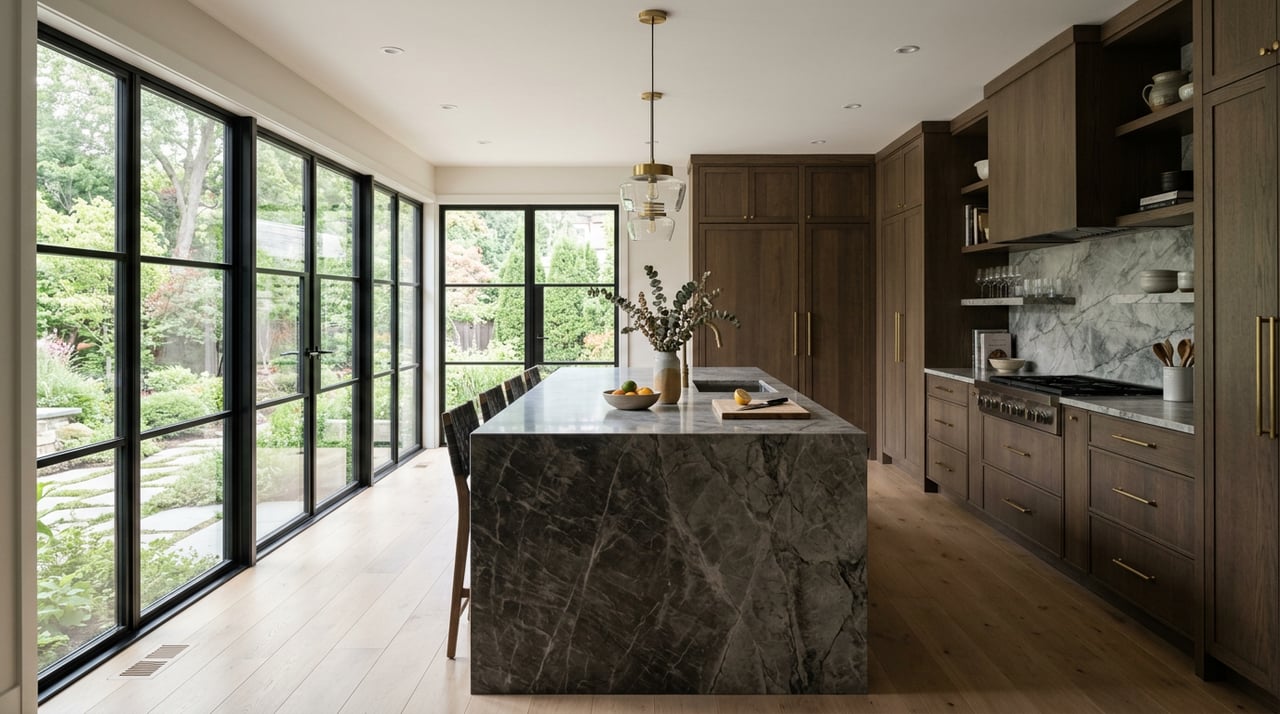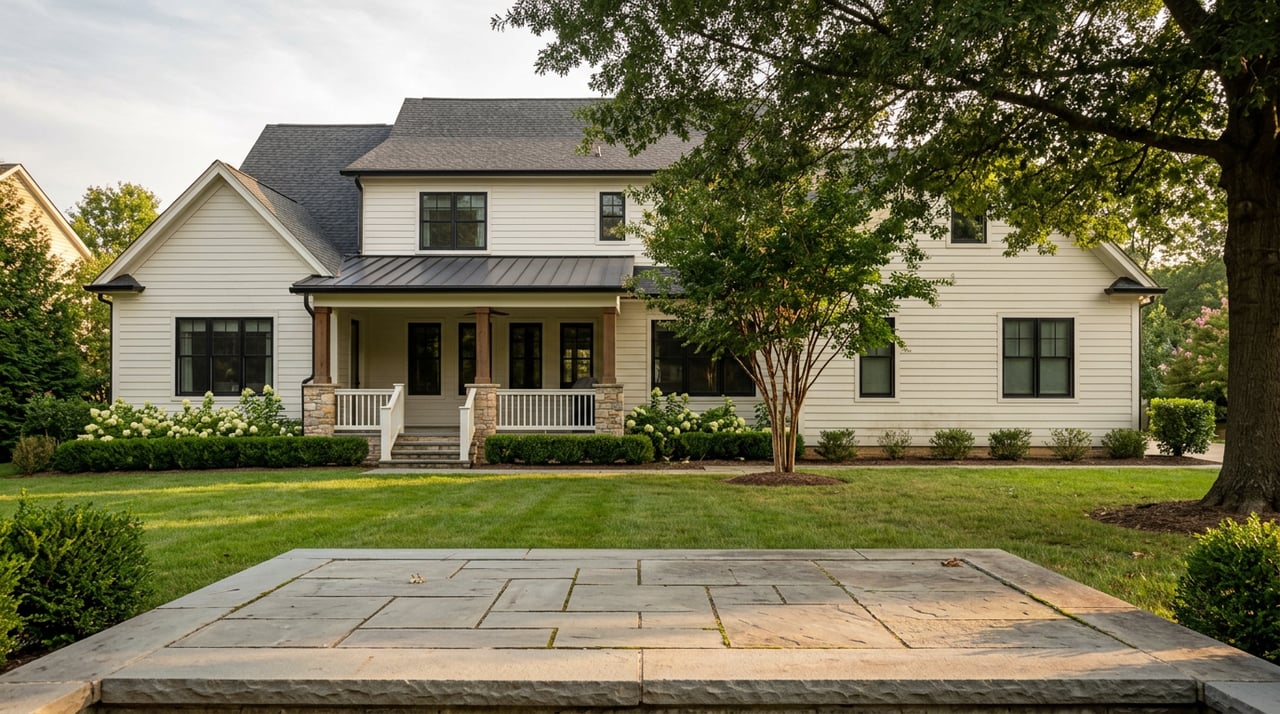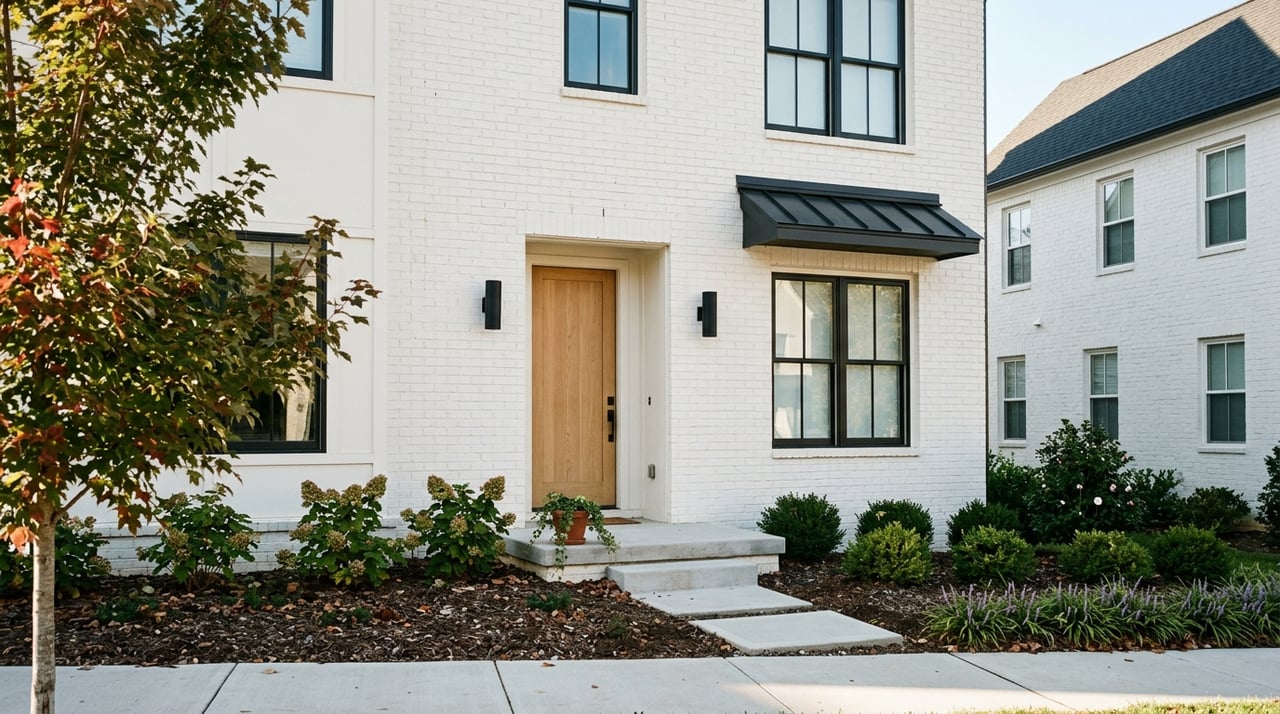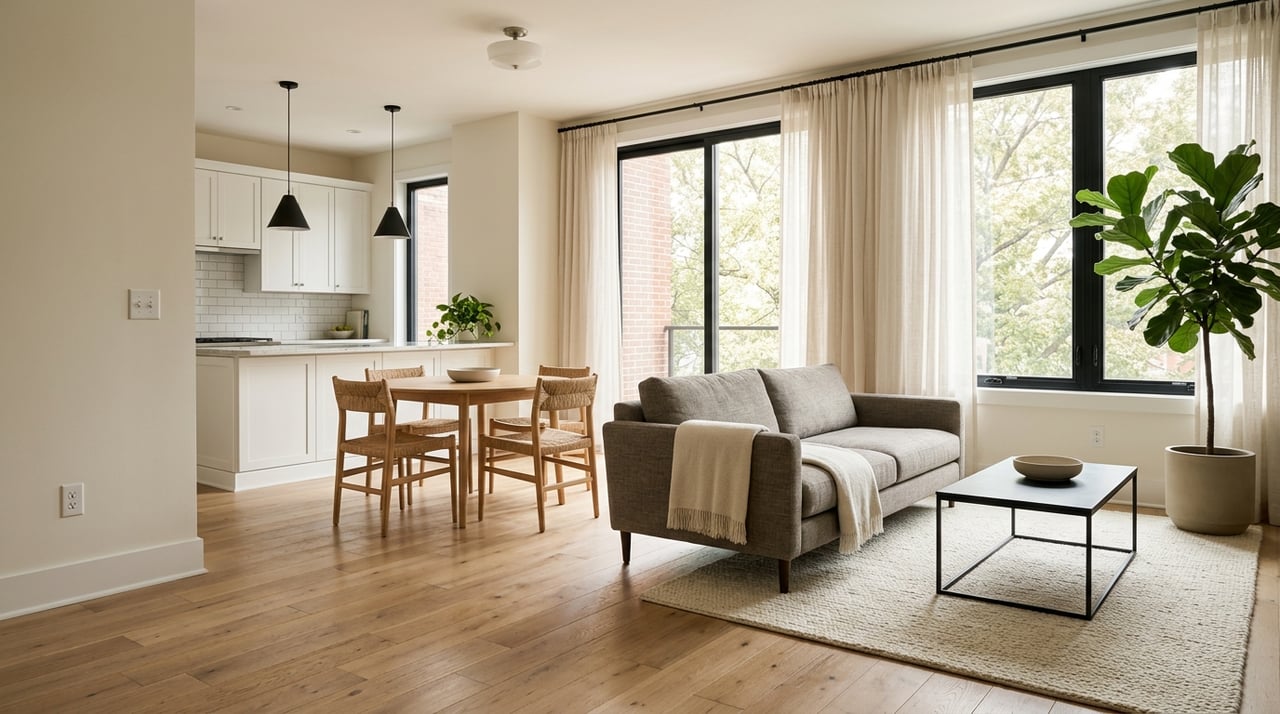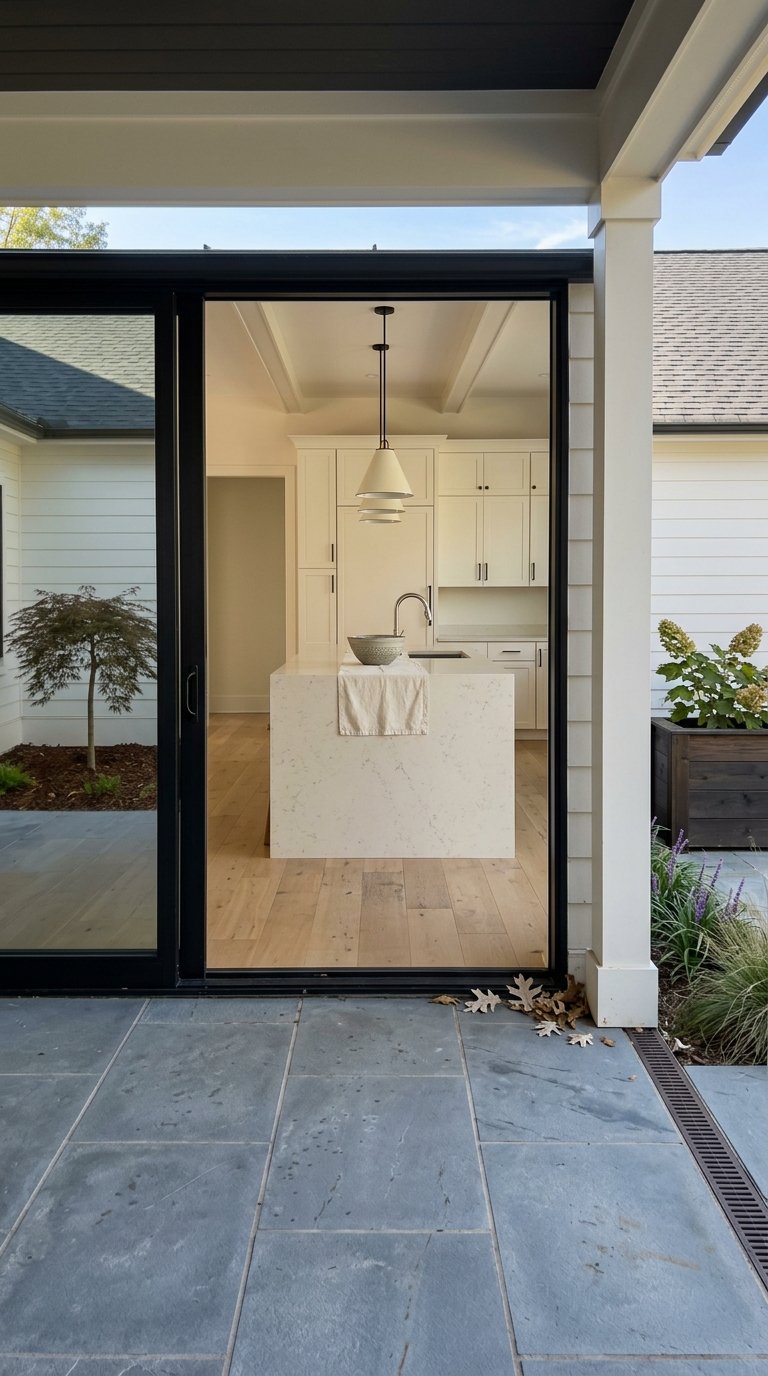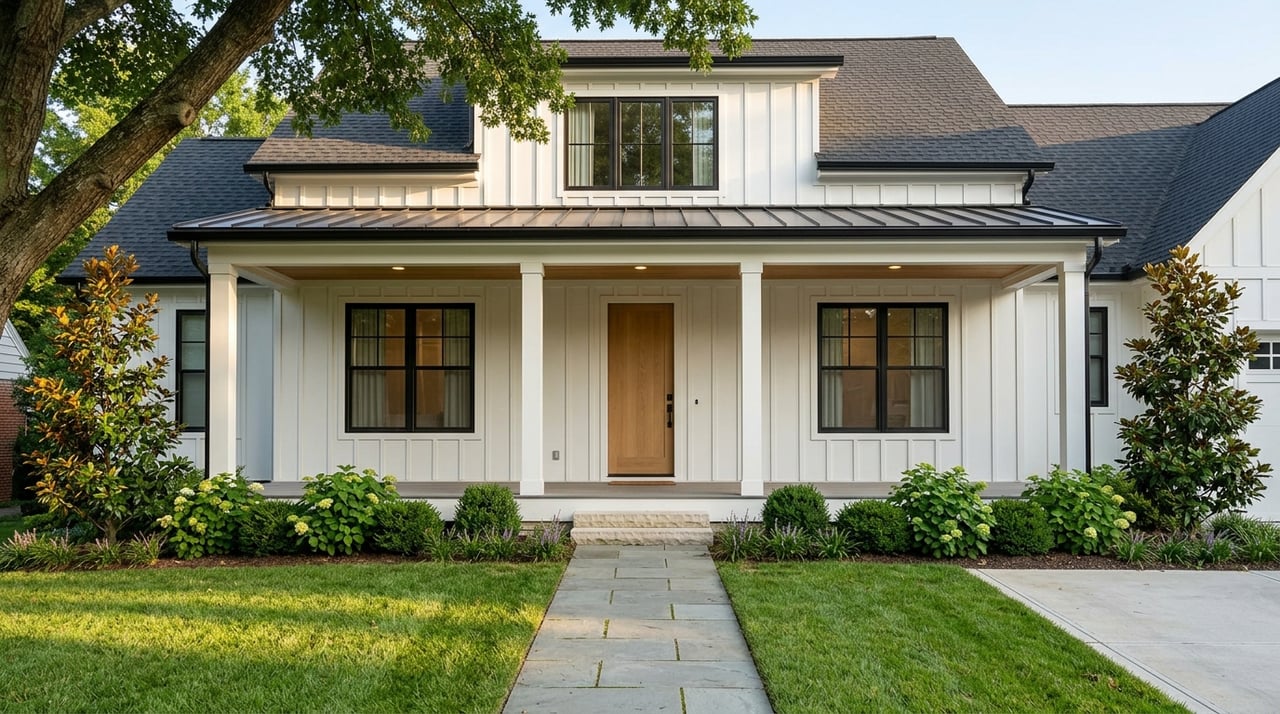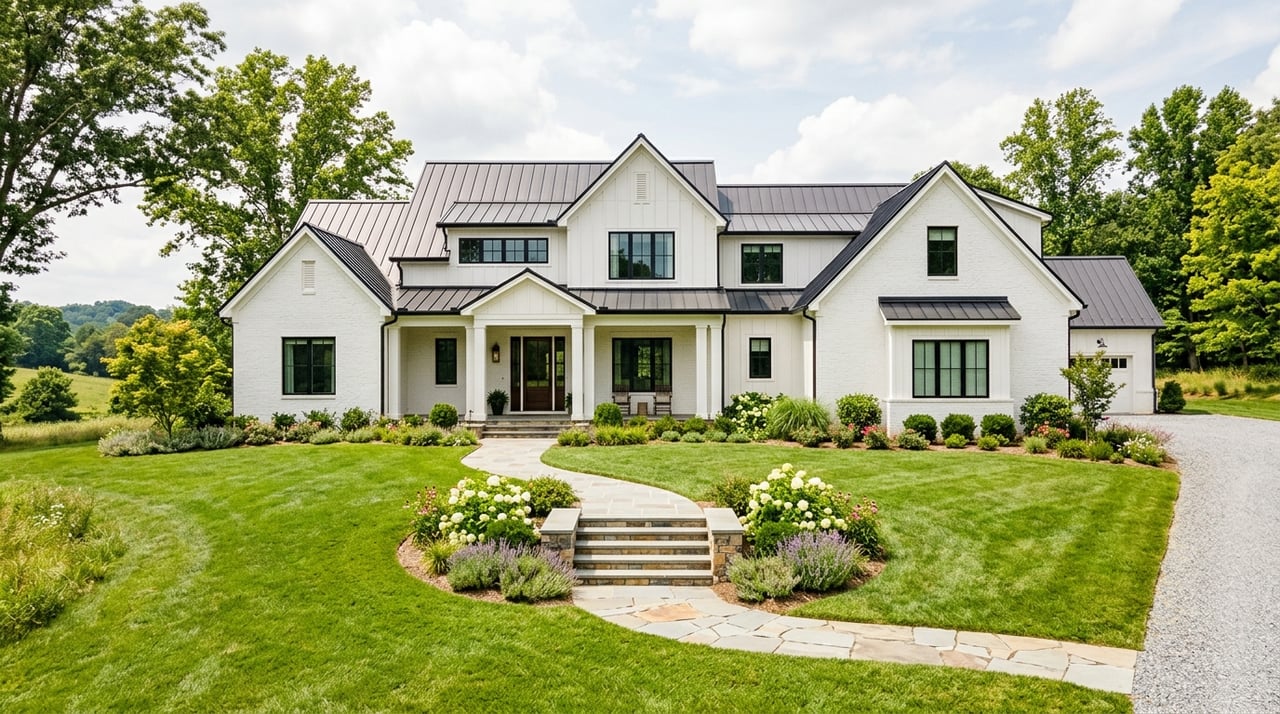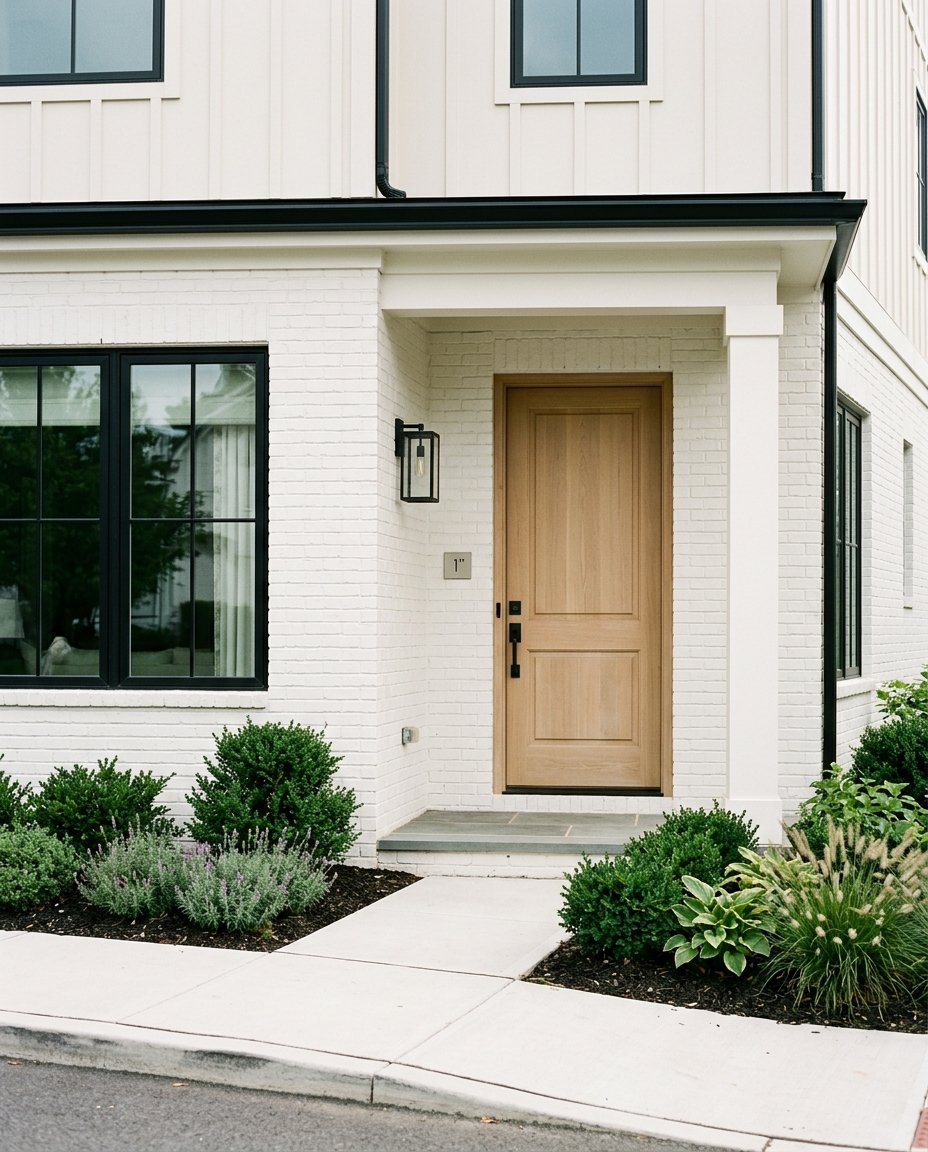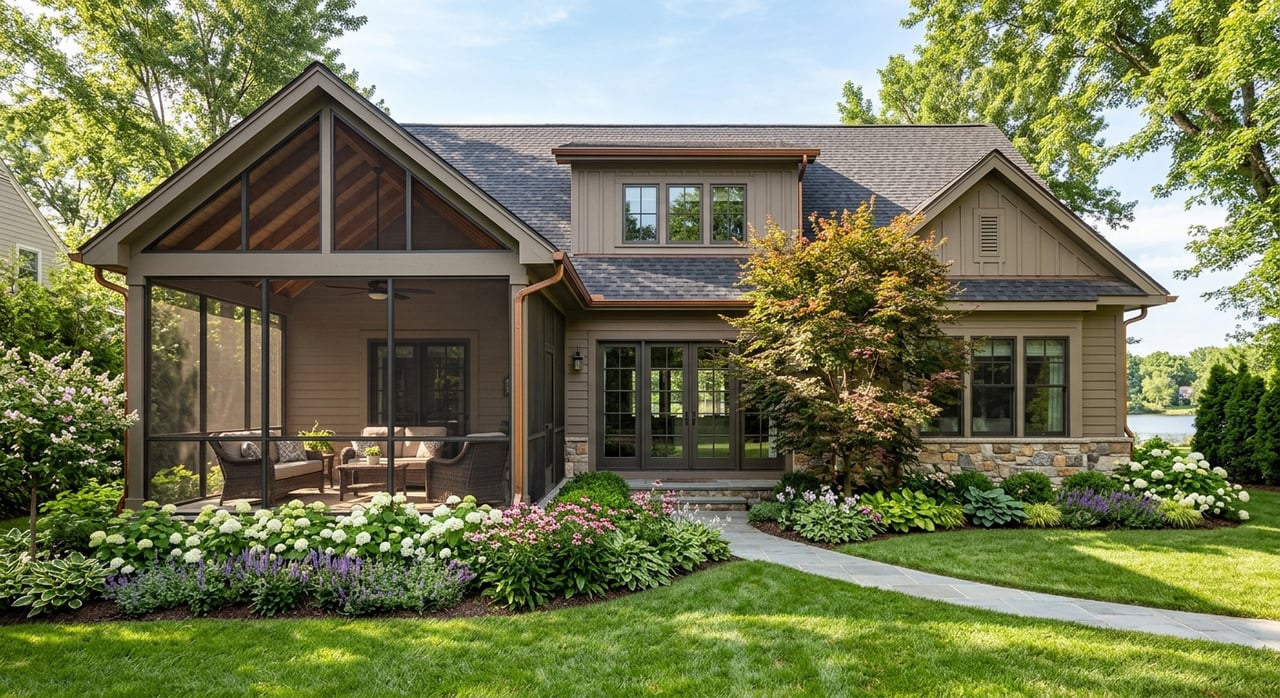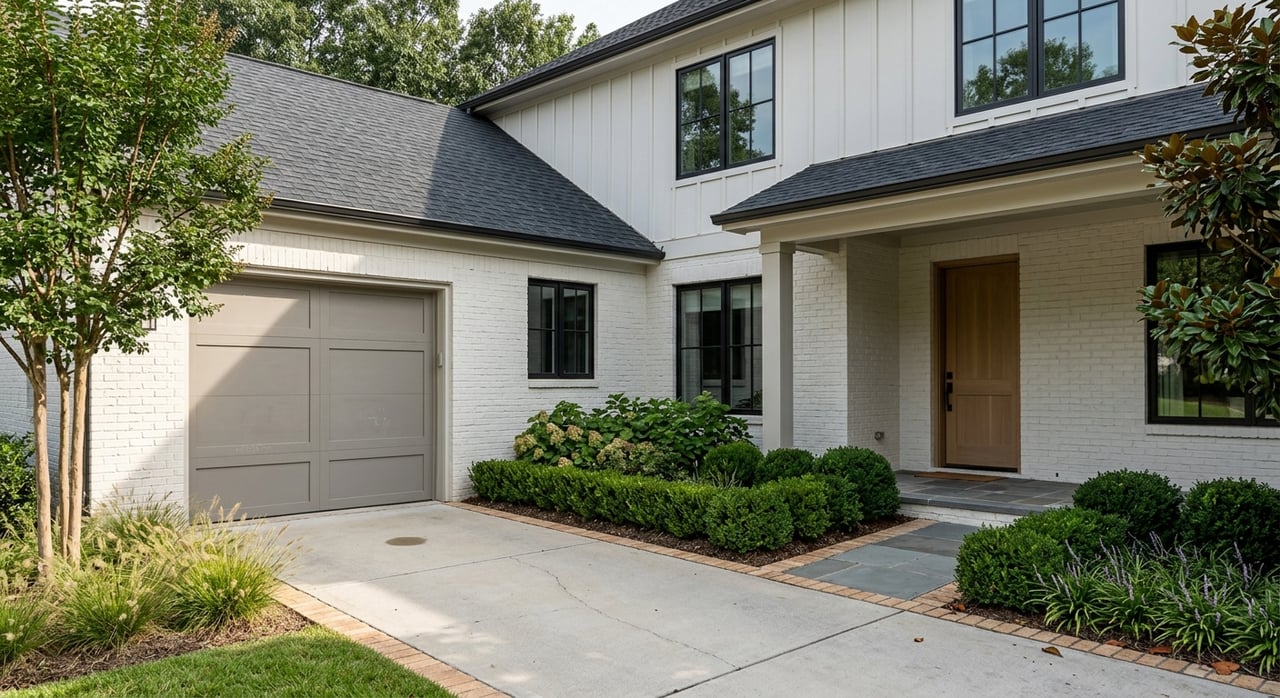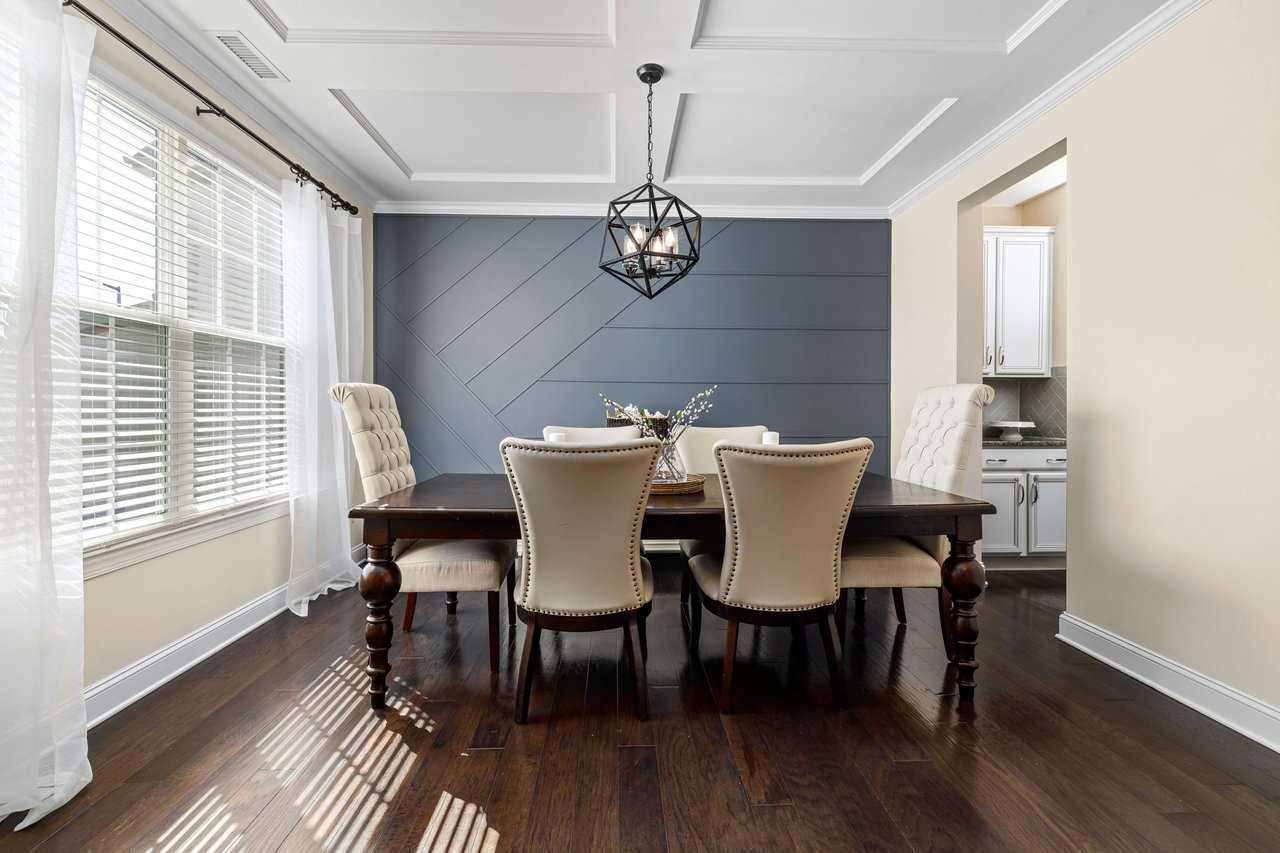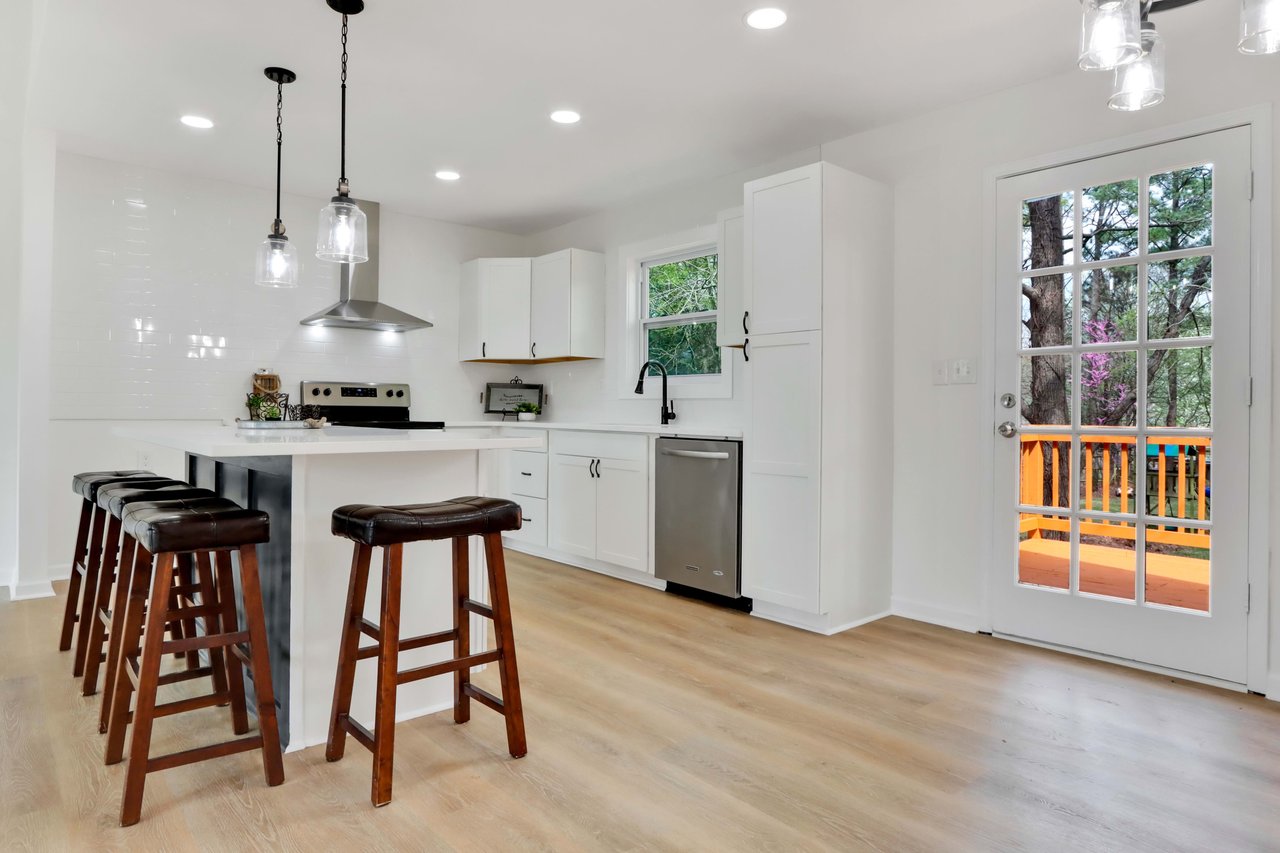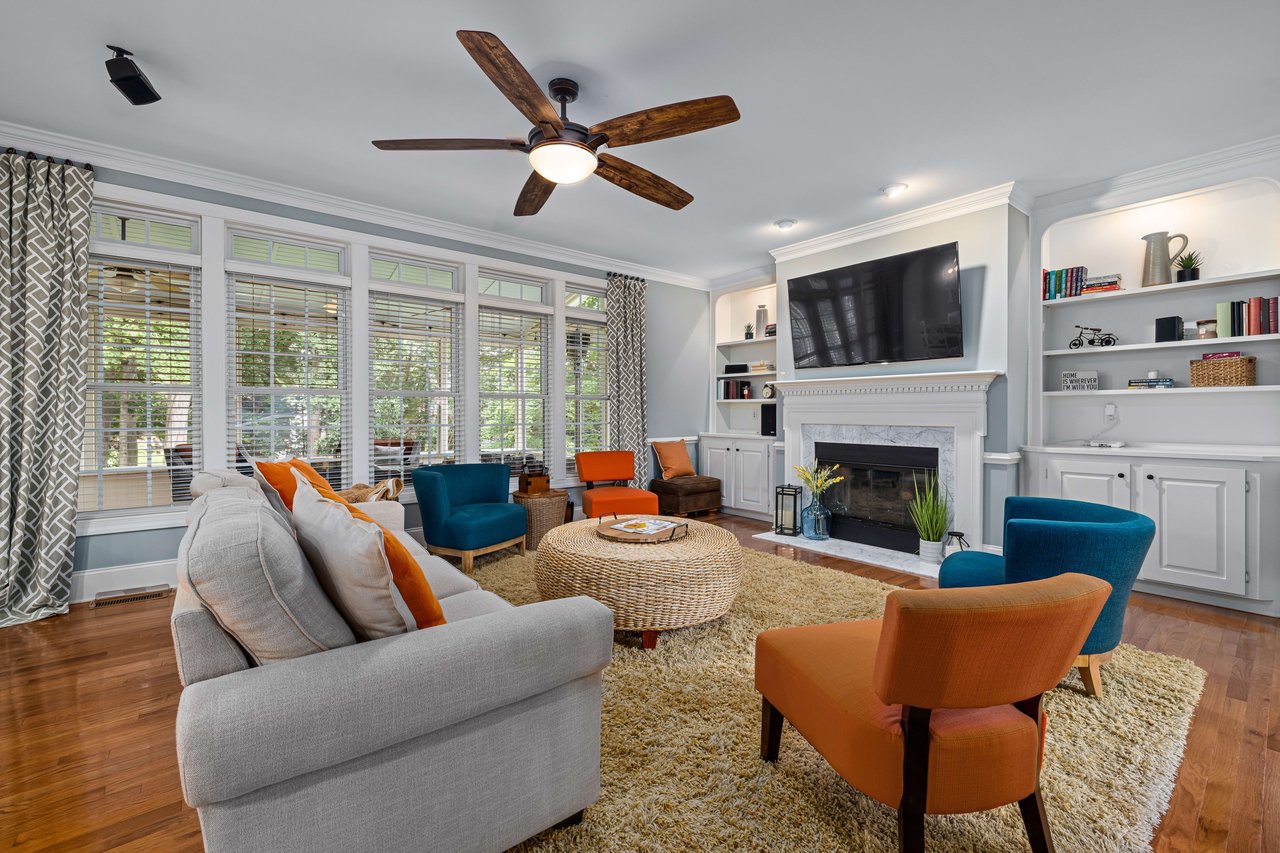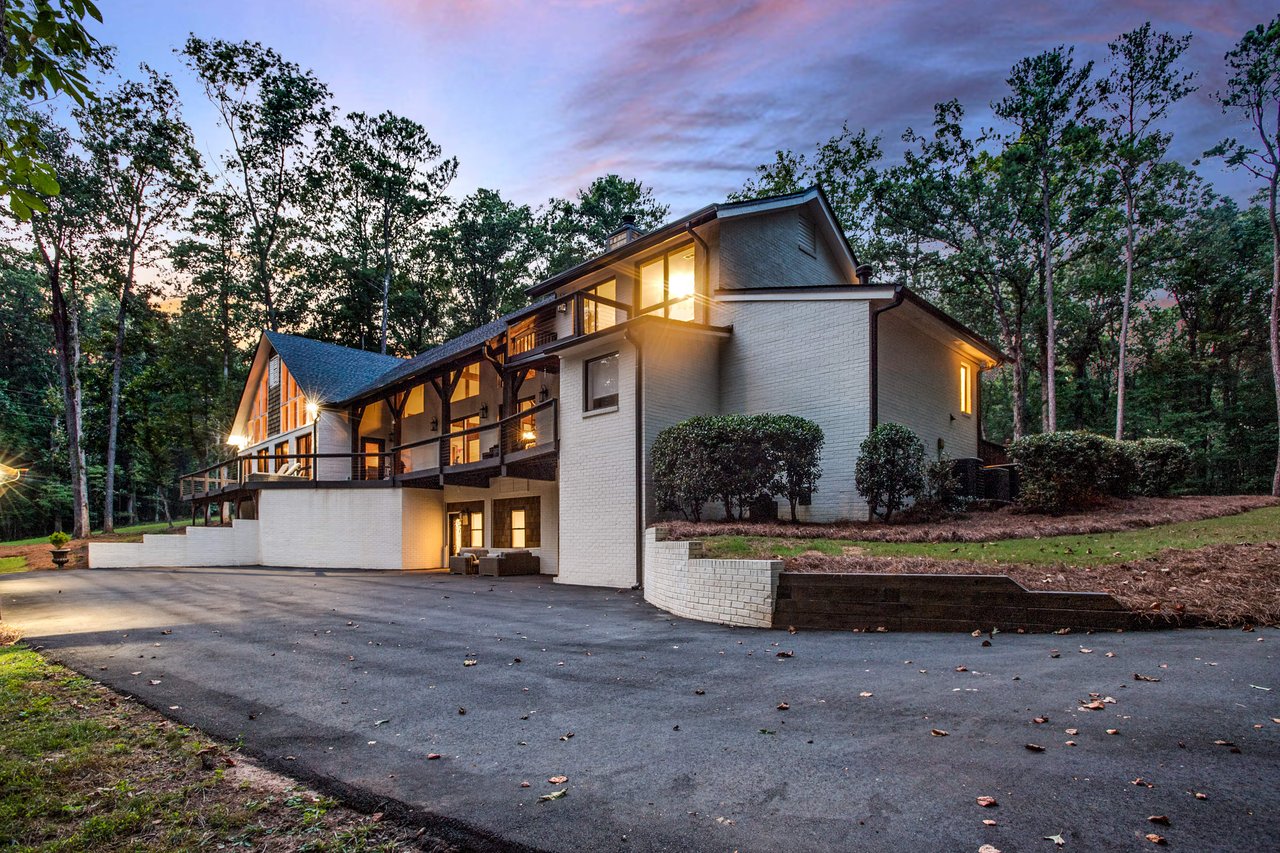
If you are thinking about flipping houses in Kennesaw, the biggest mistake is assuming the whole city behaves like one market. It does not. One neighborhood may support a polished resale in the high $400,000s, while another may need a much tighter budget and a more conservative plan.
That is why smart rehab deals in Kennesaw start with local context, not just a rough formula. When you understand pricing, days on market, permit realities, and neighborhood differences, you can make better decisions before you ever close. Let’s dive in.
Why Kennesaw draws investor attention
Kennesaw offers a mix that gets a lot of investors interested. It is a growing city in Cobb County with an estimated population of 37,970 as of July 1, 2025, up from 33,036 in the 2020 census. The city also benefits from access to I-75 and US 41 and proximity to Kennesaw State University.
That growth helps support a broader buyer pool. Census QuickFacts shows a 64.6% owner-occupied rate, a median owner-occupied home value of $335,400, median gross rent of $1,845, and median household income of $83,356. Kennesaw State University reported 51,375 students in fall 2025, which adds another layer of housing demand without limiting the market to one type of buyer.
What the Kennesaw flip market looks like
At the city level, Kennesaw looks workable but not overheated. Redfin shows a May 2026 median sale price of $360,784, about 37 days on market, and 132 homes sold in May, up from 113 a year earlier. Realtor.com also reported homes selling for about 99% of list price with a 35-day median time on market.
That matters because a balanced but active market can create opportunity for well-bought rehab projects. Kennesaw is less expensive than nearby Marietta, where the median sale price was reported at $474,716, and it moves a bit faster than Marietta as well. Compared with Acworth, Kennesaw is fairly similar in pace, which puts it in a middle band that can appeal to investors who want buyer depth without stretching into a pricier submarket.
Why neighborhood data matters more
If you flip in Kennesaw, citywide averages only get you so far. The spread between neighborhoods is wide enough that your acquisition strategy, rehab budget, and resale plan should change depending on where the property sits.
Legacy Park posted a May 2026 median sale price of $484,837, 27 days on market, and 10.2% year-over-year price growth. Bells Ferry came in at $404,614 with 45 days on market and a 3.7% year-over-year decline. Ridenour was lower at $307,397 with 66 days on market and a 9.05% year-over-year decline.
Those numbers tell a clear story. A renovation plan that makes sense in Legacy Park may be too aggressive in Ridenour. In Bells Ferry, the deal may still work, but only if you stay disciplined on finish level, pricing, and total basis.
Best places to look for flip potential
Legacy Park opportunities
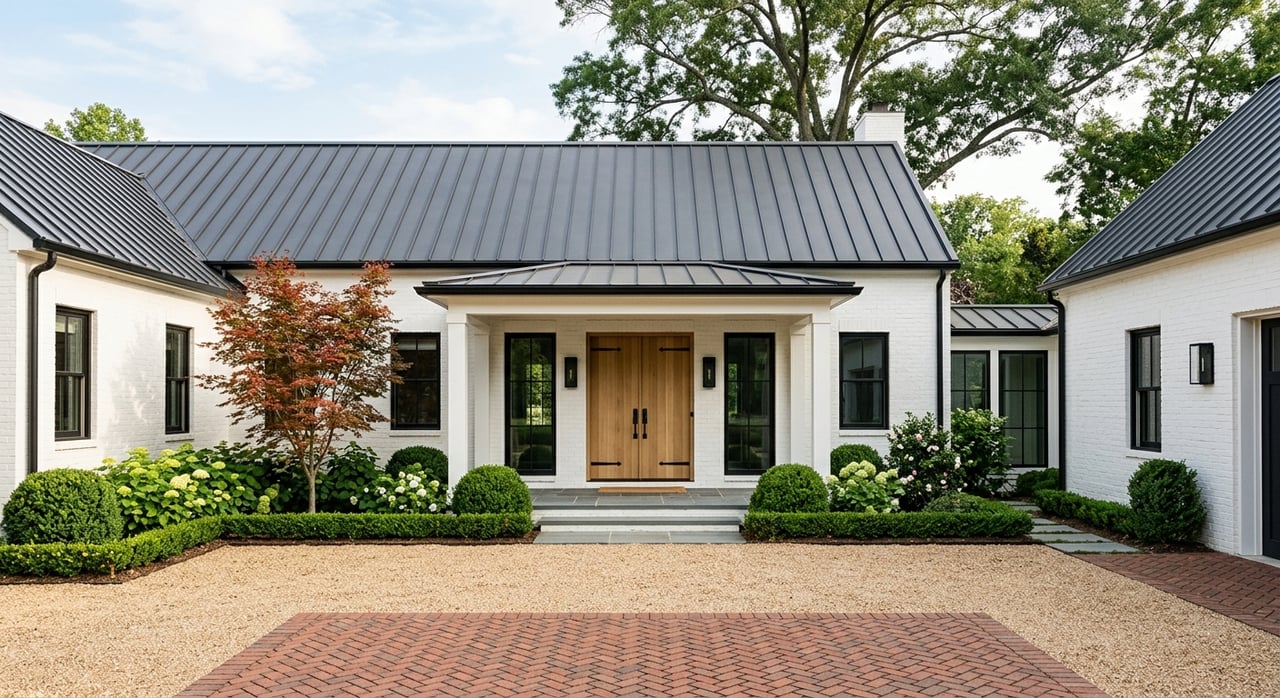
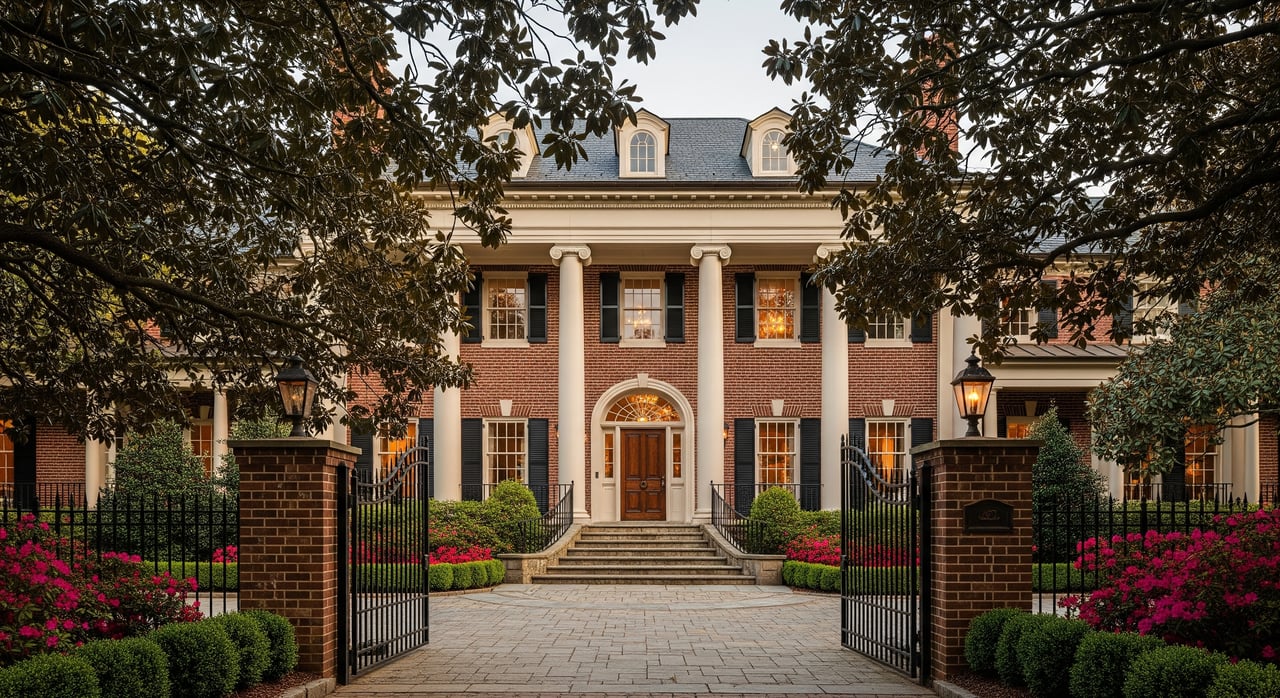
Legacy Park stands out for investors looking for stronger resale support. Higher pricing and shorter marketing times suggest that buyers there have been willing to pay more for a move-in-ready home. That creates a better setup for a well-executed cosmetic or moderate rehab if the purchase price leaves enough margin.
This does not mean every deal in Legacy Park works. It means the neighborhood has recently shown stronger exit conditions than some other parts of Kennesaw. If you overpay or overspend, even a strong submarket can punish the numbers.
Bells Ferry opportunities
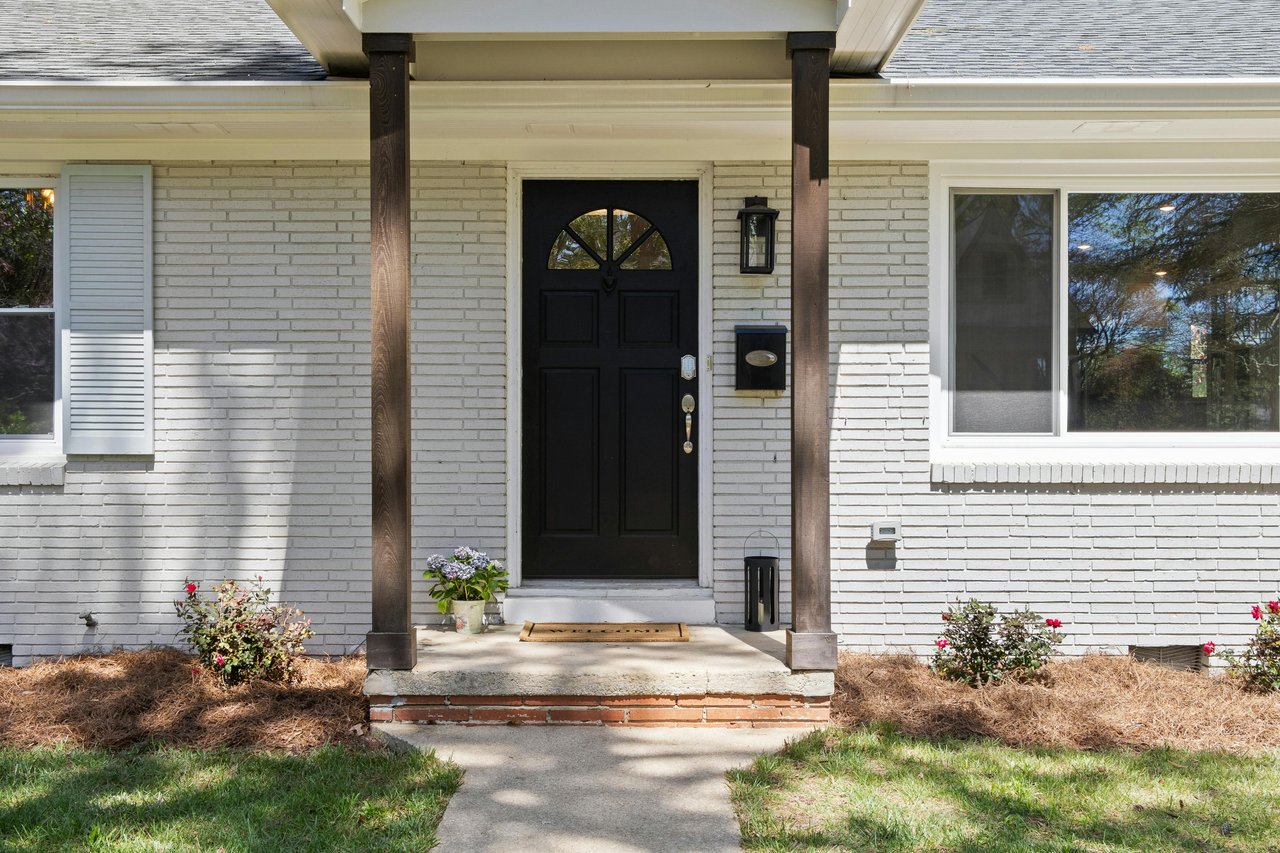
Bells Ferry sits in more of a middle tier. With a median sale price above $400,000 but longer days on market and slight year-over-year price decline, flips here usually need sharper pricing and a more practical renovation scope.
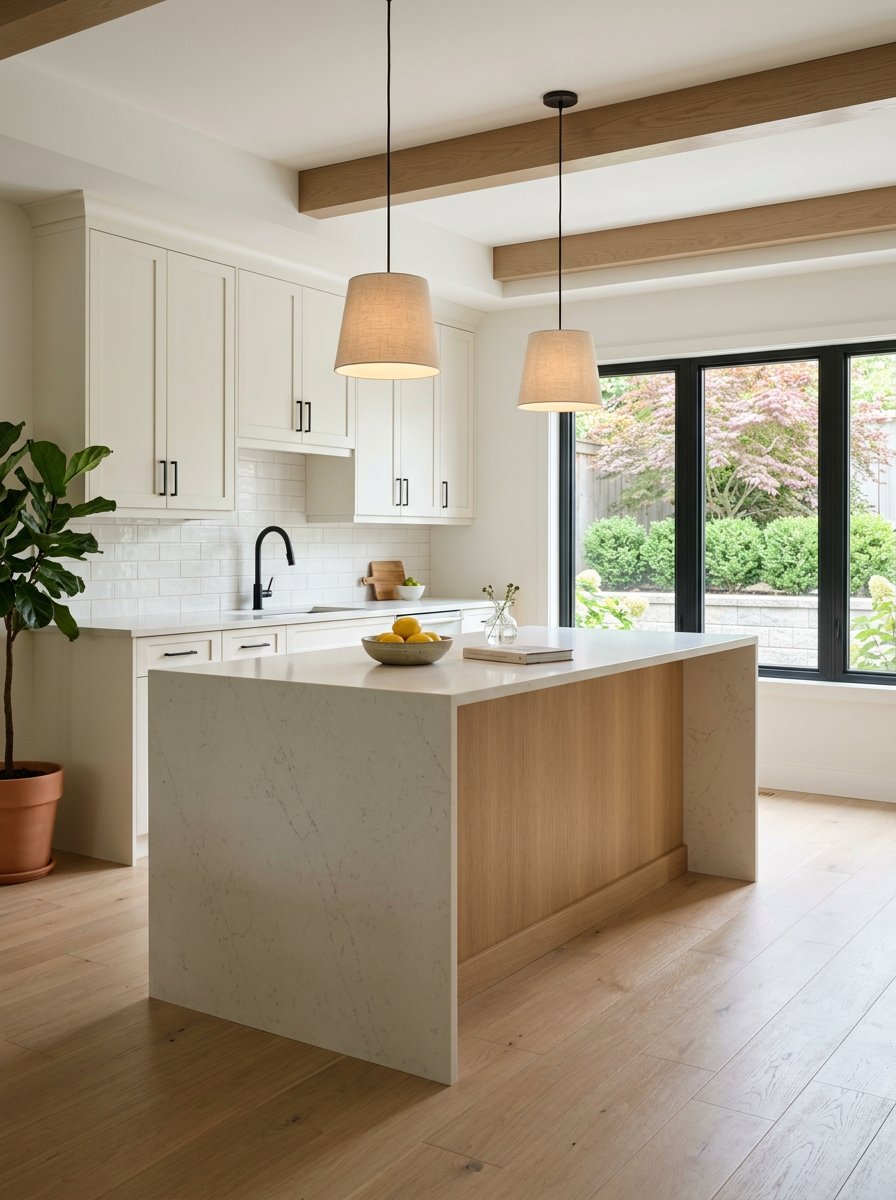
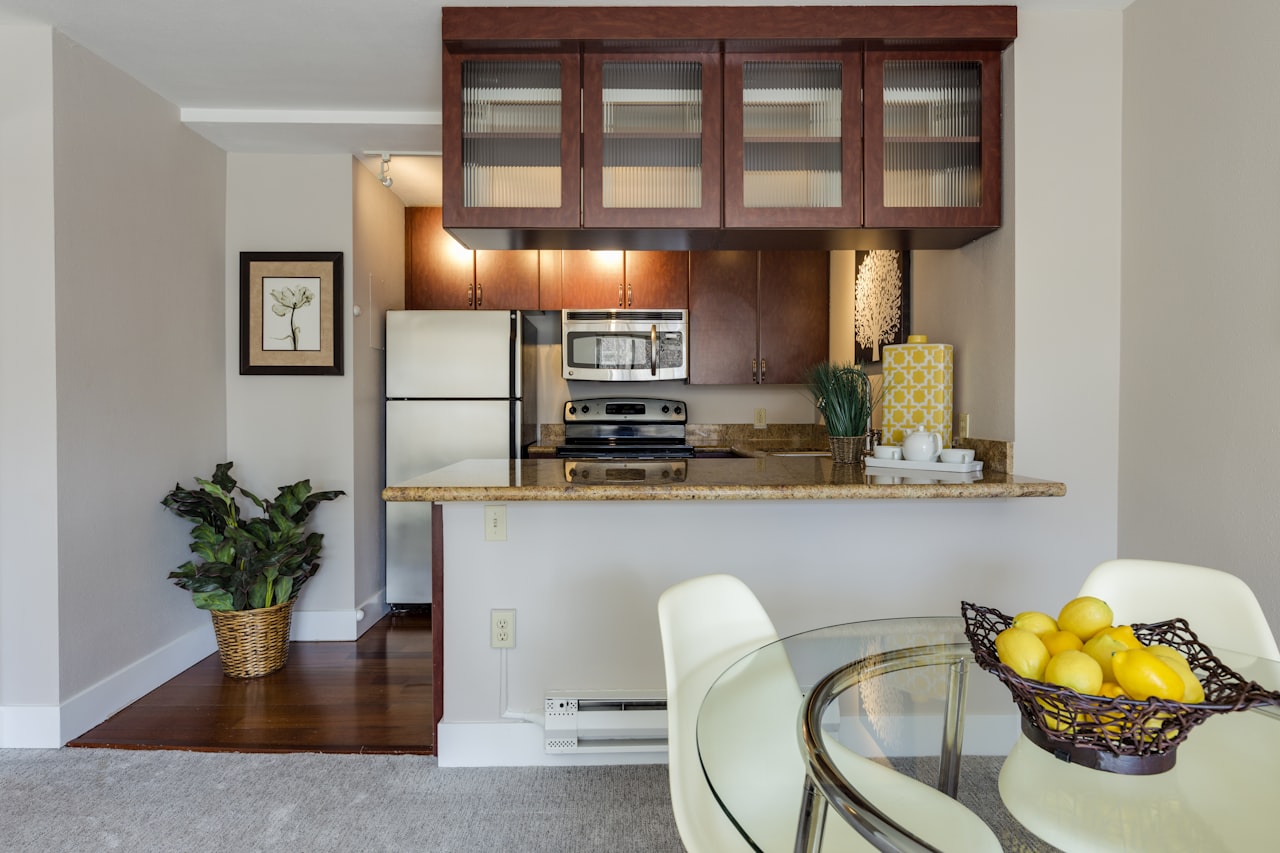
In this kind of submarket, clean execution matters. Buyers may respond well to updated kitchens, fresh paint, flooring, and improved curb appeal, but they may not reward luxury-level upgrades at the same rate as a stronger neighborhood would.
Ridenour opportunities
Ridenour calls for more caution. Lower pricing, longer days on market, and recent price decline point to a softer resale environment than the stronger-performing parts of Kennesaw.
That does not automatically rule out a flip. It does mean you likely need a wider margin of safety, a tighter rehab scope, or a backup plan if resale conditions soften during your hold period.
Downtown Kennesaw offers a different angle
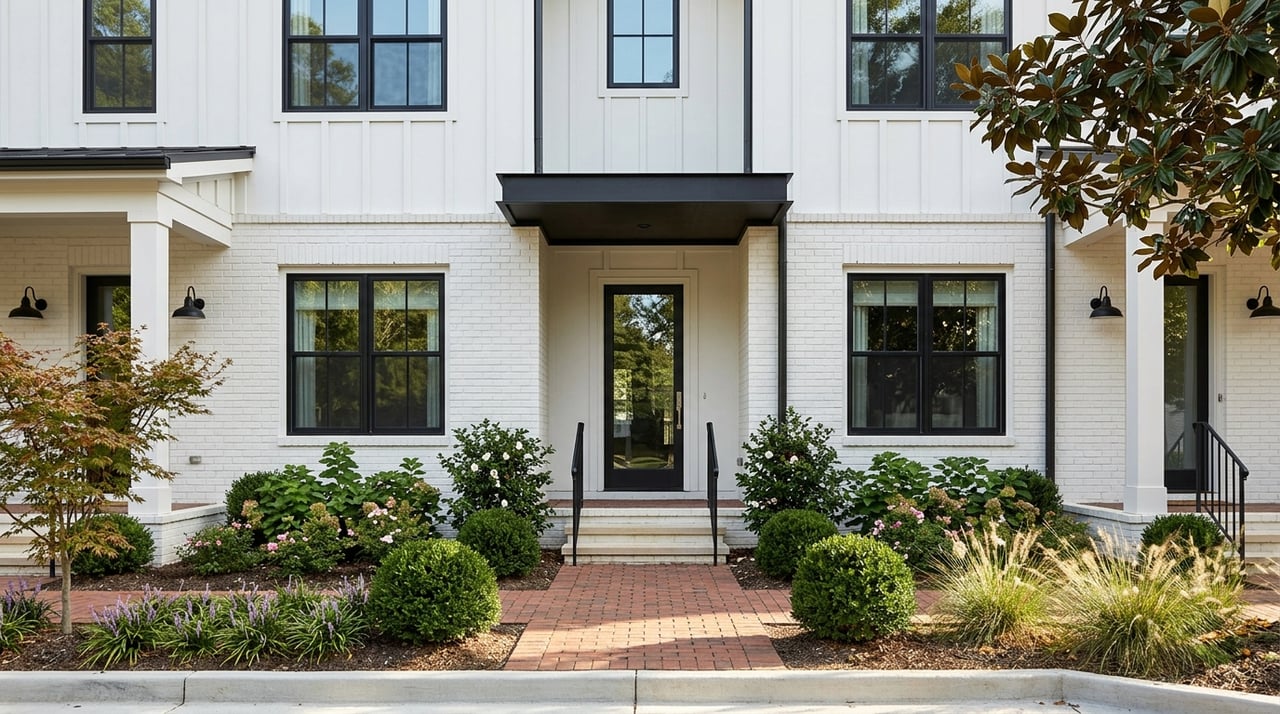
Not every Kennesaw flip is about matching the highest-value suburban comp. Downtown Kennesaw can support a different kind of resale story, especially for homes where character, location, and local identity help drive appeal.
The downtown district traces its story to the city’s 1887 incorporation and today includes restaurants, shops, attractions, festivals, the farmers market, seasonal concerts, and an entertainment district designation. For homes near downtown, buyers may respond to historic charm and walkability just as much as square footage or a long list of finishes.
That can be useful when shaping your rehab plan. Instead of forcing a generic update package, you may get better results by preserving the property’s feel while improving function and presentation.
Match the rehab to the submarket
A smart flip is not just a good buy. It is a rehab plan that fits what buyers in that specific part of Kennesaw are already paying for.
In stronger submarkets, a faster-turning move-in-ready style flip may be the most defensible approach. In middle-tier areas, conservative cosmetic rehabs often make more sense because buyers can be more price sensitive. In slower-turning neighborhoods, the safest path may be a lighter scope or a deal structure that leaves room for a rental hold if needed.
A simple way to think about scope
| Submarket type | Typical approach | Key risk |
|---|---|---|
| Stronger areas like Legacy Park | Move-in-ready finish level with solid design choices | Over-improving beyond local comps |
| Middle-tier areas like Bells Ferry | Cosmetic updates and tight pricing discipline | Spending too much for the resale band |
| Slower areas like Ridenour | Conservative basis and narrower scope | Longer hold time and softer resale demand |
Permits can change your timeline fast
In Kennesaw, the renovation plan is not just about design and budget. It is also about what the city requires before and during construction.
Kennesaw’s Building Services department enforces Georgia State Minimum Standard Codes, and permits must be applied for online. Inspections are also scheduled through the city’s portal. The city advises owners to call if they are unsure whether a permit is needed or whether a property is within city limits.
For current rehab work, the city lists new mandatory codes effective January 1, 2026, including the 2024 International Residential Code, International Building Code, Plumbing Code, Mechanical Code, Fuel Gas Code, Fire Code, Property Maintenance Code, and Existing Building Code, plus Georgia amendments to the 2023 NEC. The city also notes water conservation rules that took effect January 1, 2024 for new fixtures such as faucets, toilets, and landscape irrigation systems.
Know when a rehab becomes a permit-heavy project
Some projects stay fairly straightforward. Others can become more complicated the moment you move beyond surface-level updates.
A simple paint-and-floor refresh may move faster than a project involving plumbing, electrical, windows, structural work, or exterior site changes. If your scope includes grading, drainage work, additions, retaining walls, or similar site work, the city says a site review is required before a land disturbance permit is issued.
That is why smart investors separate cosmetic work from jurisdictional work early. Your budget is one thing. Your timeline, inspection sequencing, and approval path are often what determine whether the deal actually performs.
Historic district rules need extra attention
Older properties can be appealing flip candidates, especially near downtown. But in Kennesaw, historic properties bring added review steps that can affect your schedule and design choices.
The city’s Historic Preservation Commission reviews applications involving changes to exterior architectural appearance or exterior environmental appearance within historic districts. The city also posts Historic Preservation Commission design standards that were last updated on April 30, 2025.
Downtown Kennesaw also states that signs and structural changes require zoning approval before construction begins. So if your business plan depends on façade changes, exterior material swaps, or visible site work, you need to account for more than a standard suburban cosmetic rehab timeline.
Smart ways to evaluate a Kennesaw flip
Before you commit to a deal, it helps to pressure-test it from several angles. In Kennesaw, the strongest flips usually share a few common traits.
- The purchase price leaves enough room for a neighborhood-specific after-repair value
- The renovation scope matches the local comp set
- The projected hold time includes permit and inspection reality
- Exterior or site changes are reviewed for historic or zoning issues early
- The exit price reflects neighborhood pace, not just citywide averages
You should also think about who the likely buyer will be. Kennesaw’s growth, commuting access, owner-occupancy rate, and university proximity all point to a broad market, but demand is not uniform from one property type or location to another.
Why local guidance matters
In a market like Kennesaw, small misreads can get expensive. A rehab that is too ambitious for the neighborhood, a missed approval step, or an optimistic exit price can shrink your margin quickly.
That is where local, data-driven guidance matters. When you have a team that understands neighborhood pricing, design choices that support resale, and the different sale paths available if the original plan changes, you can move with more confidence and less guesswork.
If you are exploring a flip, pre-sale renovation strategy, or a fast as-is sale in Kennesaw, Amy Pedersen can help you evaluate the numbers, the neighborhood, and the best path forward for your goals.
FAQs
What makes Kennesaw a good market for house flipping?
- Kennesaw offers population growth, broad buyer demand, a May 2026 median sale price of $360,784, and roughly 35 to 37 days on market, which suggests a workable market for disciplined rehab projects.
Which Kennesaw neighborhoods look strongest for flip resales?
- Based on the reported May 2026 data, Legacy Park shows stronger resale signals with a median sale price of $484,837, 27 days on market, and 10.2% year-over-year price growth.
Does neighborhood choice matter when flipping in Kennesaw?
- Yes. Legacy Park, Bells Ferry, and Ridenour show very different price points, days on market, and recent trends, so your rehab scope and pricing strategy should change by neighborhood.
Do you need permits for rehab work in Kennesaw?
- Kennesaw requires permits to be applied for online and inspections to be scheduled through the city portal, and permit needs can expand quickly if your project includes plumbing, electrical, structural, window, or site work.
Are historic homes in Kennesaw harder to renovate for a flip?
- They can be. Exterior changes within historic districts are reviewed by the Historic Preservation Commission, and some downtown structural changes require zoning approval before work begins.
How should you budget a flip in Kennesaw?
- A smart budget should reflect neighborhood-specific resale value, realistic days on market, permit lead time, inspection sequencing, and potential code-related updates such as fixture requirements.