Trying to choose between Sandy Springs and Dunwoody can feel like splitting hairs. The two cities sit side by side around Atlanta’s Perimeter, yet the lifestyle and housing options feel different once you zoom in. You want clarity on neighborhoods, commute, costs, and amenities before you commit. This guide breaks it all down so you can focus your search with confidence. Let’s dive in.
Location and context
Both cities anchor the I‑285 and GA‑400 corridors and share the Perimeter Center job hub. The area’s major employers and retail core make it one of Metro Atlanta’s most connected places. For a high‑level snapshot of each city’s population and household makeup, explore the U.S. Census Bureau’s QuickFacts.
Dunwoody is an incorporated city in DeKalb County on the northeast side of the Perimeter. Sandy Springs is an incorporated city in Fulton County to the west and southwest of Dunwoody. Because they are adjacent, your commute and day‑to‑day routine often come down to micro‑neighborhood choices rather than a big city‑to‑city divide. The Perimeter Community Improvement District highlights how employers, mobility, and redevelopment link these areas.
Housing and neighborhoods
Dunwoody housing snapshot
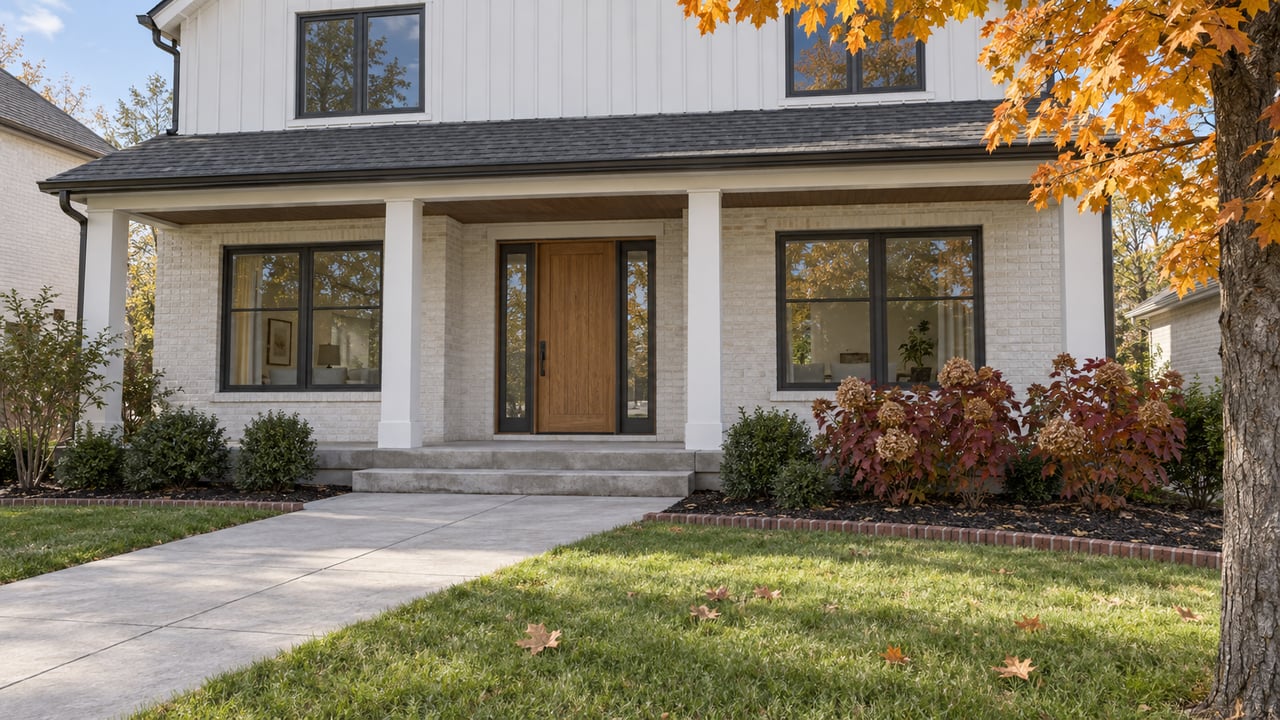
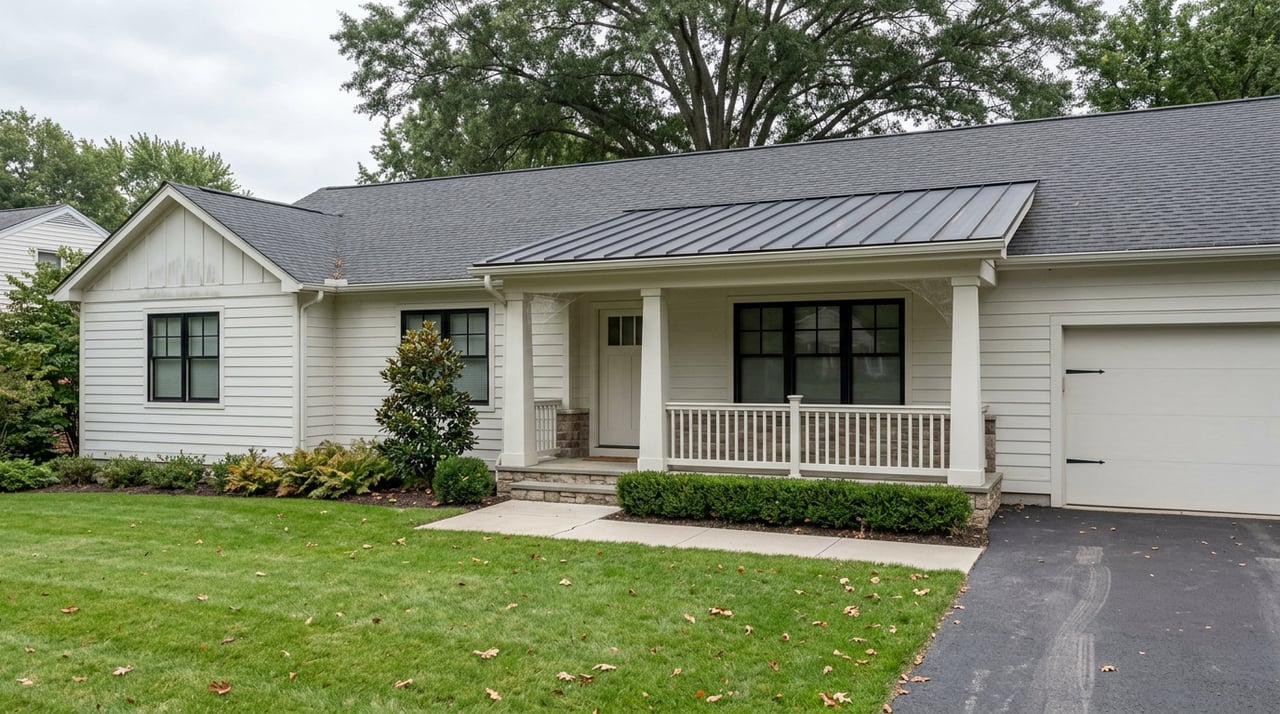
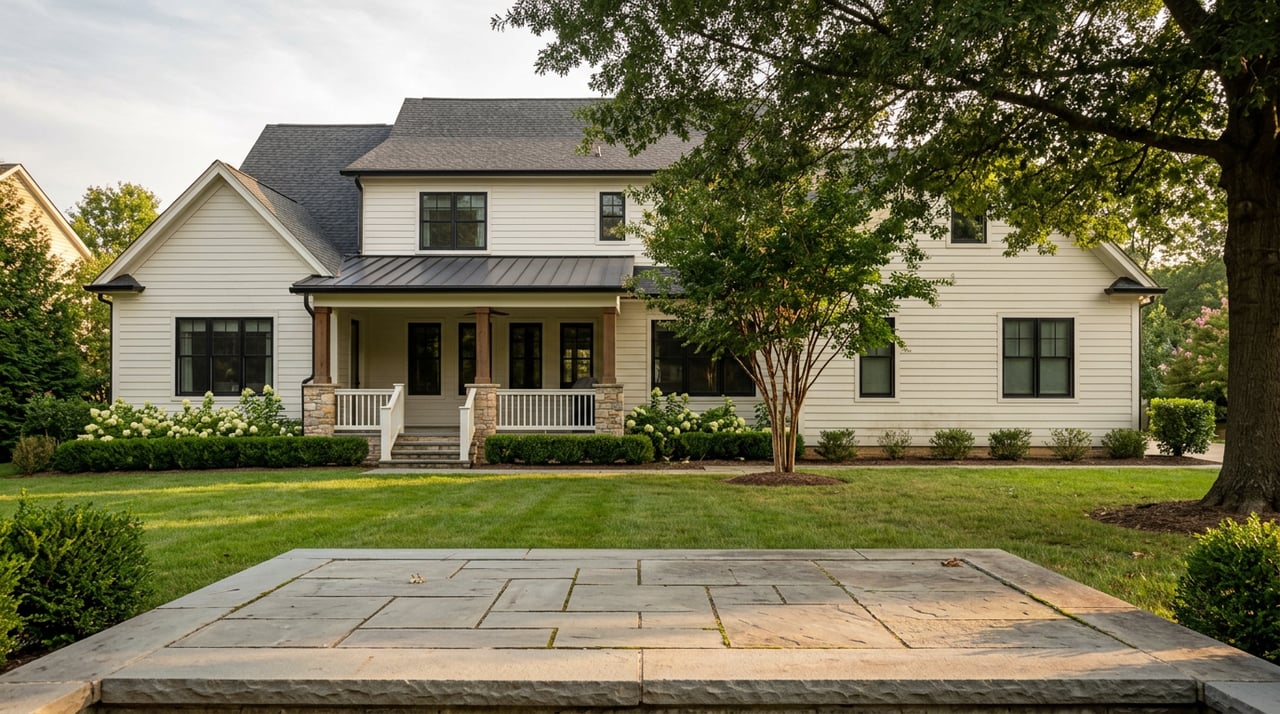
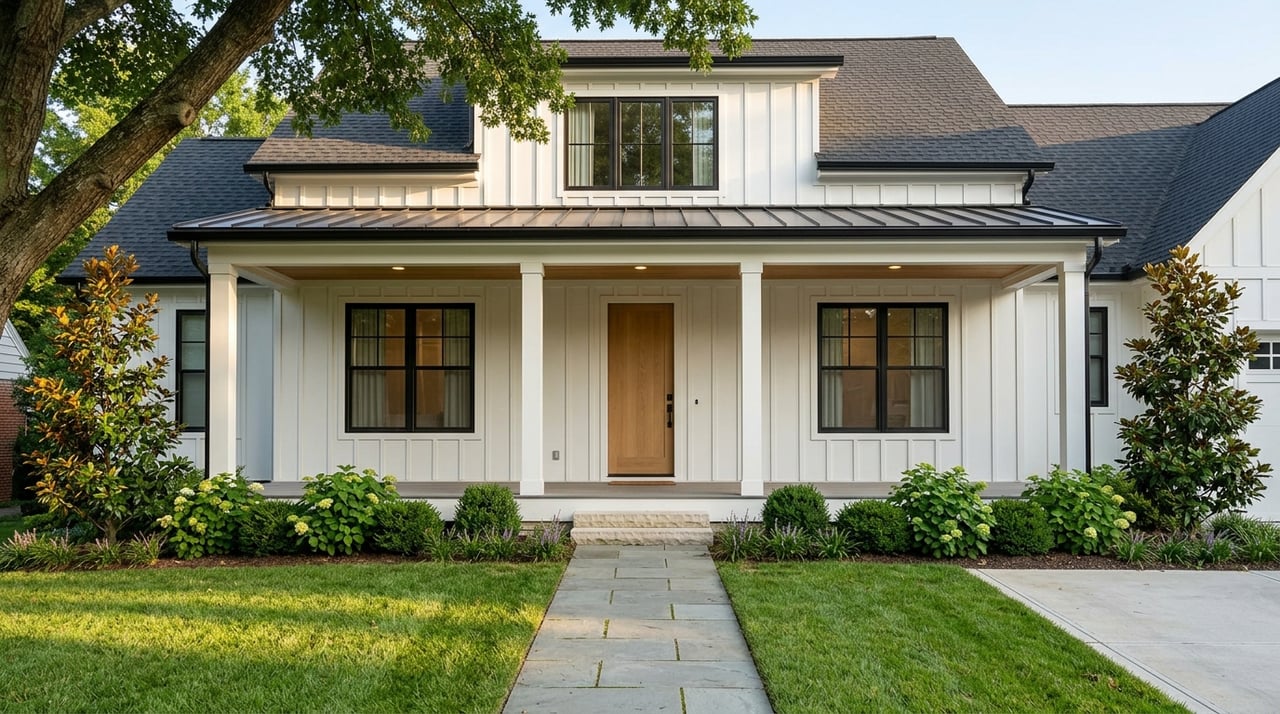
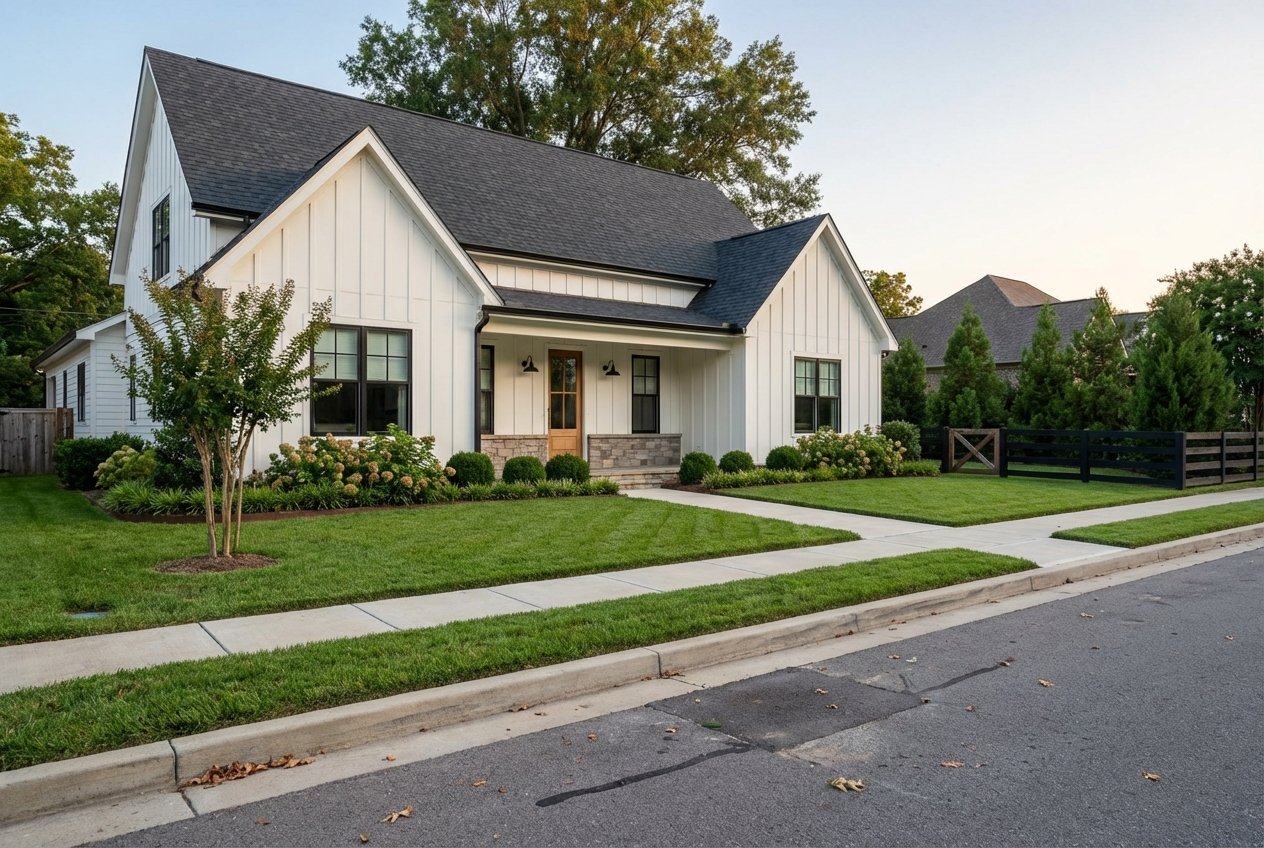
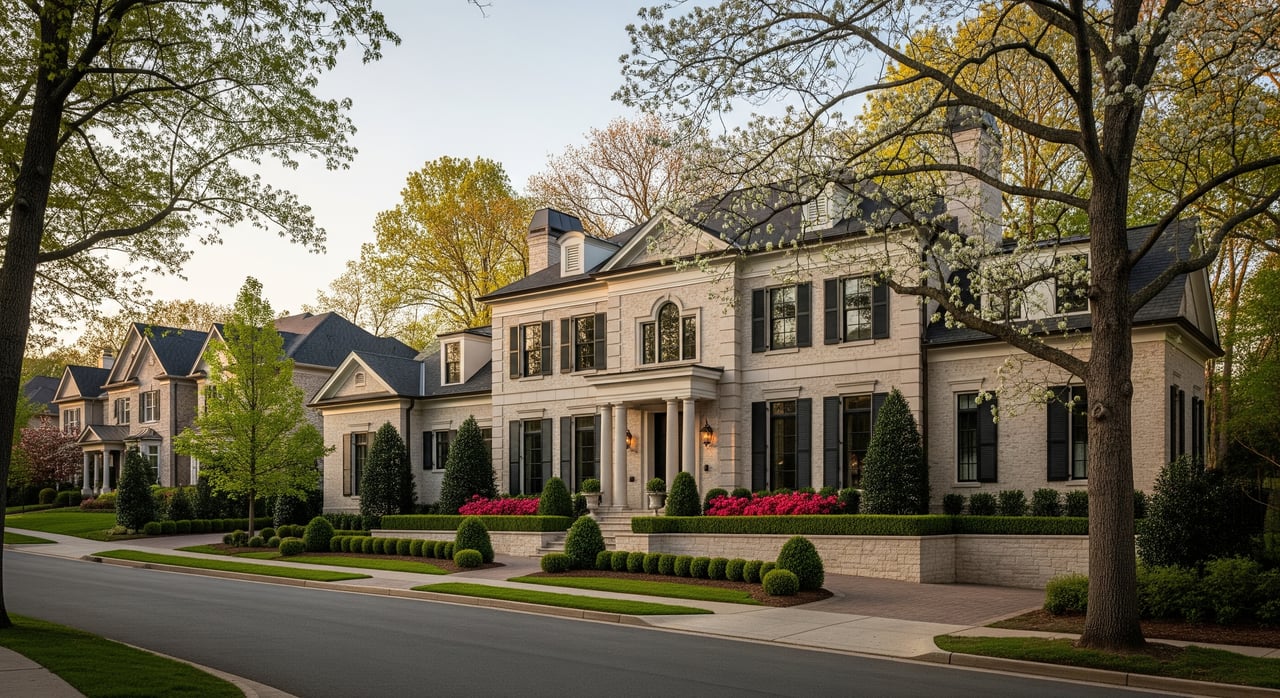
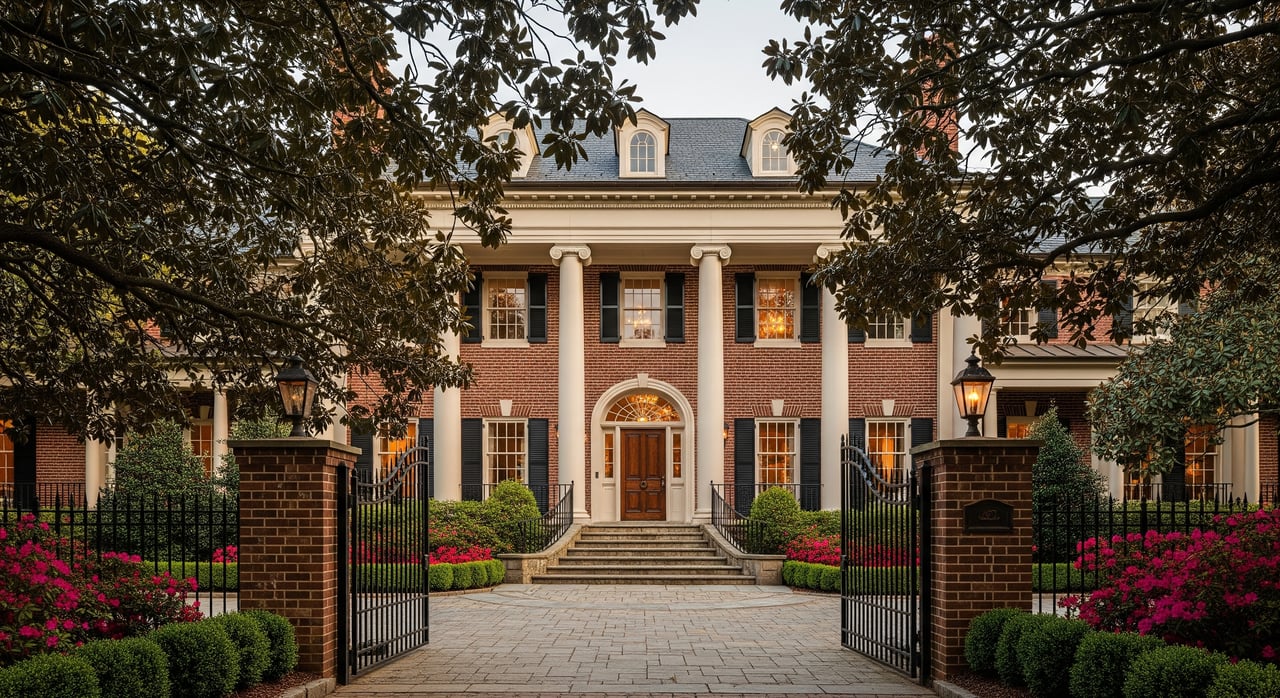
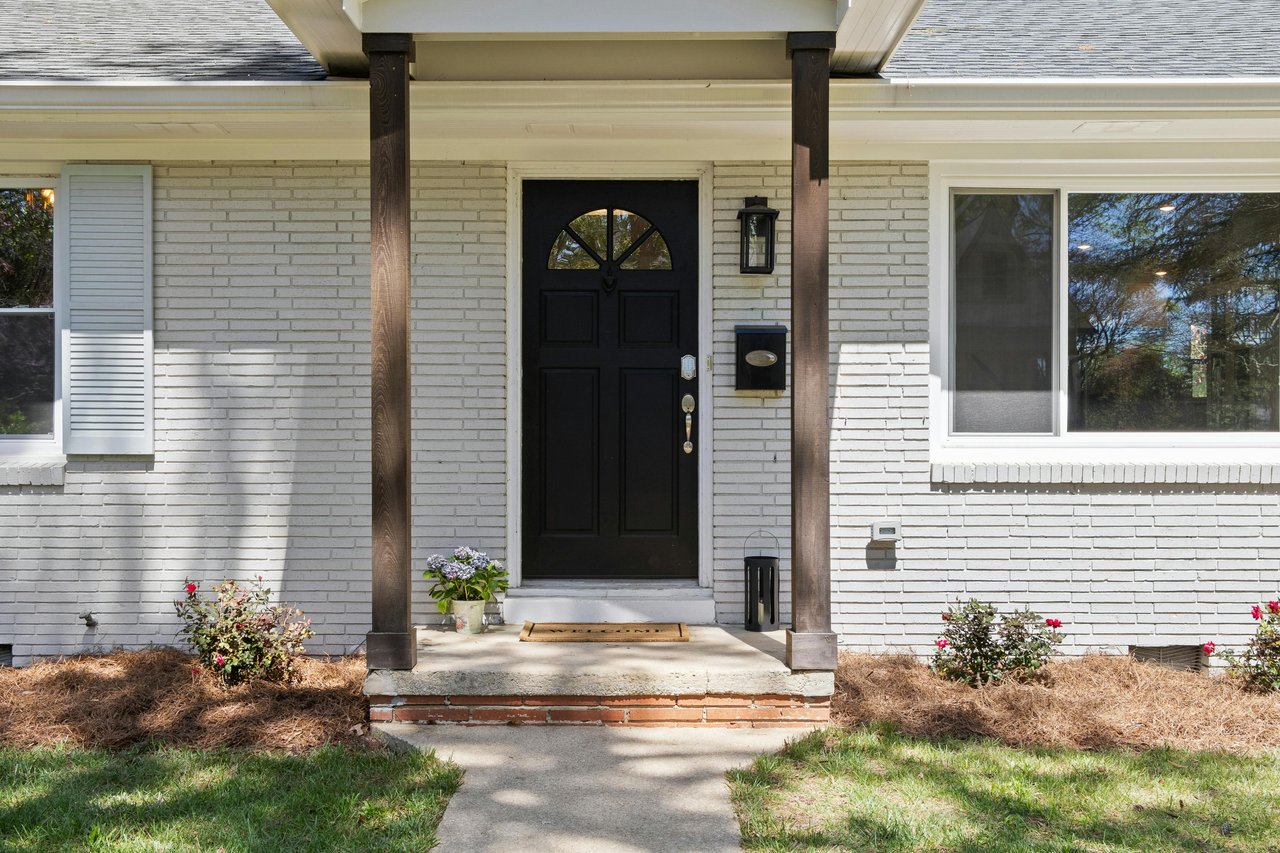
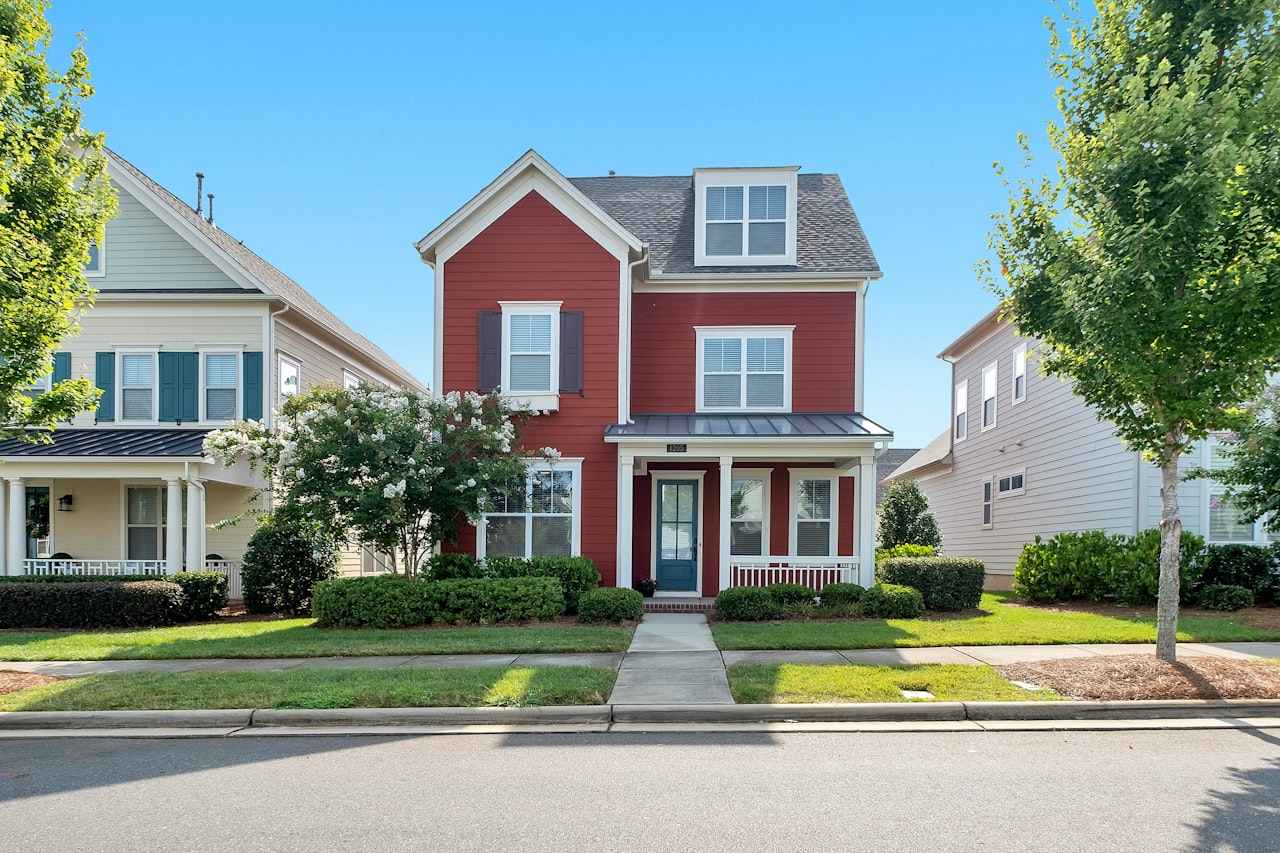
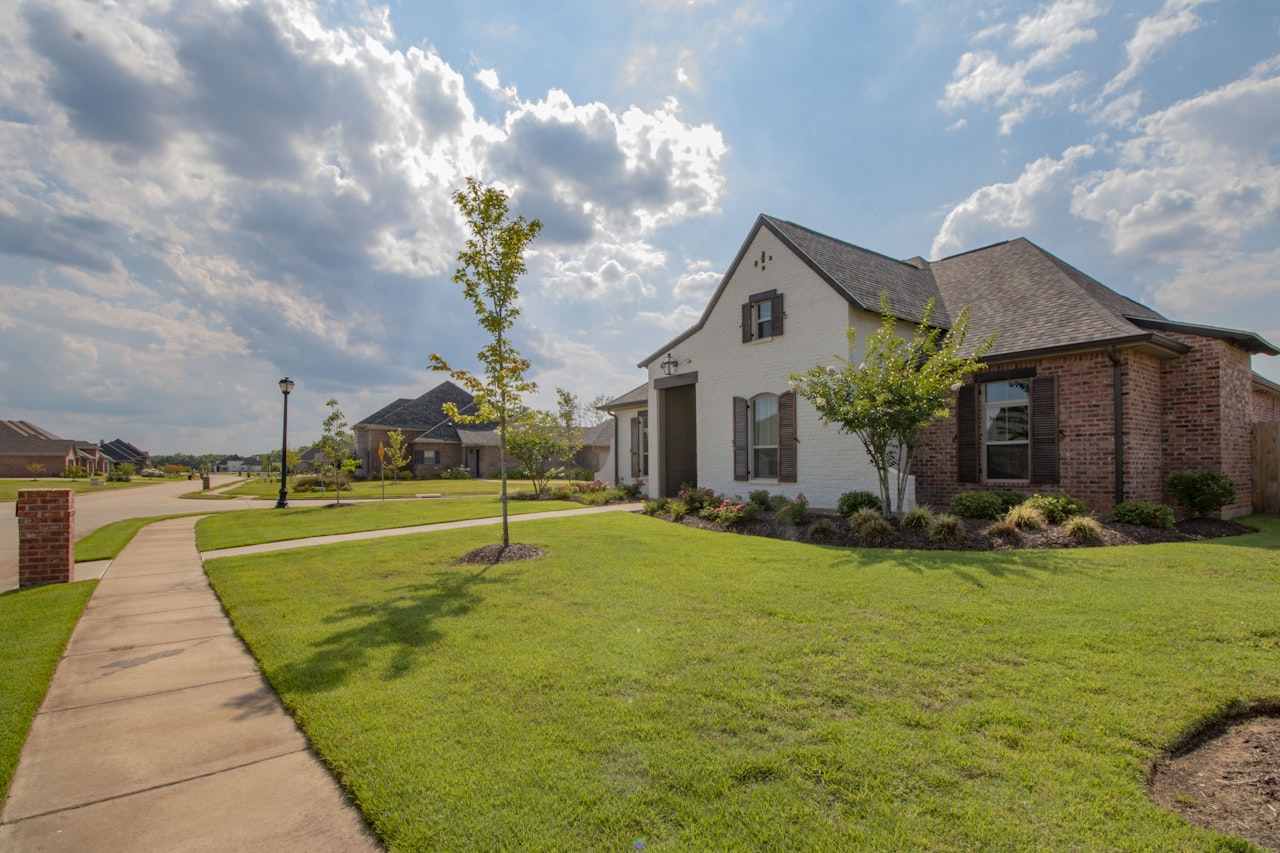
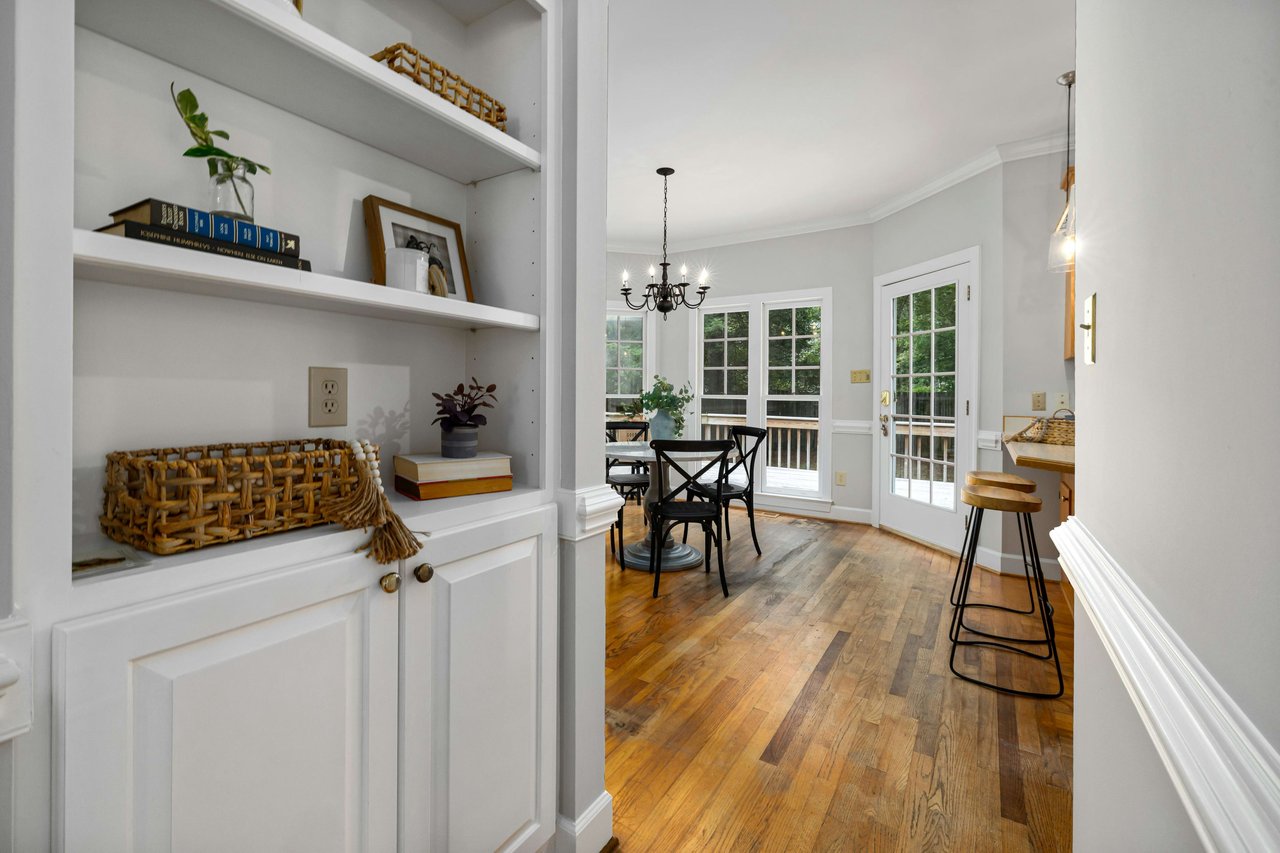
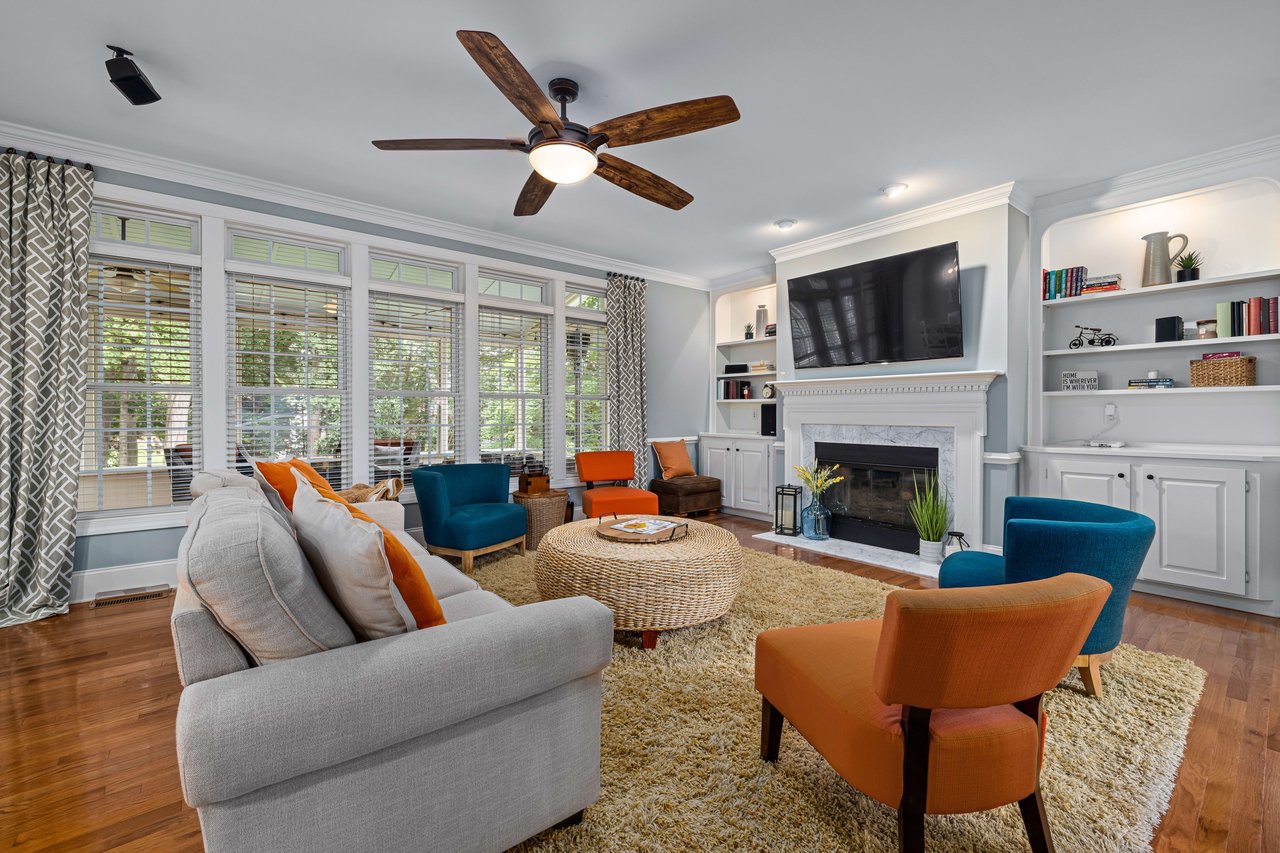
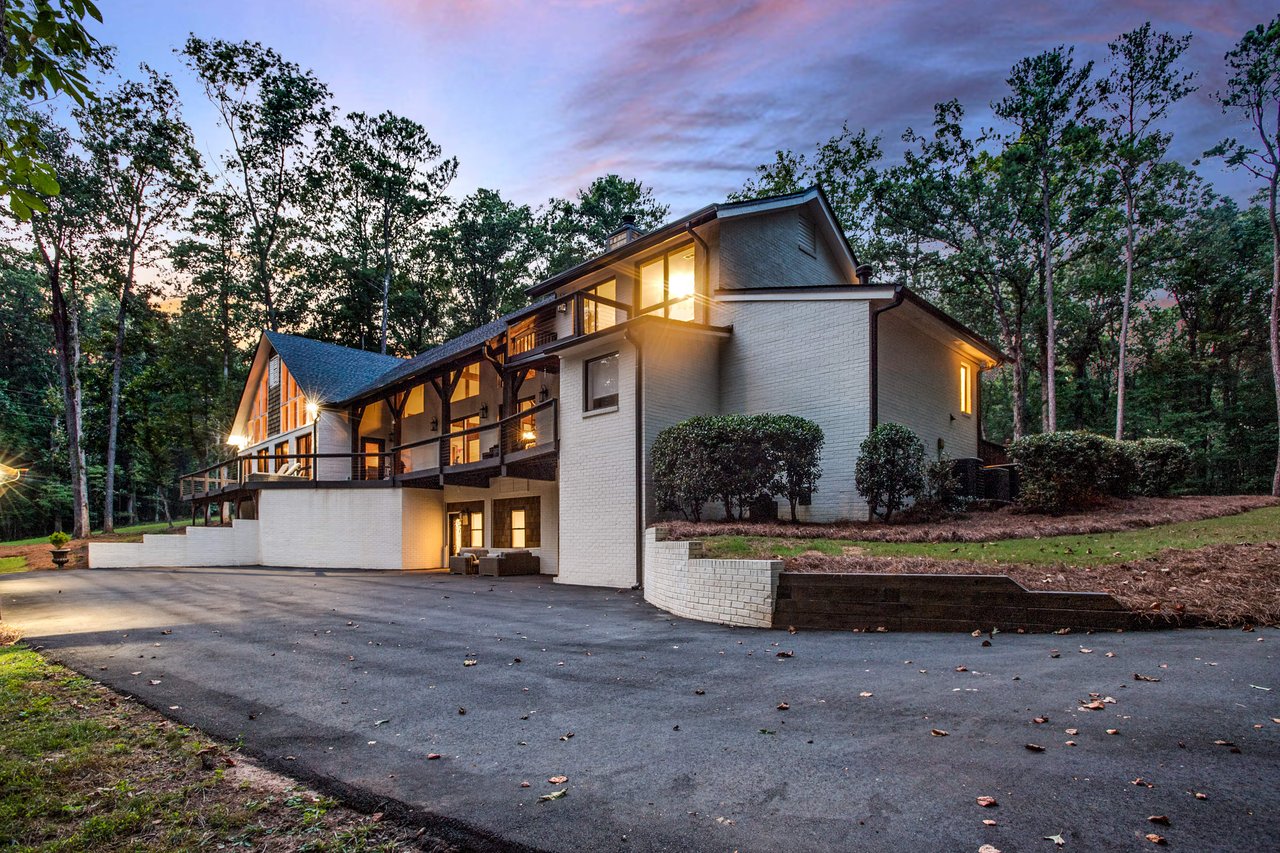
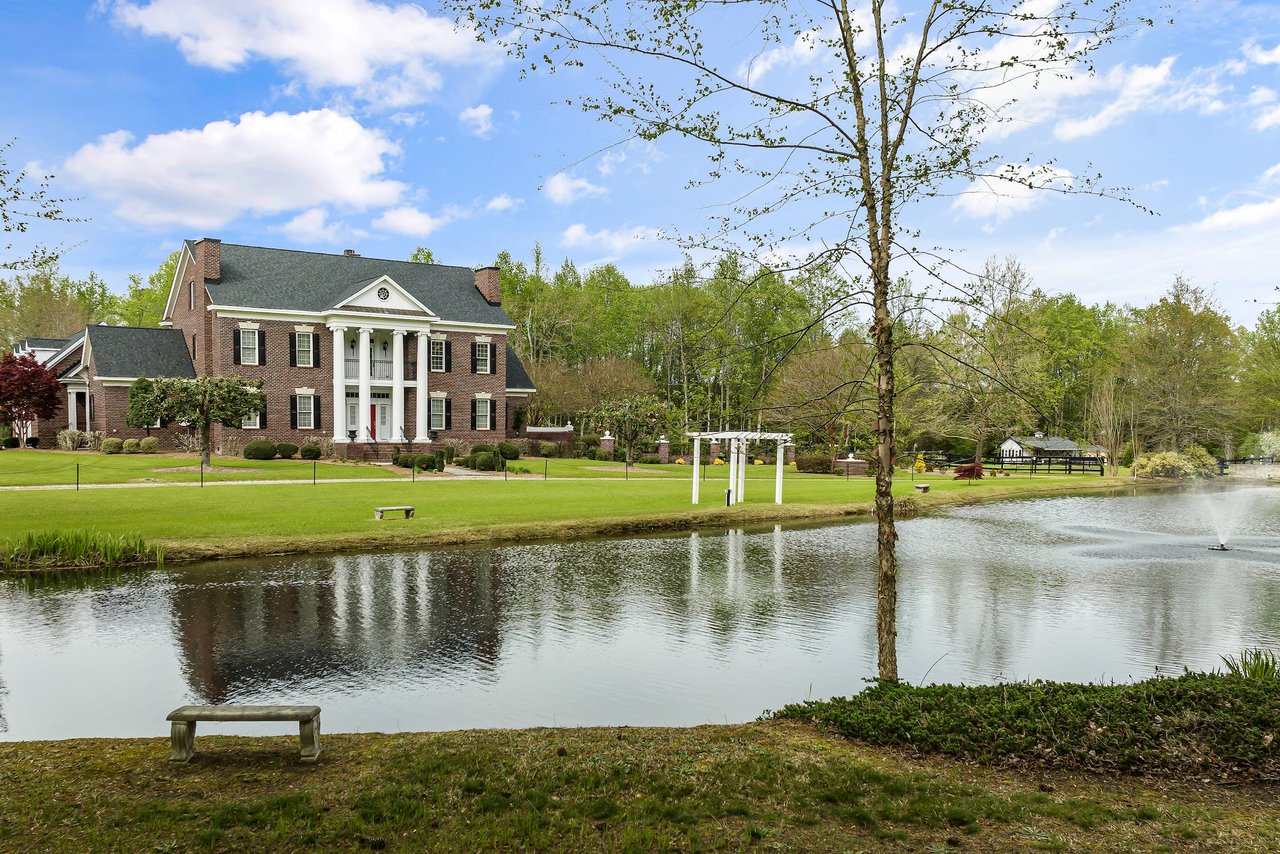
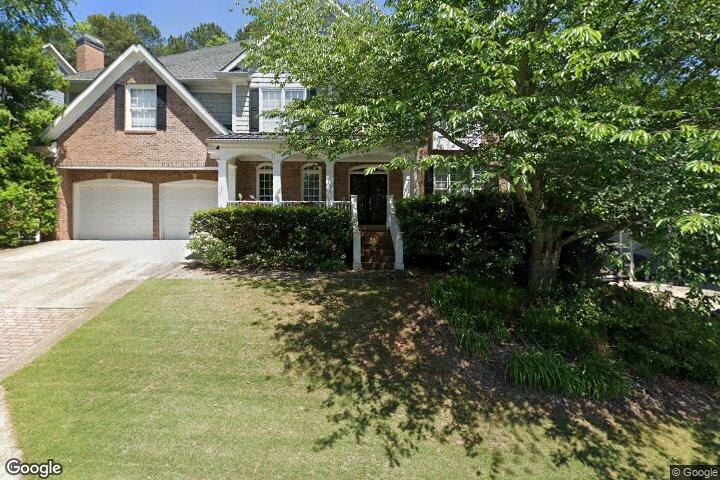
You’ll find a strong mix of single‑family neighborhoods built from the 1970s through the 2000s. Many are ranch, split‑level, or traditional styles on established lots. Newer infill homes and townhomes have added options near Dunwoody Village, Georgetown, and the Perimeter edge. Condos exist but are less concentrated than in Sandy Springs. Brook Run Park and village‑scale centers create a classic suburban feel with easy park access.
Sandy Springs housing snapshot
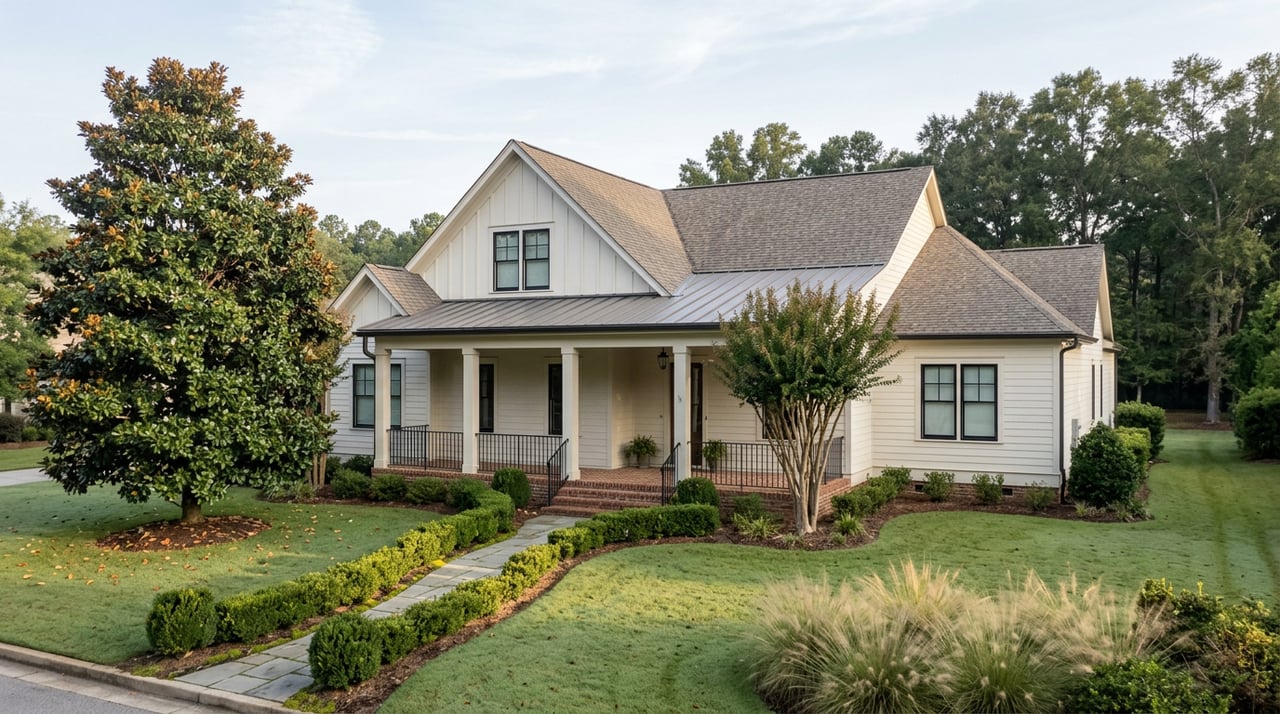
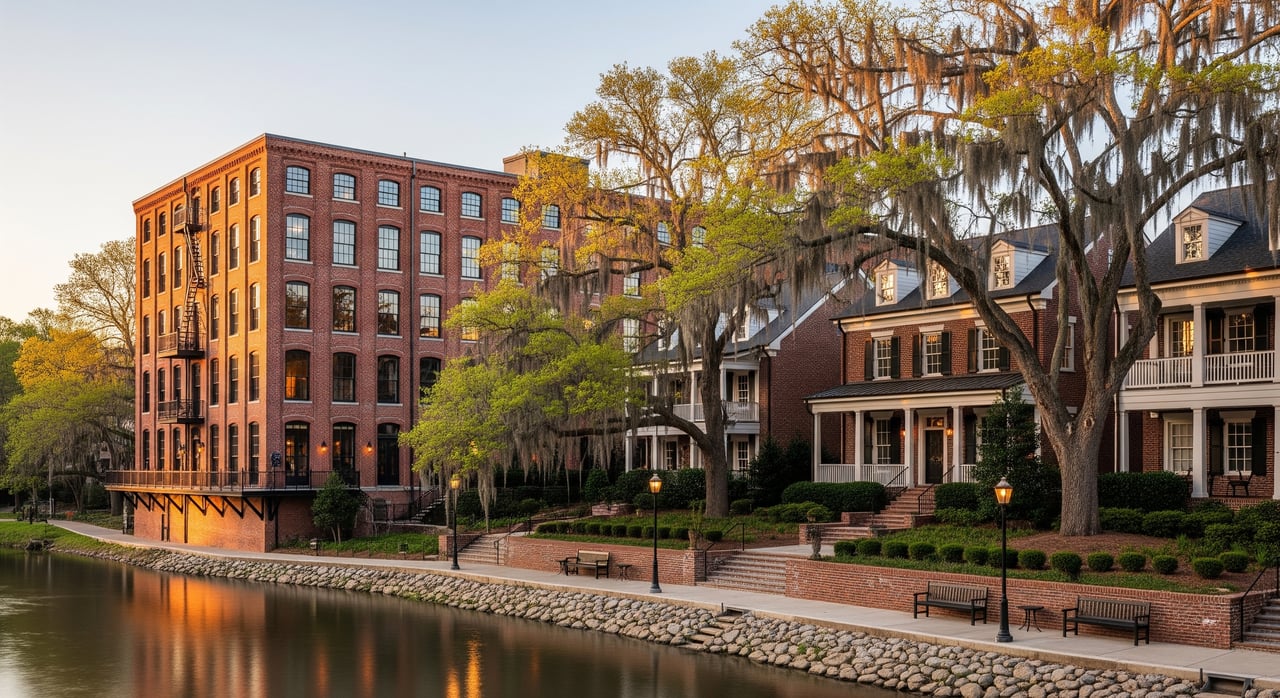
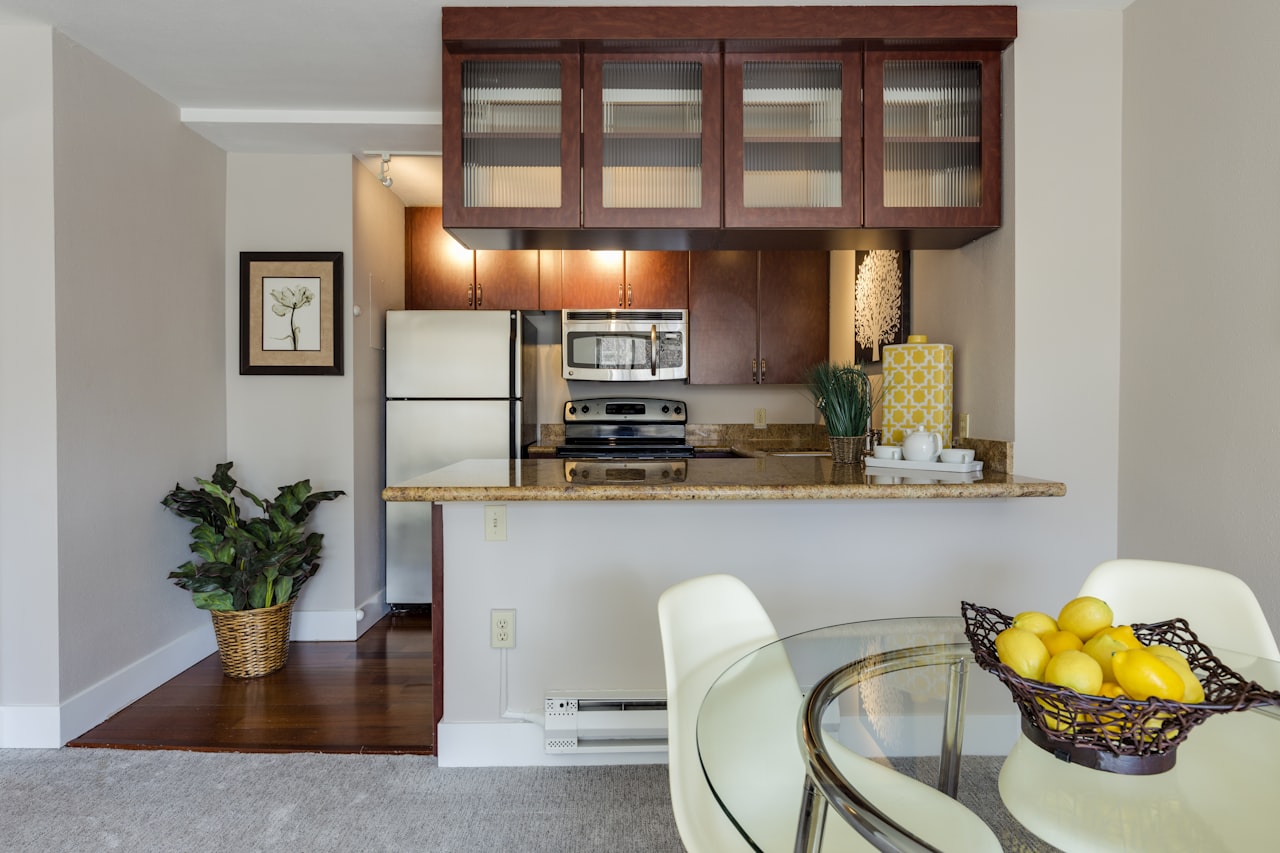
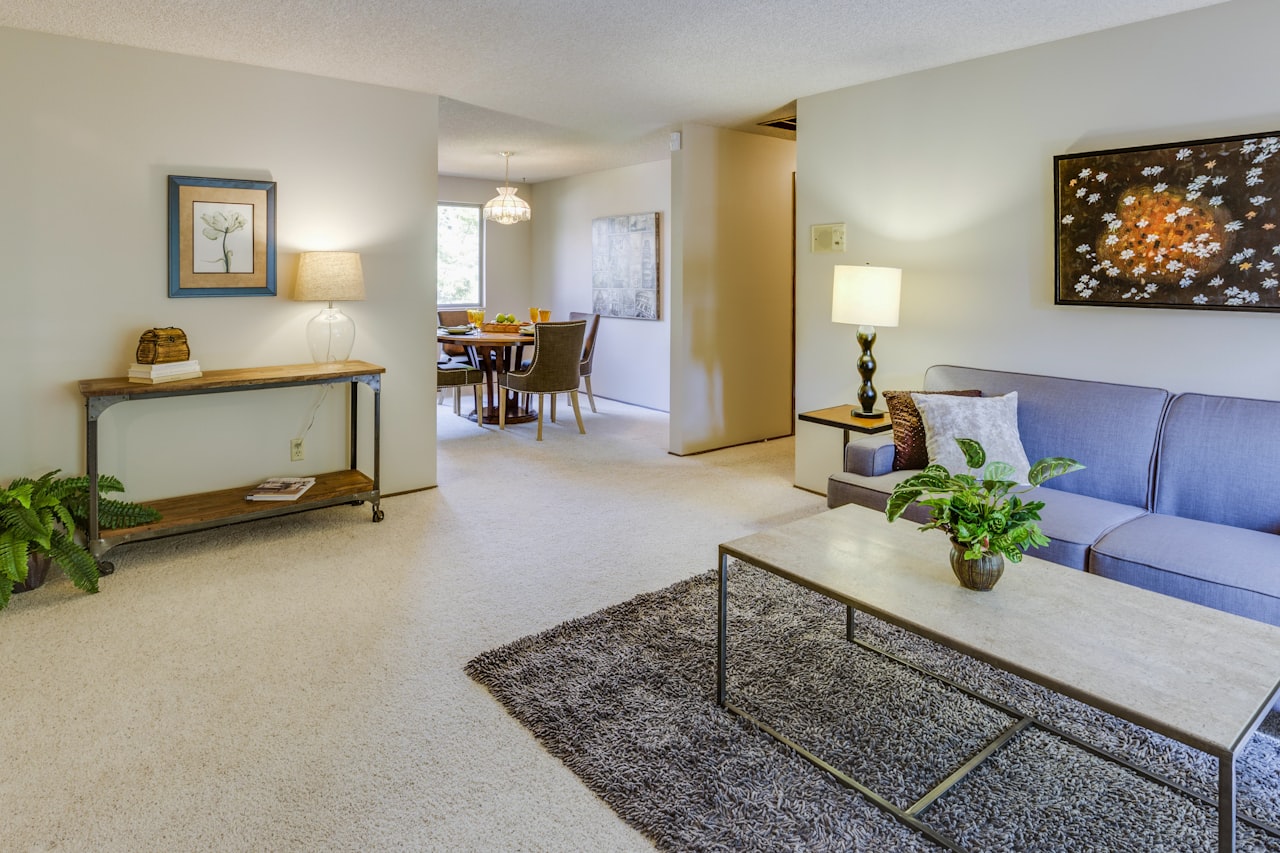
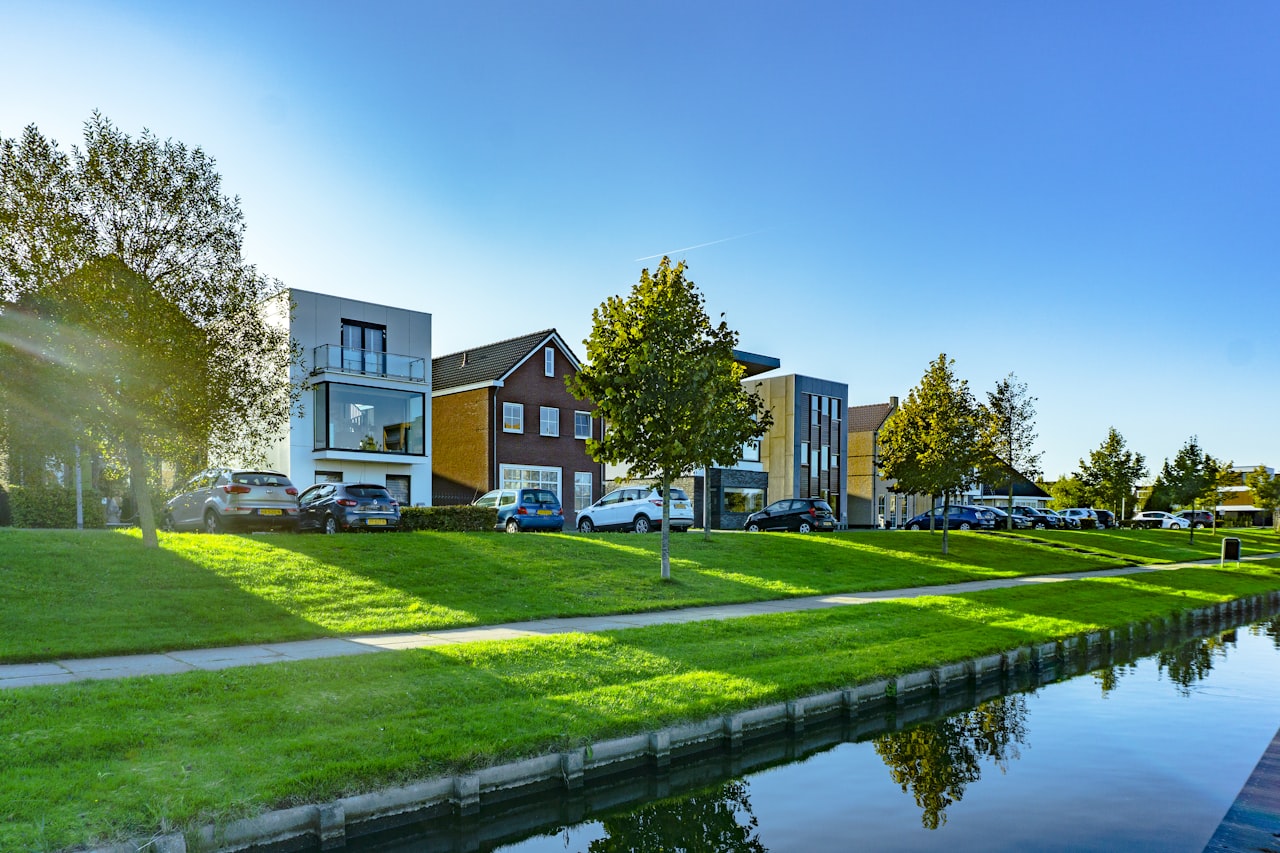
Sandy Springs offers broader product variety, including older single‑family homes, luxury infill, and a larger inventory of mid‑ and high‑rise condos and apartments near Perimeter Center and City Springs. You’ll see more mixed‑use and higher‑density projects along Roswell Road and around the civic core. If you want low‑maintenance living with walkable access to restaurants and events, this side often provides more choices.
Pricing and value drivers to watch
- Micro‑location: Proximity to Perimeter Center, MARTA access, and local retail drives premiums.
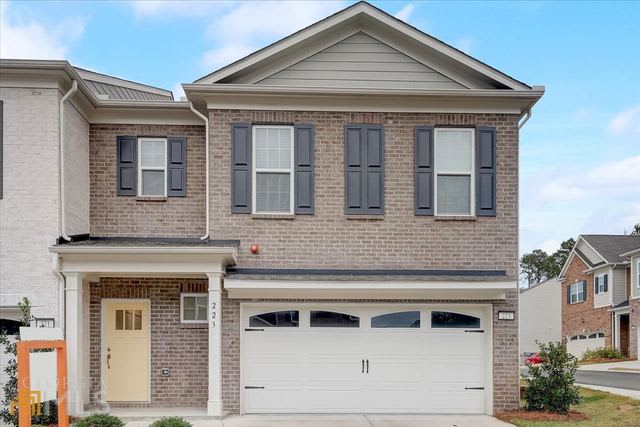
- Home type and lot size: Detached homes with larger yards usually command higher prices in both cities. Newer townhomes in walkable nodes also price strong.
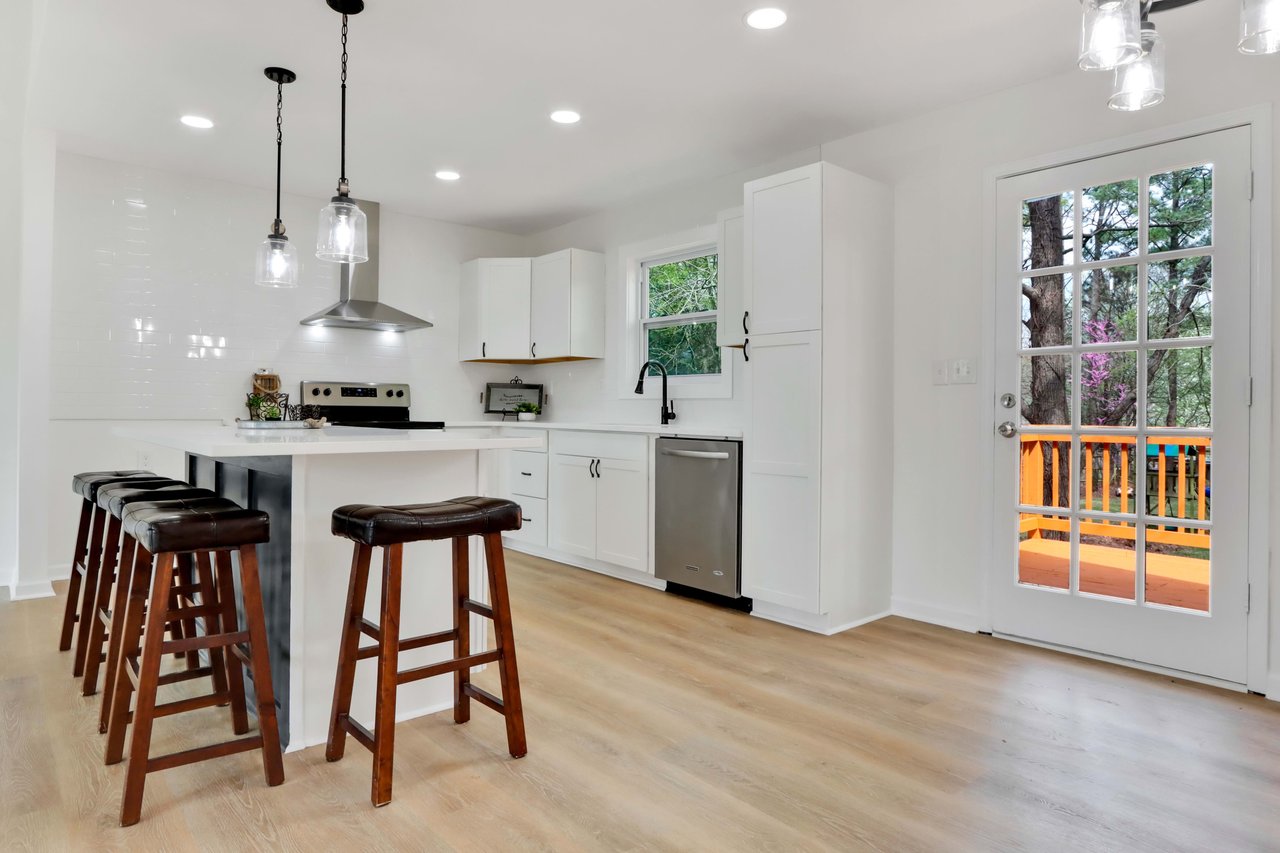
- Condition and age: Renovated homes compete with new infill. Factor renovation budgets into your comparisons if you consider older stock.
- Ownership costs: HOA or condo fees vary by community. Property taxes differ by county since Dunwoody is in DeKalb and Sandy Springs is in Fulton. Always verify specifics with county assessors and the city where the home sits.
Commute and transit
Both cities rely on I‑285 and GA‑400, with heavy peak congestion around interchanges and retail nodes. If you commute to Midtown or Downtown, the MARTA Red Line is a viable option from station catchments. The MARTA heavy rail Red Line serves the area with Dunwoody and Sandy Springs stations, and bus routes provide additional links, though frequency and first‑mile access vary.
Practical tip: Test your door‑to‑door commute during rush hours using live maps. Compare both driving and park‑and‑ride strategies if you plan to use MARTA. For intra‑Perimeter trips, expect variability based on time of day and local bottlenecks.
Lifestyle and amenities
Parks and outdoors
Dunwoody shines with Brook Run Park, a large municipal park with trails, playgrounds, dog areas, and community events. The Dunwoody Nature Center offers trails and programs in a wooded setting. In Sandy Springs, Morgan Falls Overlook Park and nearby river access provide scenic views and paddle opportunities. Both cities sit close to sections of the Chattahoochee River National Recreation Area, giving you hiking, water access, and greenspace within minutes.
Retail, dining, and walkability
Perimeter Mall and the surrounding district serve both cities with a deep retail and dining bench. Dunwoody Village and Georgetown lean into village‑scale convenience for daily errands. Sandy Springs’ City Springs area offers more urbanized, mixed‑use streets with civic programming and events. Walkability varies block by block, so plan a scouting visit to see how each micro‑area feels in person.
Healthcare and services
The Northside Hospital campus and other medical providers cluster in and near Sandy Springs, which is useful if proximity to healthcare is a priority. Both cities offer extensive professional services and everyday conveniences expected in a regional employment hub.
Development and planning to watch
Perimeter Center continues to evolve with mixed‑use projects and office conversions that aim to make the district more walkable and transit‑oriented. Sandy Springs has invested heavily in a revitalized civic core and denser multifamily near City Springs. Dunwoody has permitted infill around village centers and the Perimeter edge. If you plan a tear‑down or a major addition, check municipal zoning codes and overlay districts with the city planning departments: City of Dunwoody and City of Sandy Springs.
Which one fits you?
- Choose Dunwoody if you want established single‑family neighborhoods, traditional yards, and quick access to large parks and village‑scale retail.
- Choose Sandy Springs if you prefer more condo and townhome choices, an active civic center, and closer access to river recreation with a mixed‑use, urban feel.
- Choose either if your top priority is proximity to Perimeter Center employers. The right micro‑neighborhood and commute route often matter more than the city name.
How to choose: a simple checklist
- Map your commute. Test peak and off‑peak drive times to your specific workplace. Compare a MARTA strategy if it fits your routine.
- Compare ownership costs. Estimate mortgage, HOA or condo fees, and county property taxes for each address.
- Confirm lot and use goals. If you want a bigger yard or potential rebuild, verify setbacks, overlays, and allowable coverage with the city.
- Inspect for renovation needs. Budget for updates on older homes and weigh that against newer infill or turn‑key listings.
- Review HOA docs. Look at amenity inclusions, rental caps, pet rules, and special assessments.
- Walk the area. Visit at different times to gauge traffic, noise near GA‑400 or I‑285, and the feel of nearby retail.
- Check environmental factors. Review flood maps and stormwater considerations, especially near river corridors.
- Pull like‑for‑like comps. Compare recent sales by product type and location, not city label alone.
Ready to compare homes with a local guide?
If you want a clear plan and options that fit your timeline, you’re in the right place. Our team pairs high‑touch guidance with strategy, from evidence‑based pricing to renovation advice for sell‑then‑buy moves. Whether you plan to list, renovate‑and‑list, or pursue a cash as‑is sale, we will help you choose the path that protects your goals. Start your Dunwoody vs. Sandy Springs decision with a focused consult from Amy Pedersen.
FAQs
What are the biggest lifestyle differences between Sandy Springs and Dunwoody?
- Sandy Springs offers more mixed‑use and condo options near its civic core and river access, while Dunwoody leans toward established single‑family neighborhoods with larger park amenities.
How does MARTA access compare in Sandy Springs vs. Dunwoody?
- Both are served by the MARTA Red Line with stations named for each city; your first‑mile access and parking strategy will determine how convenient rail is for your commute.
How do property taxes differ between the two cities?
- Dunwoody is in DeKalb County and Sandy Springs is in Fulton County, so county tax rates and assessments differ; verify each property’s estimated bill before you decide.
Where are the main job centers these cities share?
- Perimeter Center functions as a shared employment hub with major offices, retail, and services that influence commute patterns and housing demand in both cities.
What housing types are most common in each city?
- Dunwoody features many single‑family homes from the 1970s–2000s plus newer infill, while Sandy Springs has a broader mix including more mid‑ and high‑rise condos near Perimeter and City Springs.
Which city is better for shorter commutes to Perimeter Center?
- It depends on your exact address and route; test drive times at rush hour and consider MARTA from nearby station catchments to compare options.