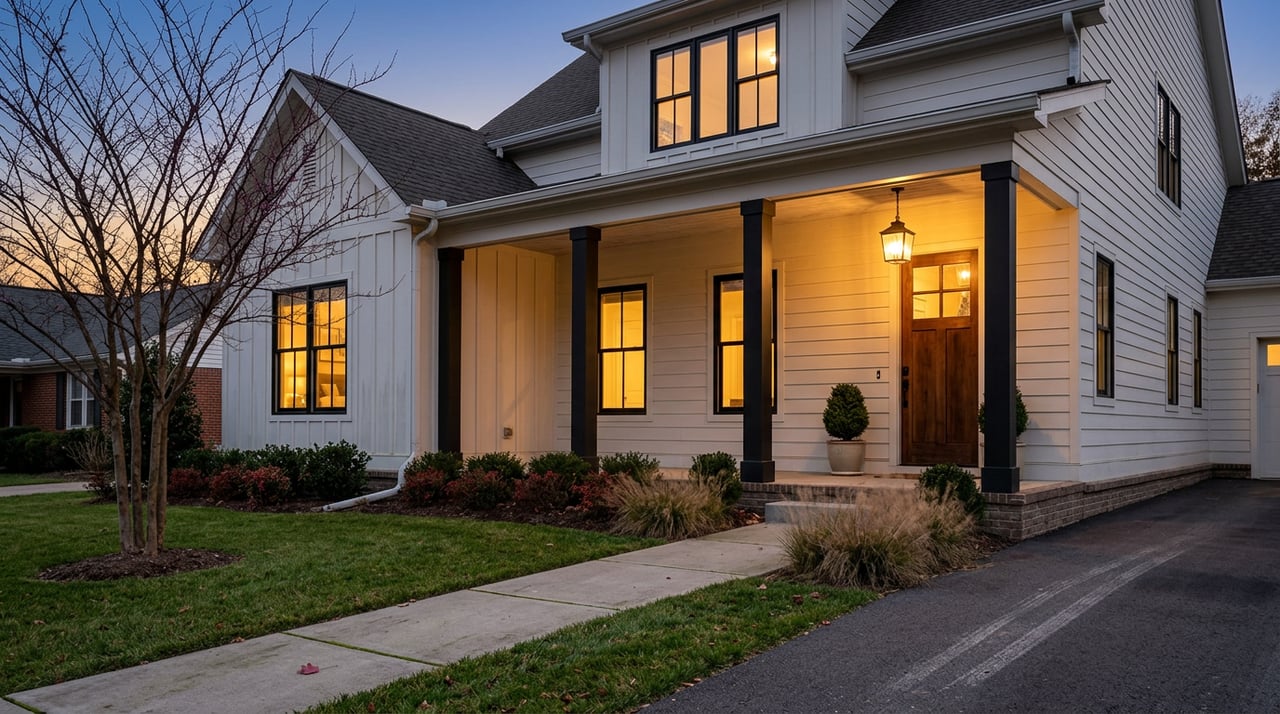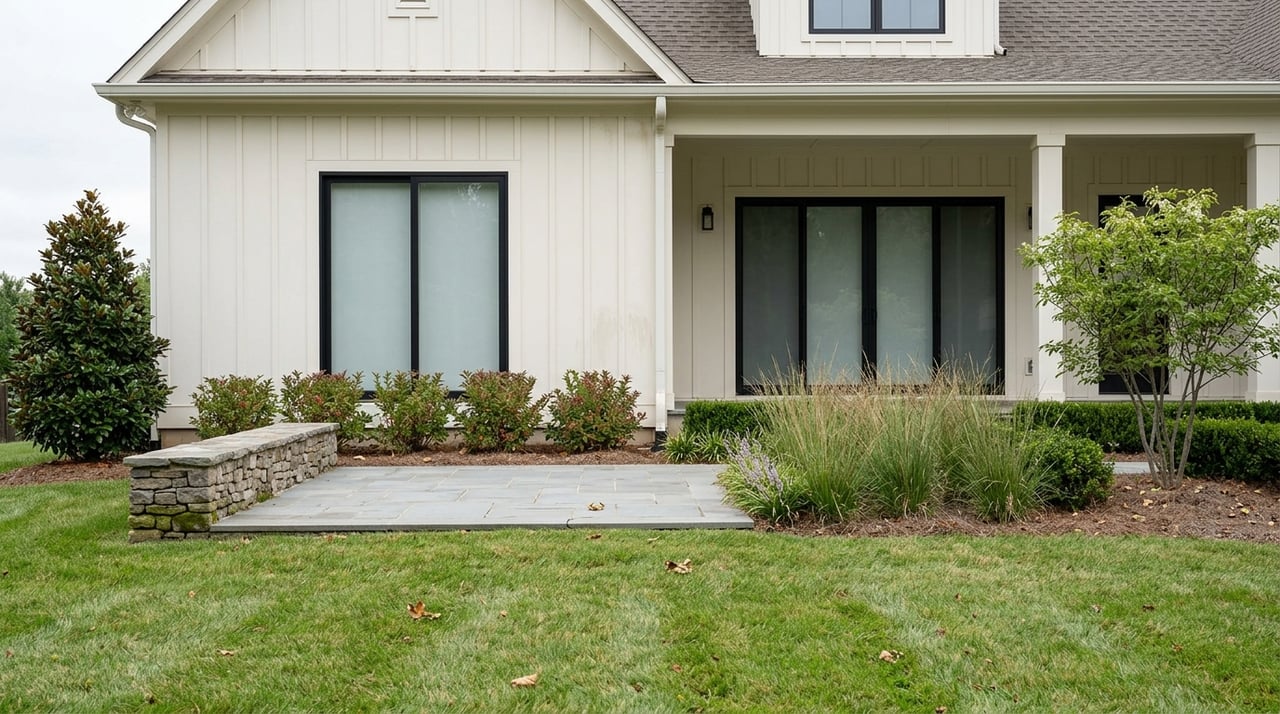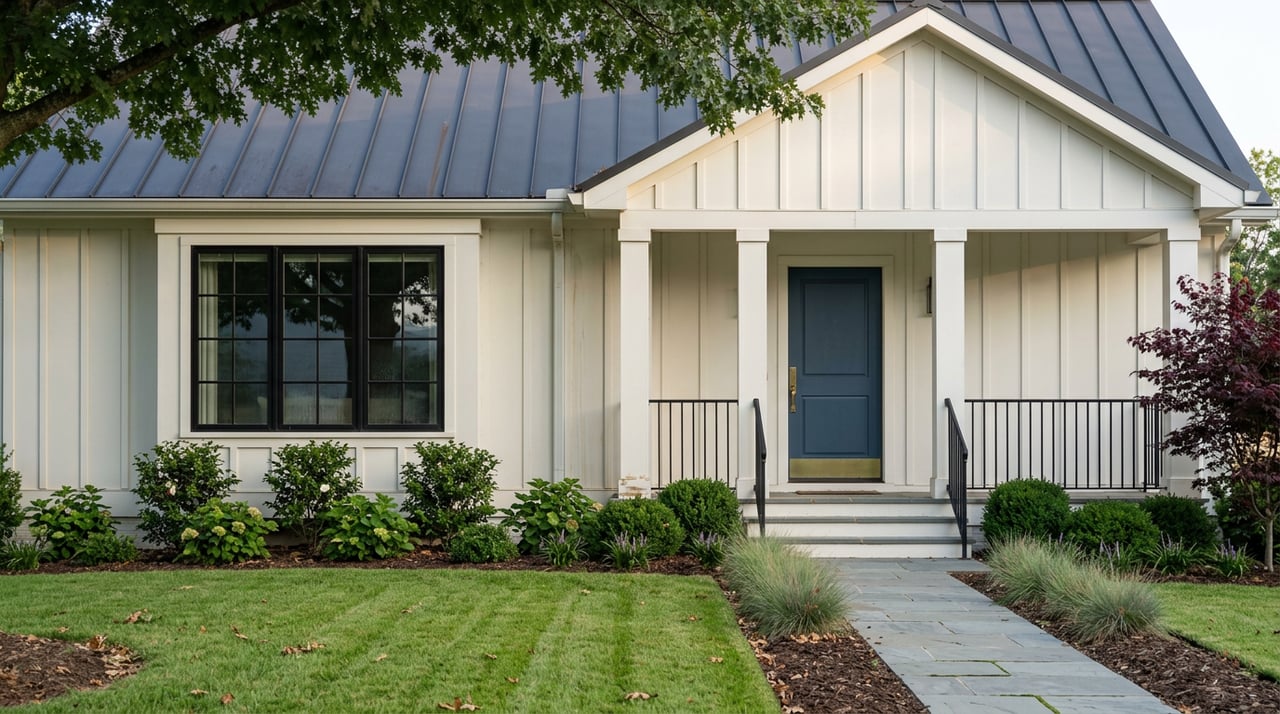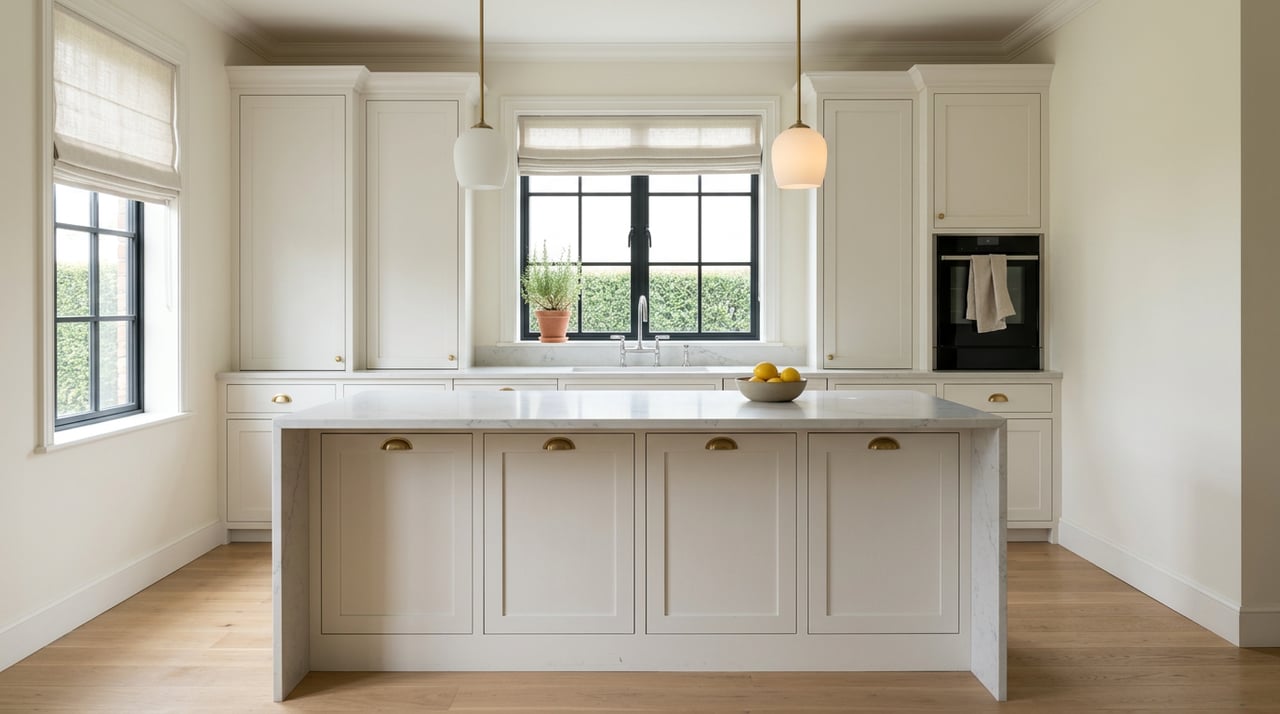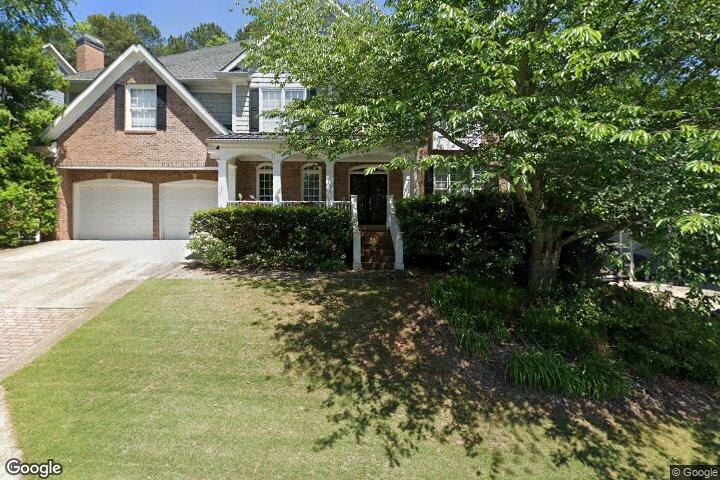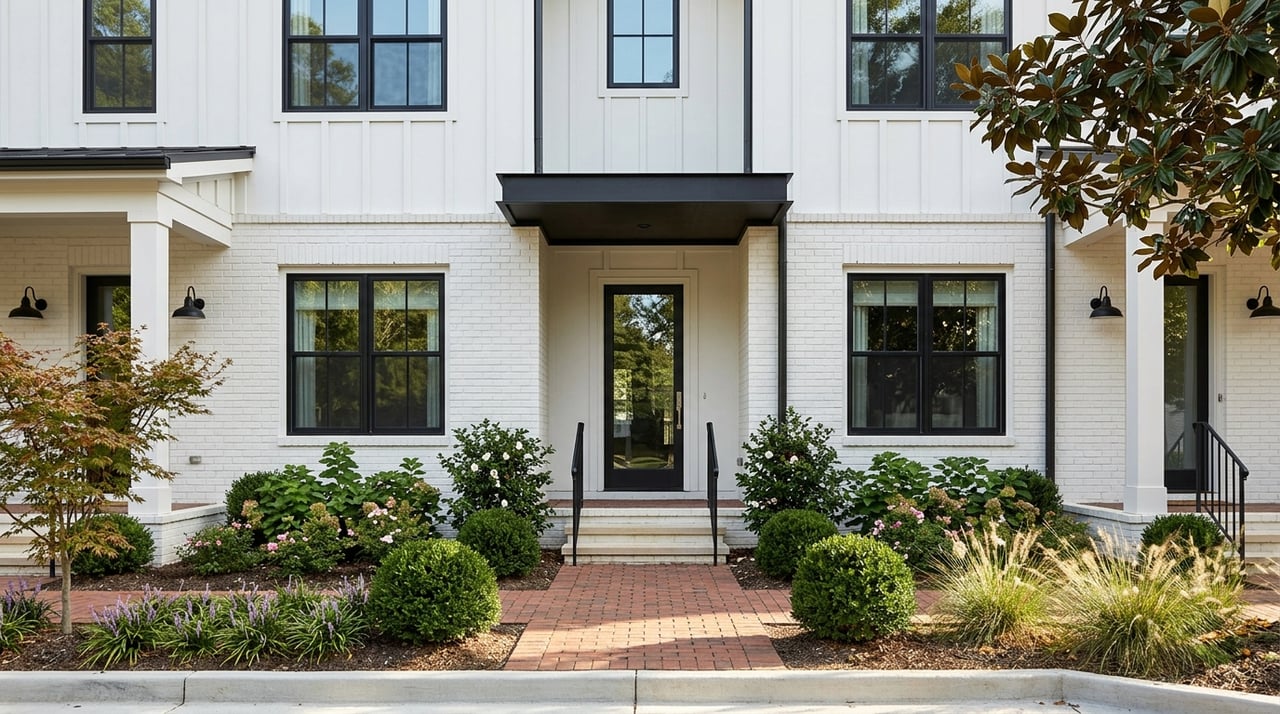
If your current home feels like more upkeep than freedom, you are not alone. Many Dunwoody homeowners reach a point where less maintenance, easier mobility, and a more predictable monthly budget matter more than extra square footage. The good news is that Dunwoody offers several condo and townhome options in convenient, amenity-rich areas, and this guide will help you compare where to start, what to budget for, and how to plan your move with confidence. Let’s dive in.
Why downsizers choose Dunwoody
Dunwoody gives you a few strong lifestyle hubs that can make downsizing feel like a step forward, not a compromise. The city identifies Dunwoody Village as its downtown, with a renovated courtyard plus dining and retail that support an easy lock-and-leave lifestyle.
You also have major convenience around Perimeter and transit-oriented pockets. The city highlights High Street as a $2 billion mixed-use destination near GA-400, I-285, and the Dunwoody MARTA station, while Brook Run Park and Two Bridges Park add trails, recreation, and outdoor access that many buyers want once yard work is no longer a priority.
From a market standpoint, attached homes can move quickly when the right one hits the market. Redfin’s Dunwoody data in the research snapshot shows a median of about $318,000 for condos and about $599,000 for townhomes, with townhouses typically going pending in about 56 days, which is why pre-approval and a clear game plan matter.
Best condo options in Dunwoody
If your goal is to reduce maintenance, stay close to amenities, and keep your price point moderate, Dunwoody’s condo communities offer a useful starting point. The main differences usually come down to entry price, dues, amenities, and how close you want to be to MARTA, trails, or Perimeter-area shopping and dining.
Lower-entry condo communities
Terraces of Dunwoody is one of the clearest lower-entry options for downsizers who want value and convenience. Built in 2001, this community shows recent sales from about $215,000 to $276,500, with HOA dues ranging from about $190 to $490 per month, according to Homes by Marco’s community snapshot. Amenities listed include a pool, fitness center, dog park, gated access, and near-MARTA convenience.
Madison Square at Dunwoody gives you another lower-entry path with a broader amenity package. The same Homes by Marco snapshot notes condos averaging about $246,000, HOA dues from about $170 to $442 per month, and amenities such as concierge service, a pool, fitness center, dog park, pickleball, storage, and near-MARTA access.
Ashford Condominiums can fit buyers who want a slightly higher price band while still staying below many townhome options. Recent sales are shown from about $283,100 to $405,000, with HOA dues around $360 to $448 per month and amenities that include a clubhouse, pool, fitness center, tennis, dog park, and gated access, based on the same market snapshot source.
Midrange condo choices
If you want a stronger amenity package or a more elevated attached-home feel, the midrange category is worth a close look. These communities often appeal to buyers who want convenience first, but do not want to give up comfort or a more established lifestyle setting.
Sterling of Dunwoody was built between 2005 and 2013 and stands out for its amenity mix. The Homes by Marco overview shows one condo for sale at $325,000, HOA dues from about $233 to $513 per month, and amenities including a lake, marina, pool, tennis, dog park, fitness center, and near-MARTA convenience.
The Manhattan is another option in a similar price range. According to the same Sterling of Dunwoody market source, it shows three condos for sale averaging about $326,500, with HOA dues from about $292 to $573 per month and amenities such as concierge service, pool, fitness center, dog park, pickleball, spa or hot tub, storage, and near-MARTA access.
Best townhome options in Dunwoody
For many downsizers, a townhome hits the sweet spot. You may keep more living space, a garage, and a more house-like layout, while still reducing exterior maintenance and yard work.
Midrange attached-home option
Georgetown at Perimeter Walk is one of the most balanced attached-home choices for buyers who want access to trails, transit, and practical pricing. The Homes by Marco community data shows HOA dues from about $163 to $339 per month and recent sales from about $299,000 to $475,000, with amenities including a clubhouse, dog park, pool, tennis, gated access, and strong trail and public transit adjacency.
This area also gets a lifestyle boost from the city’s park network. The City of Dunwoody notes that Two Bridges Park connects the Georgetown area through a pedestrian bridge over Nancy Creek, which is a meaningful plus if walkability and outdoor access are part of your downsizing goals.
Newer or larger townhomes
If downsizing for you means less maintenance but not necessarily less space, Dunwoody has several larger townhome communities to compare. These options tend to work well for homeowners who still want room for guests, hobbies, or a home office.
Dunwoody Towneship offers relatively newer construction and practical square footage. The Homes by Marco snapshot shows homes built from 2016 to 2018, floor plans from about 1,770 to 2,585 square feet, HOA dues around $210 to $250 per month, and a median price near $690,000.
Dunwoody Village is another large-format option for buyers who want a newer product near one of the city’s most recognizable lifestyle anchors. The same market snapshot source shows floor plans from about 2,381 to 4,042 square feet, HOA dues around $220 to $310 per month, recent sales from about $665,000 to $788,000, and amenities such as a clubhouse, pool, dog park, gated access, and tennis.
Fairfield gives you an established townhome option convenient to Perimeter Center and Brook Run Park. The same source shows one townhouse for sale at about $675,000, with HOA dues from about $367 to $398 per month.
Dunwoody Club Townhomes can be a useful value comparison if you want larger square footage in an older community. The snapshot shows homes ranging from about 1,998 to 2,968 square feet, HOA dues from about $325 to $370 per month, and recent sales from about $305,000 to $452,500.
How to compare monthly cost
When you downsize, list price is only part of the picture. A condo with a lower sale price can still cost more month to month if dues are high, while a townhome with a higher price may feel more manageable if the HOA covers services you would otherwise pay for separately.
The CFPB explains that condo and HOA dues are usually paid directly to the association rather than included in your mortgage payment. Fannie Mae also notes that your ownership costs may include principal, interest, taxes, insurance, and often HOA fees, so your true budget should look at the full monthly number, not just the asking price.
A simple way to compare options is to stack these costs side by side:
- Mortgage principal and interest
- Property taxes
- Homeowners insurance
- HOA or condo dues
- PMI, if your loan requires it
- Estimated maintenance or utility differences
That approach gives you a clearer picture of what “downsizing” will actually feel like in your monthly cash flow.
What to review before you buy
Amenities are easy to notice during a showing. The association’s financial health is what deserves the deeper look.
The National Association of Realtors condo ownership guide recommends reviewing reserve funds, past or planned special assessments, fees, fines, and the association’s financial documents. A stronger reserve fund can reduce the chance of surprise assessments, which matters a lot when you want your housing costs to be more predictable.
It is also smart to review HOA or COA documents during your contract contingency period. That same NAR guidance points out that buyers should review those documents before fully committing, especially in condo communities where rules, fees, and financial management can directly affect day-to-day ownership.
Best strategy for moving from house to condo
For most downsizers, the biggest question is not just what to buy. It is when to sell and how to sequence both moves without creating unnecessary pressure.
The CFPB says homeowners commonly try to sell their current home before buying another one. NAR also recognizes tools like home-sale contingencies, home-close contingencies, and HOA-document review contingencies, which can help reduce risk while you line up timing.
If you want to buy before selling, a bridge loan may be one option. Chase explains that bridge loans are short-term tools used to buy a new home before the old one sells, but they often come with higher rates, more fees, and the possibility of carrying two payments at once.
A practical downsizing sequence usually looks like this:
- Get a current value opinion on your existing home.
- Talk with a lender and secure pre-approval.
- Set a target monthly payment that includes dues, taxes, insurance, and any PMI.
- Tour the condo and townhome communities that fit your goals.
- Decide whether a sell-first, contingent purchase, or bridge-loan strategy fits your timeline and equity position.
That kind of planning matters in a market where the right attached home may not sit for long.
Which Dunwoody option fits best
If you want the lowest entry point, communities like Terraces of Dunwoody and Madison Square at Dunwoody may be worth watching closely. If your priority is amenities and an easy-to-manage condo lifestyle near transit and Perimeter, Sterling of Dunwoody and The Manhattan stand out.
If you want more square footage and a more traditional home feel, Georgetown at Perimeter Walk offers a strong middle ground. And if your version of downsizing means keeping generous space while losing yard maintenance, larger townhome communities like Dunwoody Towneship and Dunwoody Village deserve a closer look.
The right move depends on how you define convenience, what monthly payment feels comfortable, and whether you want to simplify aggressively or just trade into a more efficient lifestyle. If you want help comparing sale timing, monthly cost, and the best-fit attached communities in Dunwoody, Amy Pedersen can help you create a clear, tailored plan.
FAQs
What are the best condo options for downsizing in Dunwoody?
- Lower-entry options include Terraces of Dunwoody, Madison Square at Dunwoody, and Ashford Condominiums, while midrange choices include Sterling of Dunwoody and The Manhattan.
What are the best townhome options for downsizing in Dunwoody?
- Georgetown at Perimeter Walk is a strong midrange option, while Dunwoody Towneship, Dunwoody Village, Fairfield, and Dunwoody Club Townhomes offer larger townhome alternatives.
How much do Dunwoody condo HOA fees usually cost?
- Based on the research snapshot, dues vary widely by community, from roughly the high $100s per month to more than $500 per month.
What should you review before buying a Dunwoody condo or townhome?
- You should review HOA or COA documents, reserve funds, past or planned special assessments, fees, fines, and the association’s financial health during your contingency period.
Should you sell your current home before buying a downsizing home in Dunwoody?
- Many homeowners sell first, but depending on your equity and timing, a contingent purchase or bridge-loan strategy may also work.