If you love the idea of living near the water, Acworth gives you more than one version of that lifestyle. You might picture a home with a dock, a neighborhood close to the lake, or a low-maintenance cottage near a marina, but each option works a little differently here. Understanding those differences can help you buy with more confidence, avoid surprises, and choose the setup that actually fits your life. Let’s dive in.
Acworth offers two lake lifestyles
Acworth is closely tied to both Lake Acworth and Lake Allatoona, but they serve different buyer goals. According to the City of Acworth, Lake Acworth is a 260-acre city lake, while nearby Lake Allatoona is much larger, with about 11,862 acres of water and 270 miles of shoreline.
That size difference shapes the home search. Lake Acworth tends to feel more park-oriented and easy to enjoy day to day, while Allatoona is the larger boating and marina market that often drives interest in dock access, shoreline permits, and direct water proximity.
Lake Acworth vs. Lake Allatoona
Lake Acworth is city-centered
Lake Acworth is anchored by public amenities that make waterfront living feel very connected to the city. At Cauble Park, you’ll find an electric-motor-only boat ramp, beach, boardwalk, playgrounds, and rental facilities, and South Shore Park adds another beach and fishing area.
For buyers, that often means the value is less about private dock ownership and more about convenience. If you want quick access to park space, walking paths, and an easy lake setting woven into everyday life, homes near Lake Acworth can be appealing.
Lake Allatoona is the bigger recreation draw
Lake Allatoona is a different scale entirely. The U.S. Army Corps of Engineers says it is one of the most frequently visited Corps lakes in the nation, with nearly 7 million visitors a year, 8 marinas, and 27 public recreation areas.
That matters if your vision includes boating, marina access, or the possibility of a dock permit. Homes near Allatoona often attract buyers who want stronger recreational access and are willing to learn the extra rules that come with Corps-managed shoreline.
What “waterfront” means in Acworth
One of the biggest buyer mistakes is assuming every waterfront home works the same way. In Acworth, especially around Allatoona, the label on the listing may not tell the full story.
A home can be near the water, back to Corps land, have a lake view, or potentially qualify for a dock permit, and those are not the same thing. Before you fall in love with the setting, it helps to understand the main property categories.
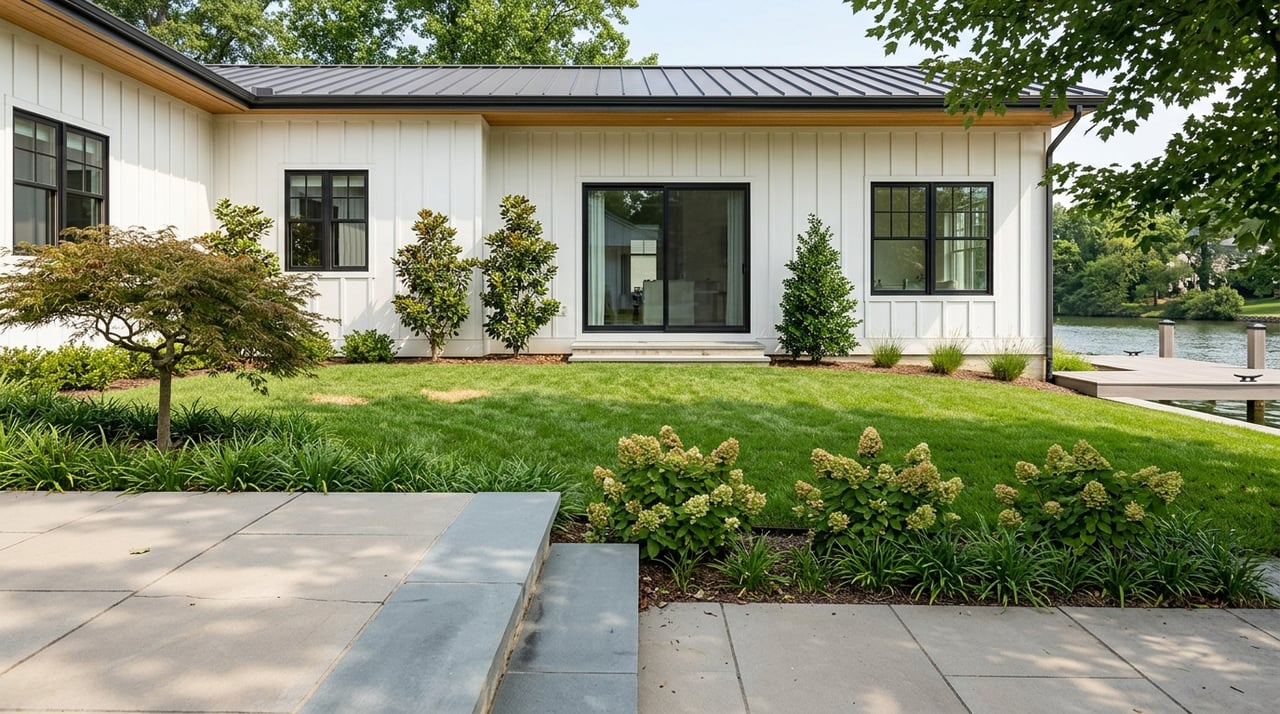
True lakefront homes
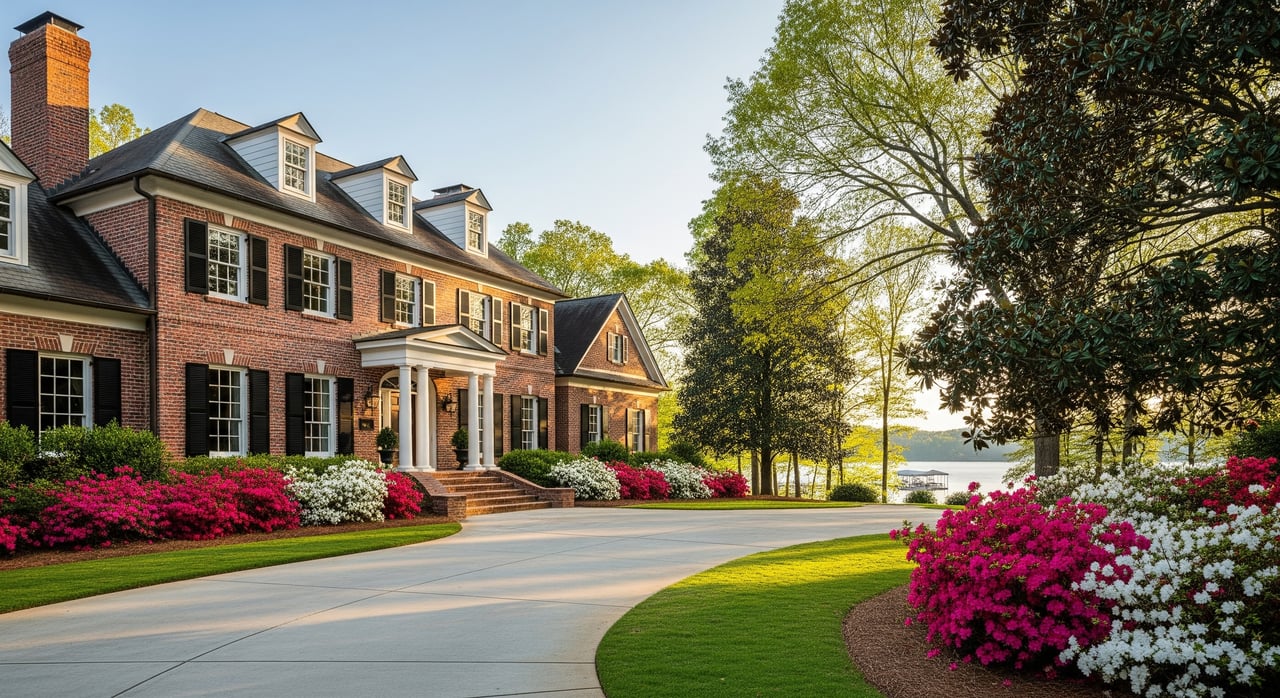
A true lakefront home near Allatoona usually sits next to Corps-controlled shoreline. According to the USACE shoreline management rules, a dock permit may only be issued if the lot is in a limited development area shown on the shoreline allocation map.
Even then, approval is not automatic. Permits renew every five years, and only certain dock types are allowed: a simple platform dock up to 200 square feet or a boat-slip dock up to 800 square feet.
Lake-view or walk-to-water homes
These homes give you proximity without the same ownership structure as dock-capable waterfront. You may find homes that back to Corps land, sit a short walk from the water, or are just a quick drive from a park, beach, or launch area.
For many buyers, this is the sweet spot. You can enjoy the lake lifestyle while staying closer to broader Acworth price points and avoiding some of the complexity that comes with dock permits or lease structures.
Marina cottages or leasehold properties
Marina communities are their own category and deserve careful review. One Glade Marina cottage listing noted that the land was Corps land lease only, required a cash purchase, and carried monthly fees that bundled the land lease, gated entry, boat-launch access, trash, water, and private dock fee, according to this Glade Marina property example.
That setup can work well if you want a simple lake retreat, but it is very different from buying a fee-simple home in a traditional subdivision. You want to understand exactly what you own, what you lease, and what recurring costs apply.
Dock rights and shoreline rules
If your top priority is keeping a boat at your property, this is the section that matters most. On Allatoona, buying a waterfront home does not mean you automatically own or control the shoreline behind it.
The USACE permit guidance makes that clear: the shoreline in front of the dock remains public land. The adjacent owner may have permit rights in some locations, but that is not the same as private shoreline ownership.
Can you build or keep a dock?
Only in certain areas. The Corps permit process says new shoreline use permits can only be issued where the shoreline allocation map allows them.
That means a waterfront lot may still not qualify. It is important to verify permit eligibility early, not after you are under contract.
Do you own the shoreline?
No. The shoreline remains public land, and the Corps manages it. The USACE boundary and encroachment guidance also notes that adjacent landowners cannot place personal property there without permission.
This is a big mindset shift for buyers moving from private-lake communities. Your home may have exceptional water access, but the land between your lot and the lake may still be managed under federal rules.
Are utilities allowed at the dock?
Sometimes, but not always. The Corps notes that power or water to a dock is allowed only in some cases, and shared-path access may affect whether certain utilities are permitted.
If utilities matter to you, ask for documentation and confirm the current status before you make a decision. This is not a detail to leave to assumption.
What buyers can expect on price
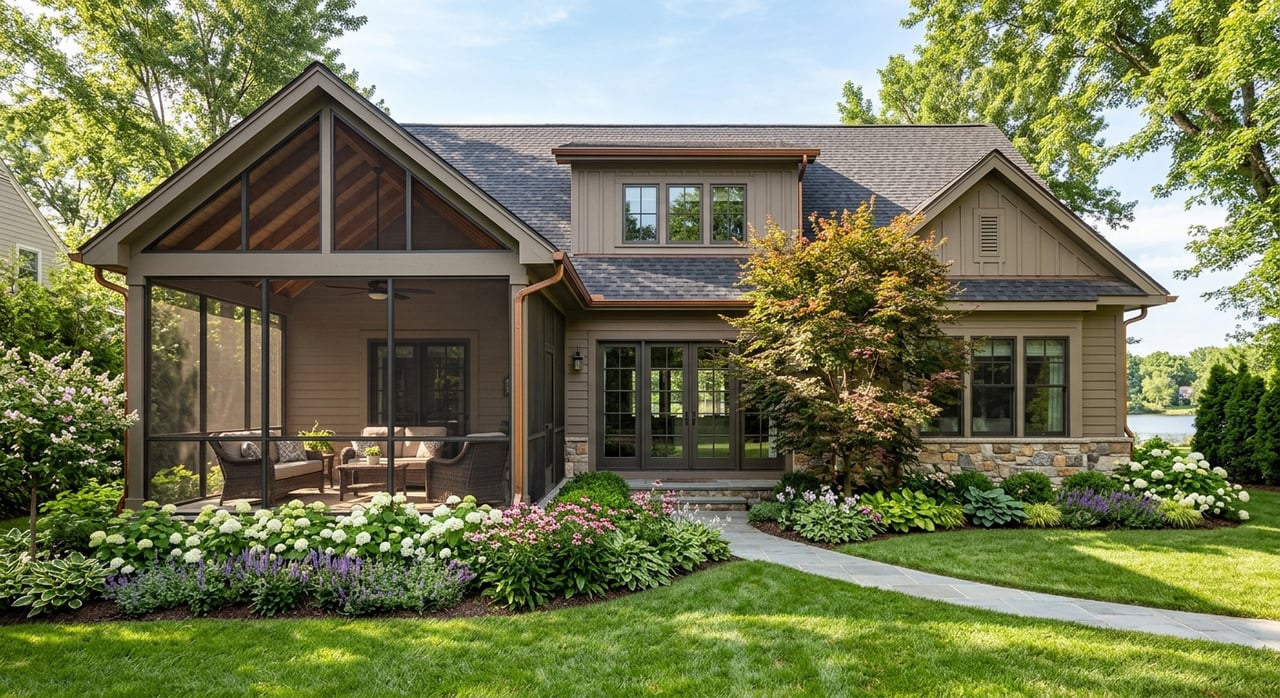
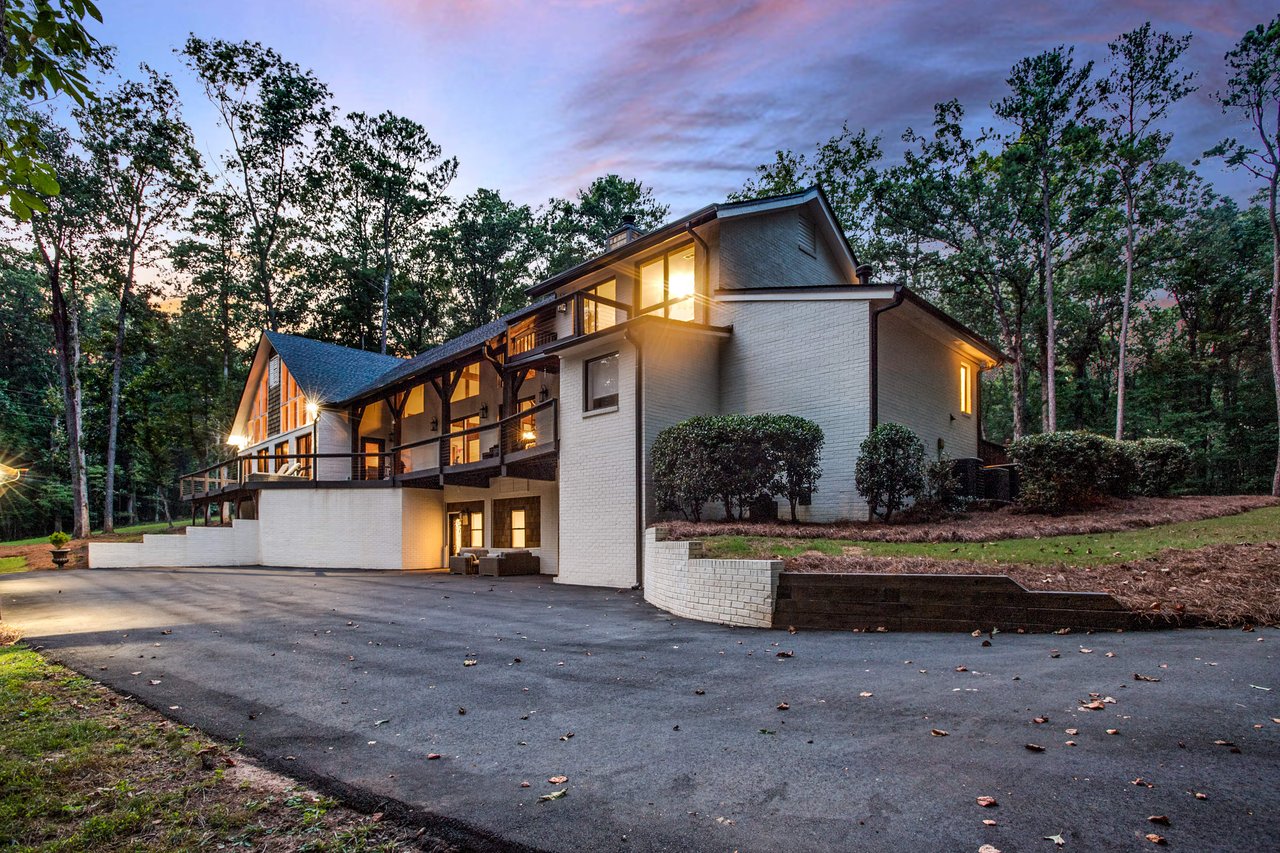
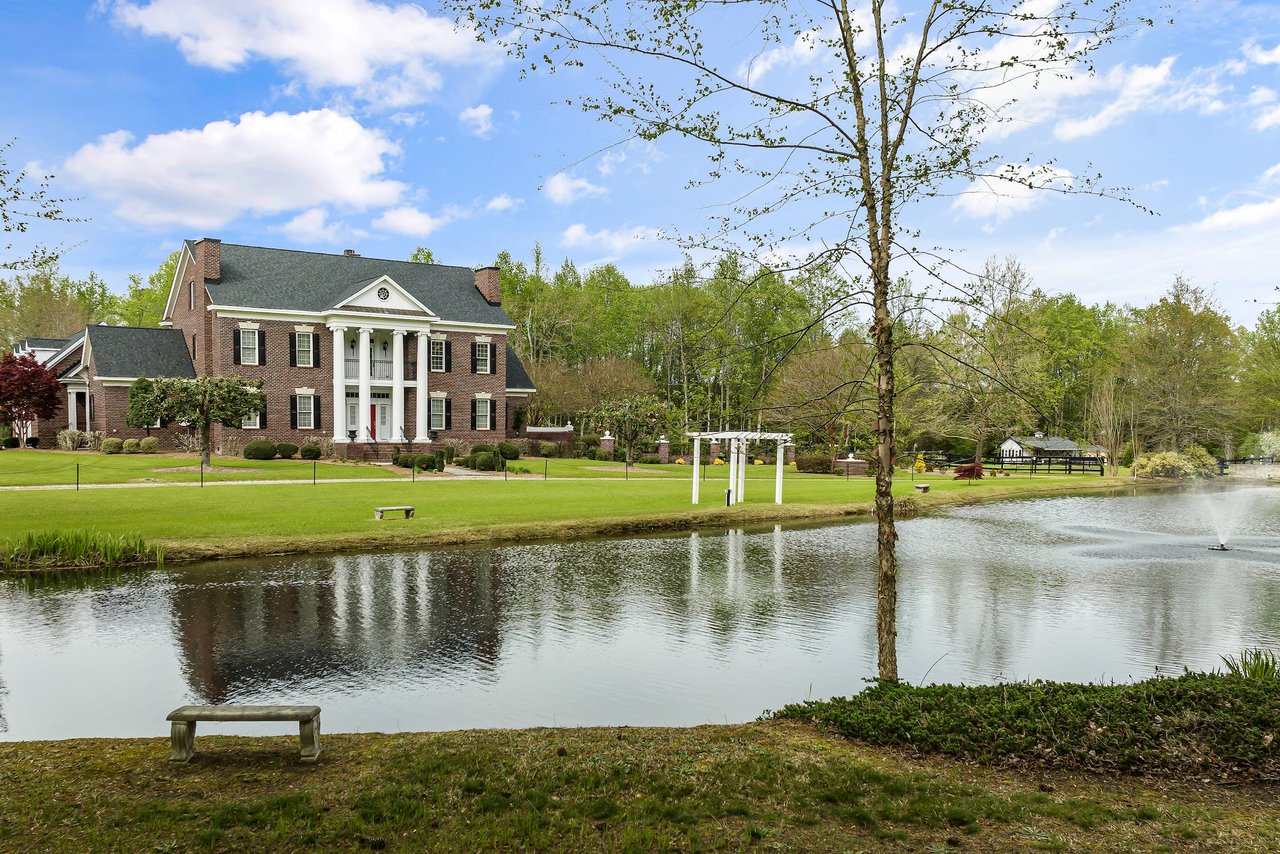
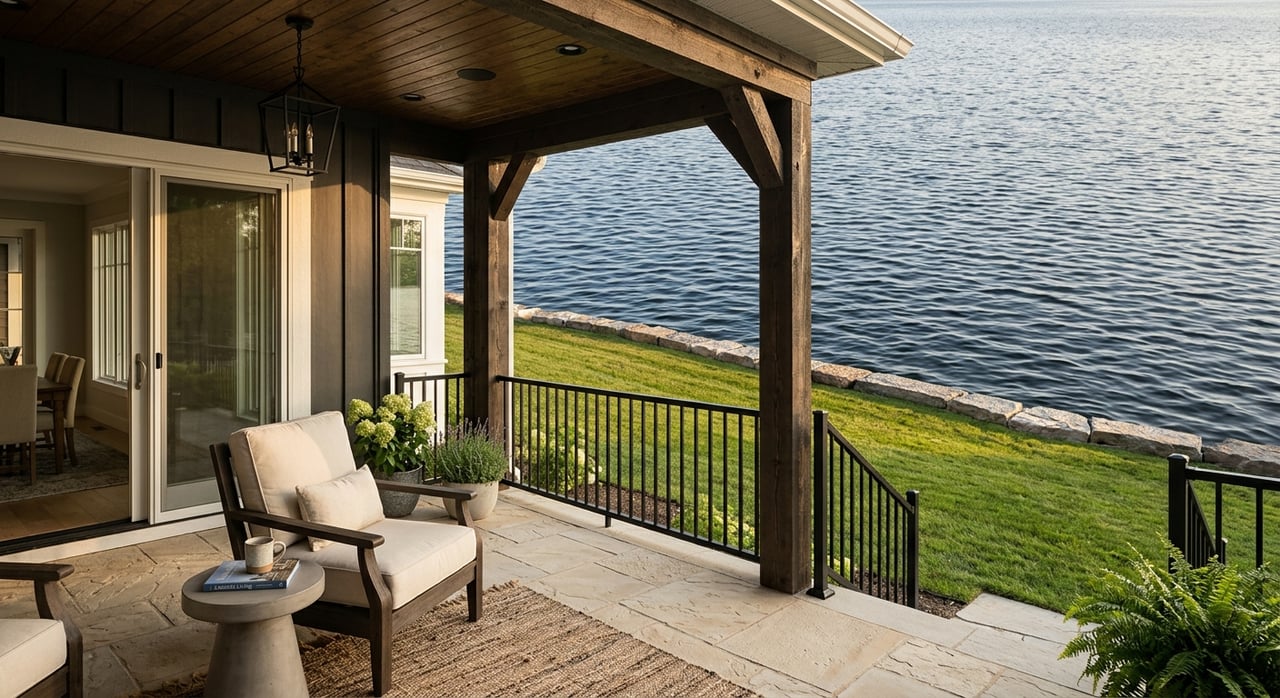
Acworth’s lake market covers a wide range. The premium end includes custom and craftsman-style waterfront homes with strong outdoor living features and dock access, while lower-price options can include compact cottages in marina communities or nearby suburban homes with quick lake access.
For example, one Allatoona waterfront home on Island Mill Road sold for $1.875 million. On the lower end, the Glade Marina cottage example sold for $170,000, though it came with the lease-and-fee structure already mentioned.
Near-lake homes often track the broader market
If you are looking for a conventional home near the water rather than a true waterfront property, pricing often lines up more closely with the broader Acworth market. A raised-ranch home close to Allatoona sold for $615,000, while a traditional home near Lake Acworth sold for about $395,000, based on examples cited in the research.
For wider context, Redfin showed Acworth’s median sale price at $400,000 in February 2026, while Realtor.com showed a citywide median listing price of $425,000. The research also notes that the Lake Acworth submarket is too small for separate published neighborhood metrics, so broader Acworth and ZIP-level comparisons are often more useful than trying to pin down a standalone lake-neighborhood median.
Which lake setup fits your lifestyle?
The right choice depends less on the word “lake” and more on how you plan to use it. A waterfront home with permit potential, a marina cottage, and a nearby neighborhood home can all deliver a different version of the same dream.
Here is a simple way to think about your options:
- Choose true lakefront or dock-access if private water use is your top priority and you are comfortable verifying permits, shoreline rules, and long-term limitations.
- Choose a marina cottage or leasehold setup if you want a low-maintenance lake retreat and are comfortable with lease terms, fees, and a nontraditional ownership structure.
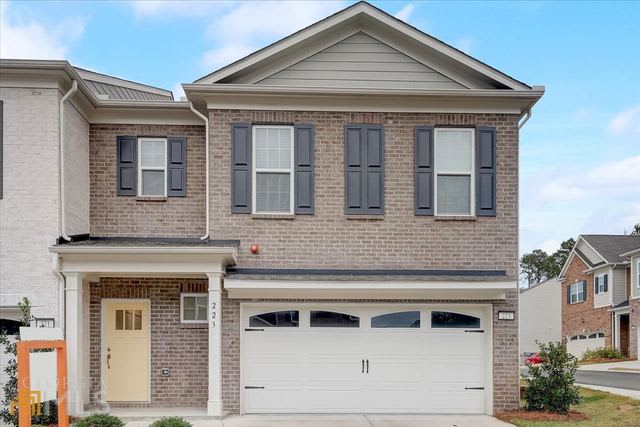
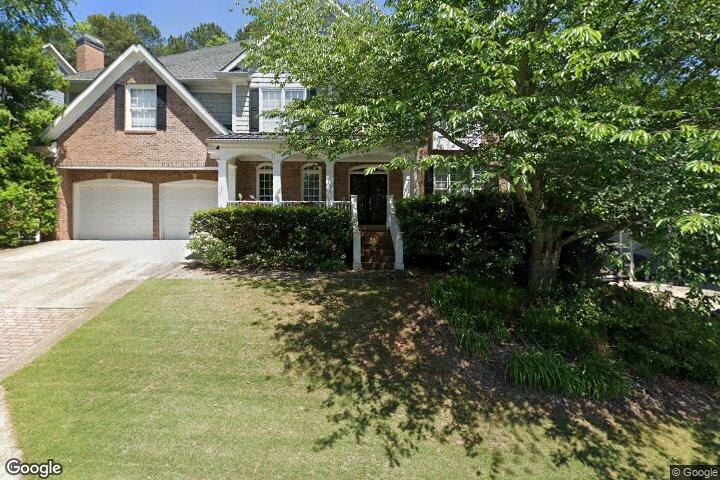
- Choose a nearby subdivision home if you want value, more interior space, and flexible day-to-day living while still staying close to the water.
Why Acworth stands out
If you have also looked at larger North Georgia lake markets, Acworth offers a more compact experience. The research notes that Lake Lanier is far larger, with more than 690 miles of shoreline and about 39,038 surface acres at pool, while Acworth’s appeal comes from its blend of city lake amenities, suburban neighborhoods, and access to Allatoona’s recreation.
In practical terms, that means you can pursue a lake-oriented lifestyle without giving up the convenience of normal errands, parks, and everyday suburban living. For many buyers, that balance is exactly what makes Acworth stand out.
A smart way to shop Acworth lake homes
When you tour homes near the water, try to evaluate more than the view. Ask whether the property is fee-simple or leasehold, whether the lot may qualify for a shoreline permit, whether there are monthly fees, and how you will actually access the water day to day.
A clear plan can save you time and protect your budget. If you want help sorting through the differences between waterfront, near-lake, and marina properties in Acworth, Amy Pedersen can help you evaluate your options with the kind of careful, high-touch guidance that keeps the details from becoming expensive surprises.
FAQs
What does waterfront mean for homes near Lake Allatoona in Acworth?
- Waterfront near Lake Allatoona often means the home sits next to Corps-controlled shoreline, and dock rights or shoreline use depend on permit eligibility, not just the listing description.
Can you own a private dock with an Acworth lake home?
- Possibly, but only if the lot qualifies in a limited development area and the permit is approved under USACE rules.
Do homes near Lake Allatoona in Acworth include ownership of the shoreline?
- No, the shoreline in front of the dock remains public land under USACE management.
Are there extra fees when buying near the water in Acworth?
- Yes, depending on the property, you may run into HOA dues, lease fees, dock-related costs, or marina charges.
What is the difference between Lake Acworth and Lake Allatoona for buyers?
- Lake Acworth is more city-park oriented with beaches and public amenities, while Lake Allatoona is the larger boating and marina-focused market.
Do Acworth residents get benefits at local lake parks?
- Yes, the City of Acworth’s seasonal parking rules at Cauble Park and South Shore Park treat residents more favorably than non-residents during peak periods.