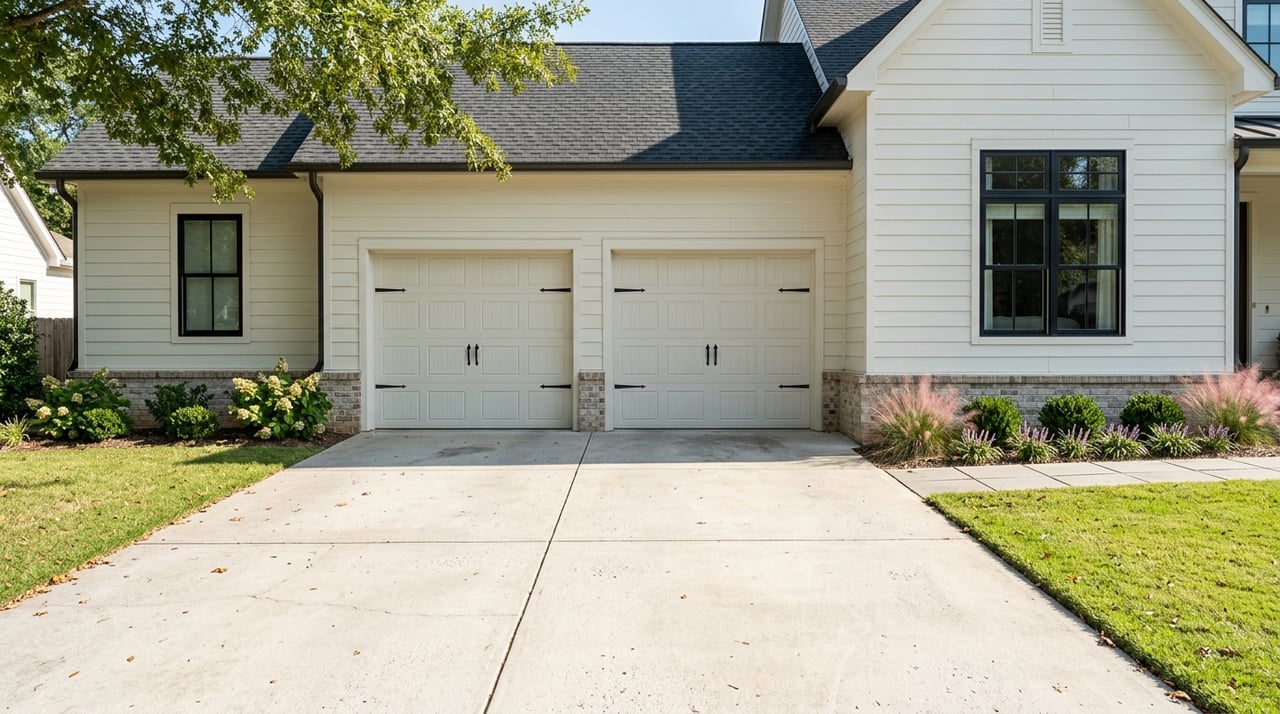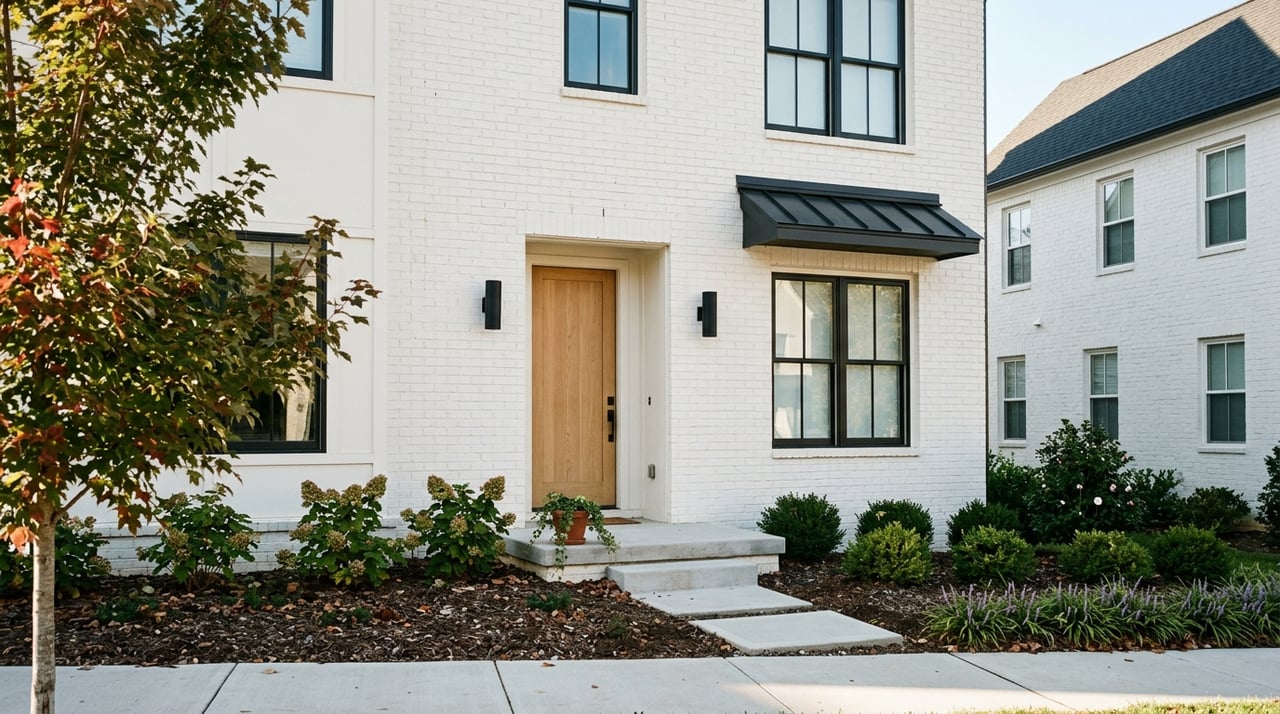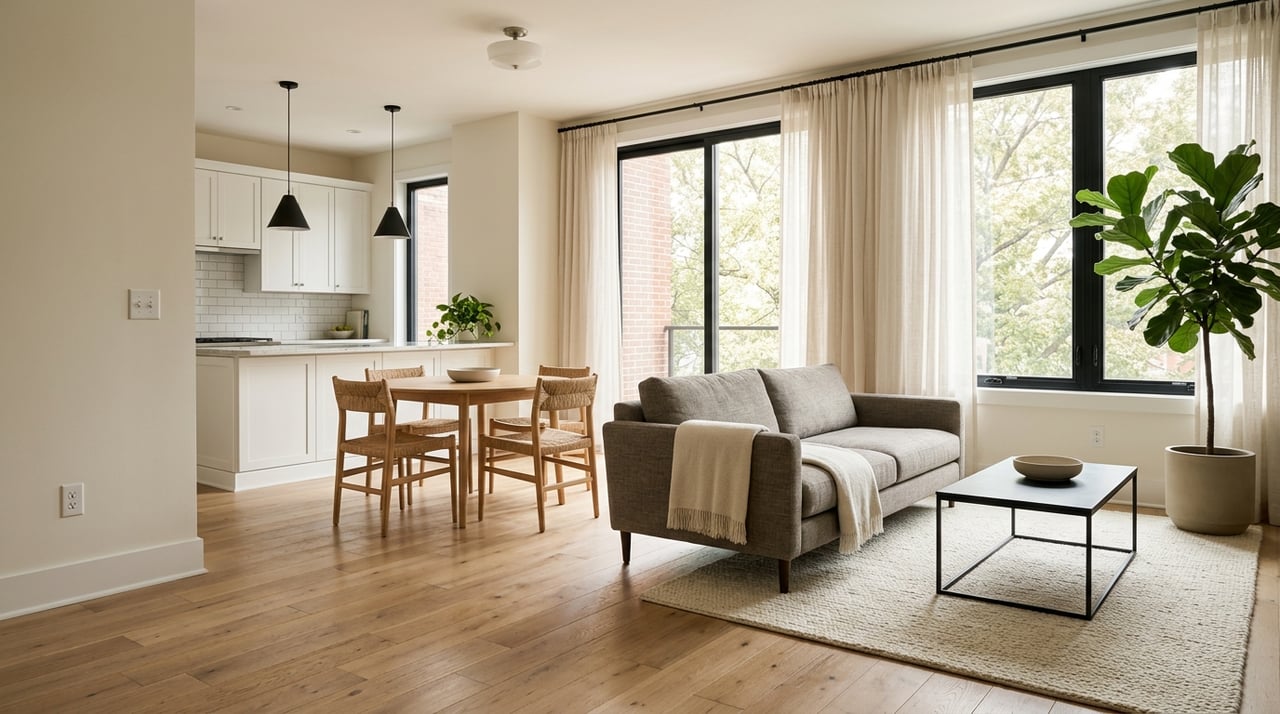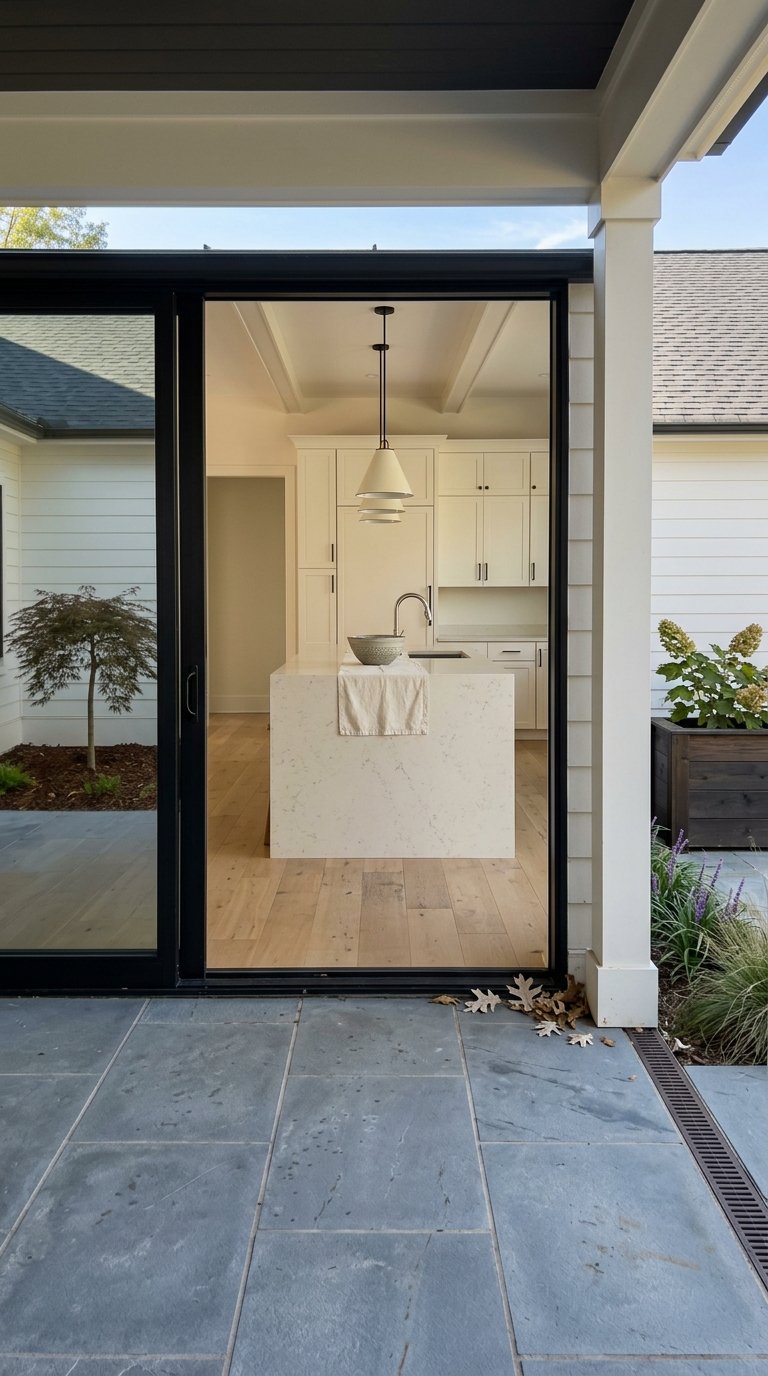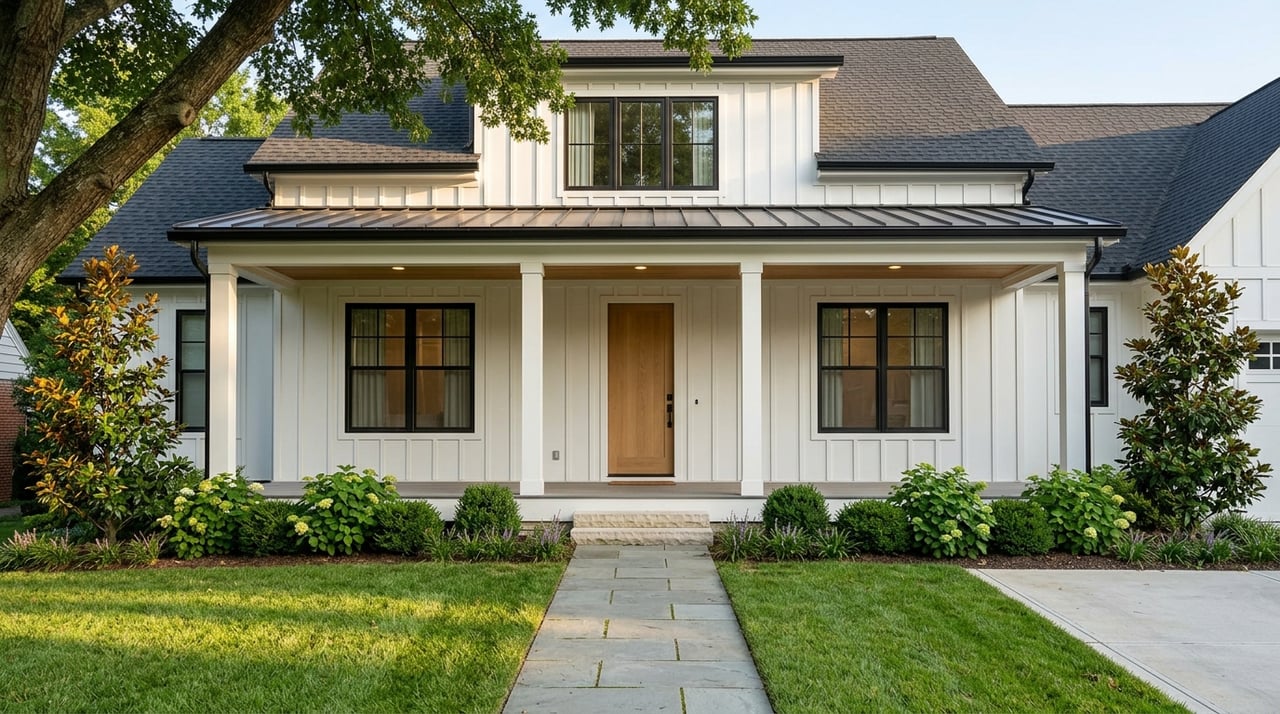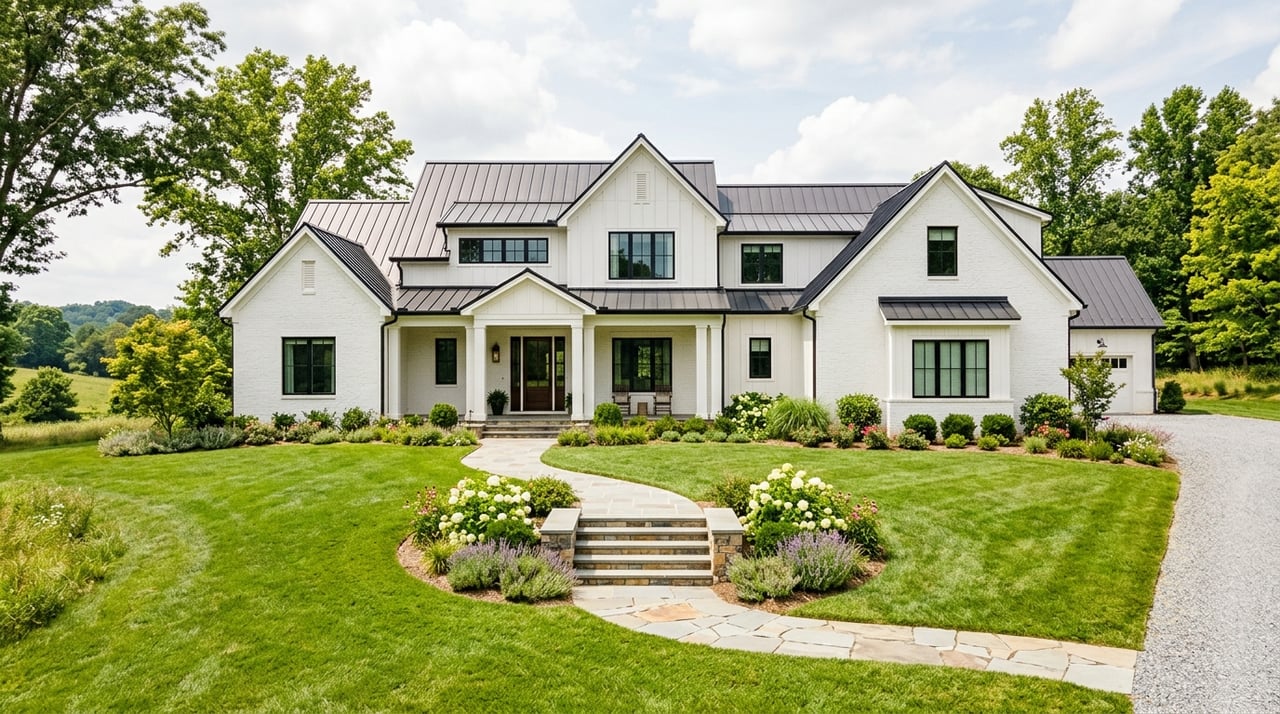
If you picture lake living as one specific kind of home, Lake Lanier may surprise you. In Cumming, your lake lifestyle can look very different depending on whether you want true waterfront access, a community with shared amenities, or simply a home with an easy drive to parks, ramps, and marinas. Knowing those differences up front can help you buy with more confidence and avoid costly assumptions. Let’s dive in.
What lake living means in Cumming
On the Forsyth County side of Lake Lanier, lake living is not limited to waterfront homes. The lake itself is large, with 39,000 acres of water, more than 690 miles of shoreline, 76 boat ramps, 10 marinas, 33 day-use park areas, and 7 campgrounds. That creates a wide range of ways to enjoy the lake, even if your home does not sit directly on the water.
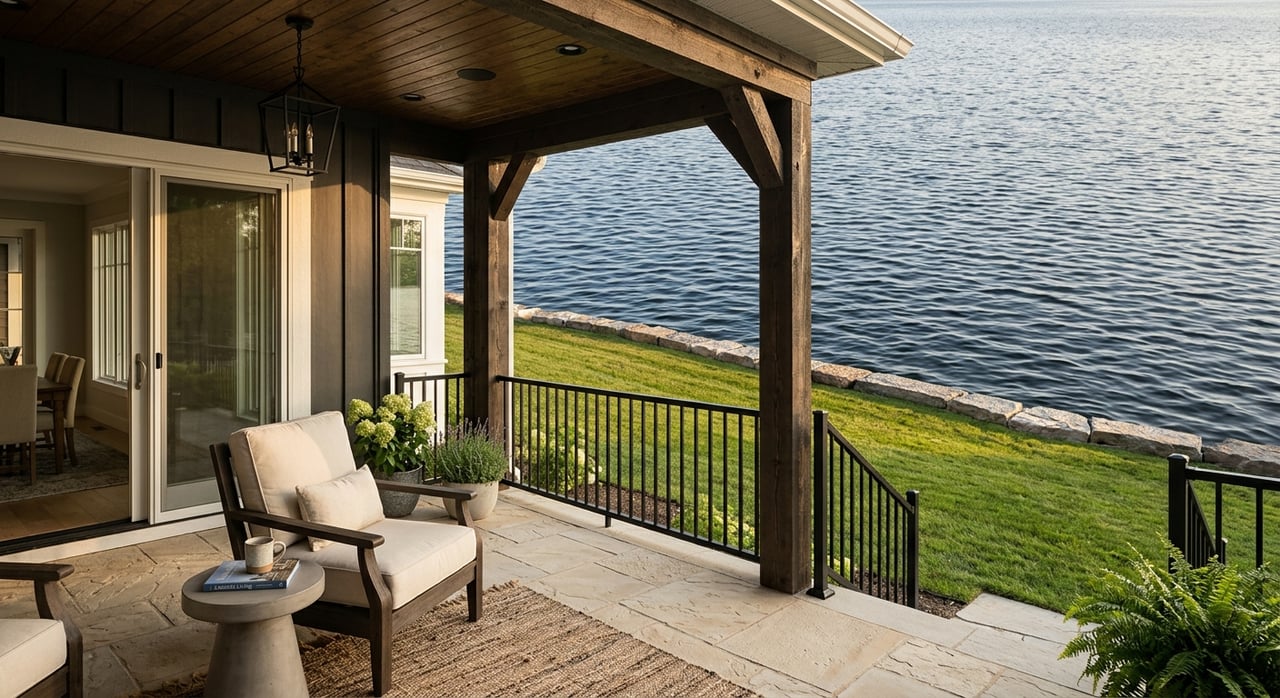
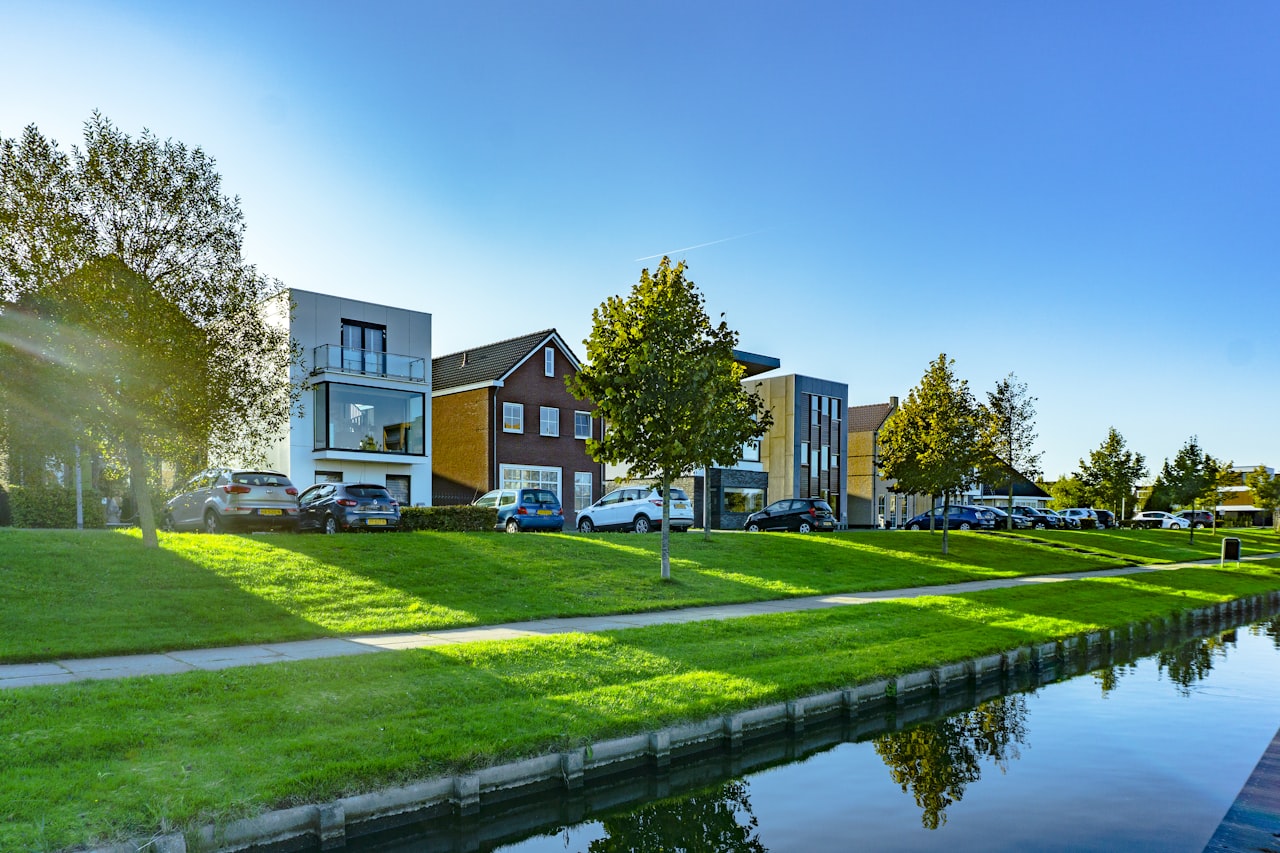
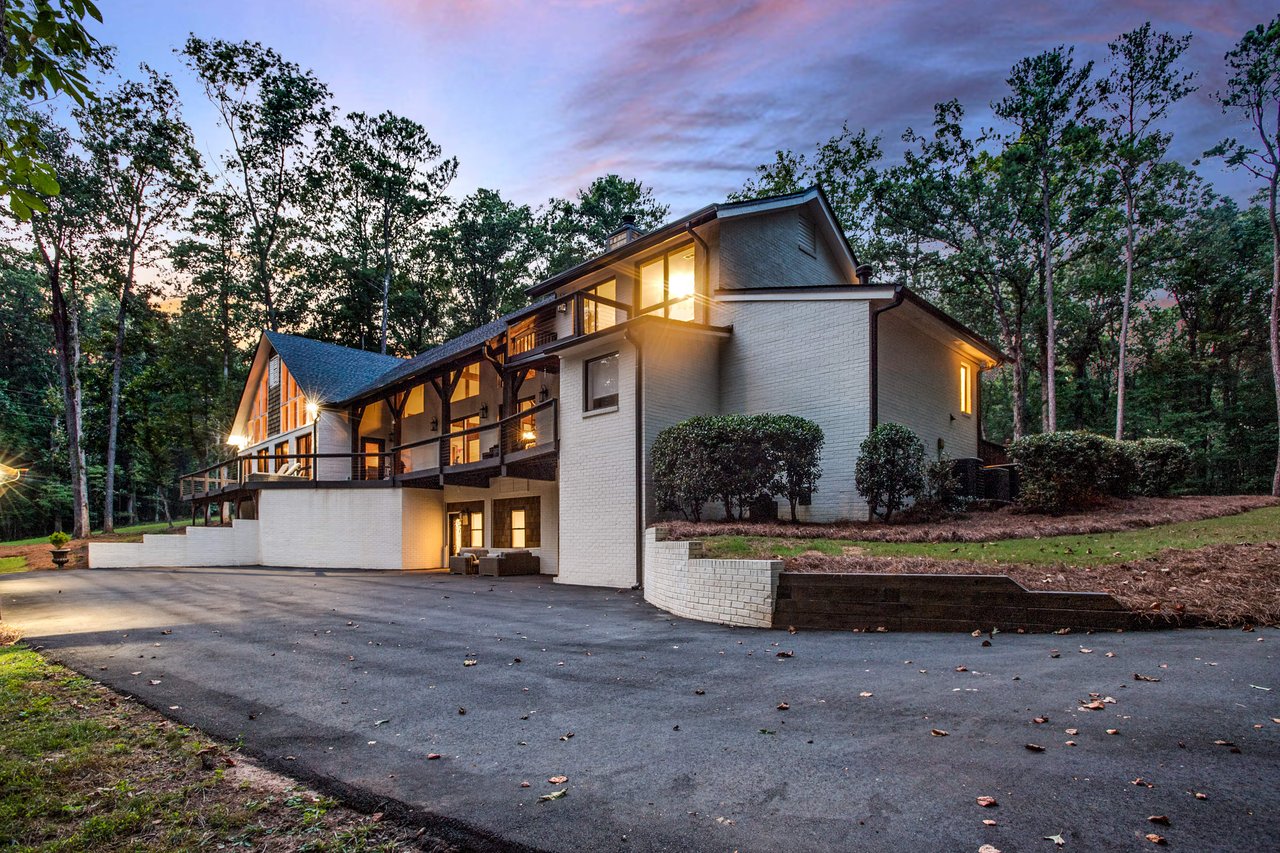
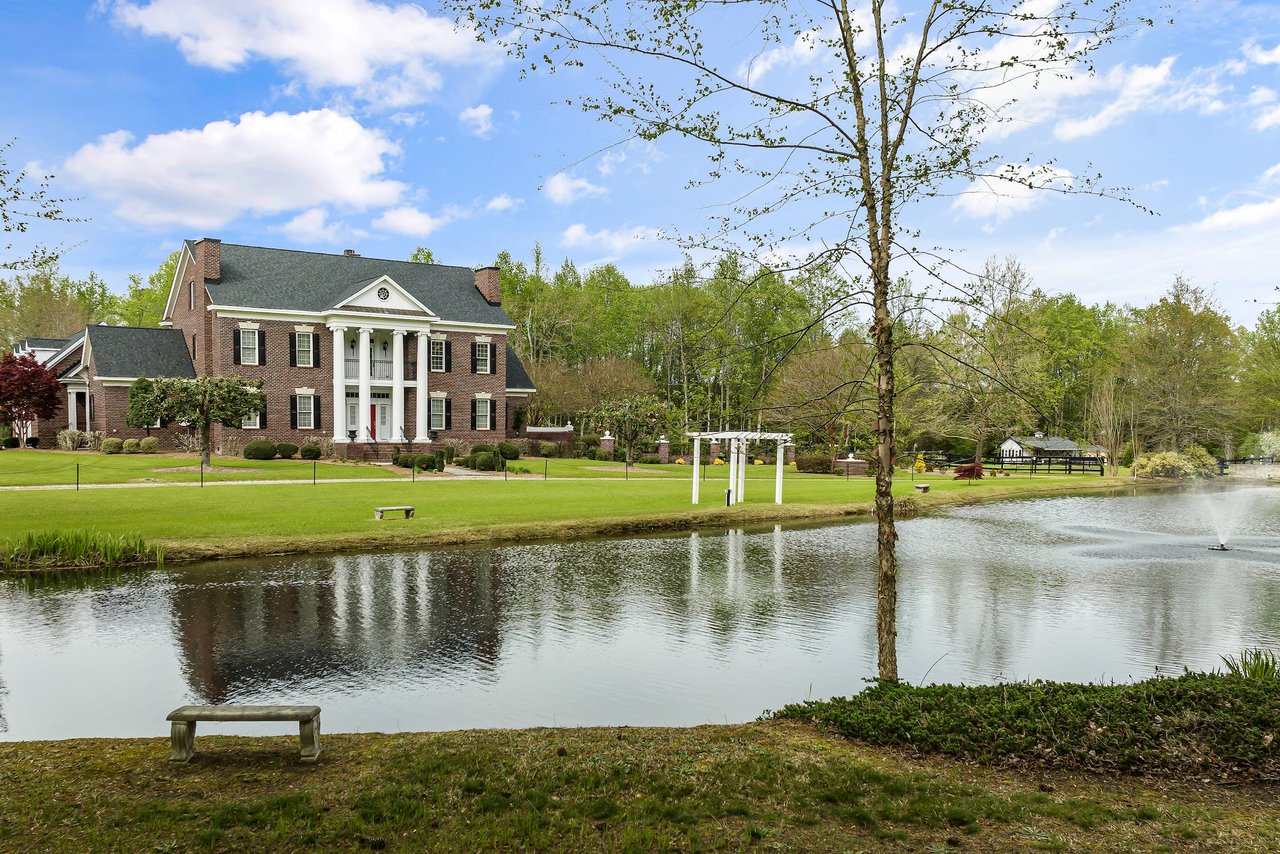
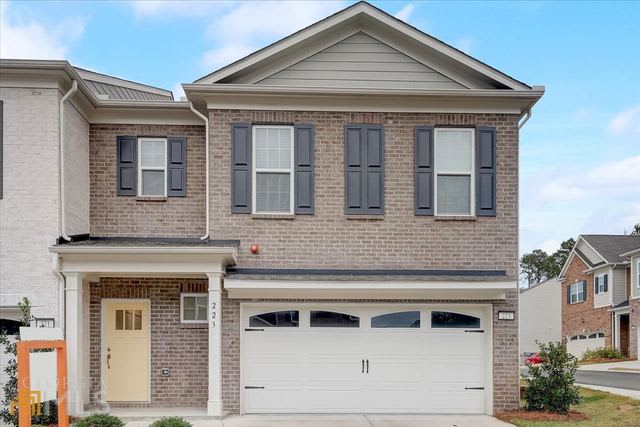
For most buyers, it helps to think about three broad property types. You may look at a true waterfront or shoreline-adjacent home, a neighborhood with HOA or community lake access, or an inland home that relies on public ramps and parks. These are not official zoning labels, but they are useful when comparing what each property really offers.
Why access matters more than the listing words
Marketing terms can make many homes sound similar, but access is where the real difference shows up. A home described as “near Lake Lanier” may offer a very different day-to-day experience than one with direct shoreline adjacency or convenient marina access. Before you fall in love with the lifestyle in the photos, make sure the property supports the way you actually plan to use the lake.
The U.S. Army Corps of Engineers manages Lake Lanier as a reservoir, and that matters for buyers. The Corps says the shoreline is open to the general public, while private shoreline facilities require separate permits. In simple terms, owning near the water does not automatically mean you own or control the shoreline in the way many buyers expect.
Understand dock and shoreline rules
If a home is next to the lake, dock rights should never be assumed. The Corps says it may issue Shoreline Use Permits or Licenses to property owners adjacent to public lands zoned for limited development, but those permits do not convey real estate rights and do not grant private exclusive use of government property. They are also nontransferable and last up to five years.
That means your deed and your shoreline use are two separate questions. If there is a dock, a path, stairs, or other shoreline improvement, you want to verify exactly what is permitted and what approvals are in place. Any work on public property must be approved before it is done, so due diligence here is essential.
Questions to ask about shoreline use
- Is the home adjacent to Corps-managed land?
- Is there an existing Shoreline Use Permit or License?
- What private improvements are currently allowed?
- Are there any pending issues related to dock, path, or shoreline access?
- If you want changes later, what approval process would apply?
HOA rules can shape your lake lifestyle
Lake access is not only about public rules. Private covenants can be just as important when you are evaluating a home in Cumming. Forsyth County states that county permission does not override restrictive covenants or other private agreements, and the county does not enforce those private rules.
That makes HOA review a key part of your buying process. A neighborhood may have rental caps, parking restrictions, architectural review standards, or rules that affect boat storage and exterior changes. If your goal is a relaxed lake lifestyle, those documents deserve just as much attention as the home itself.
HOA details worth checking
- Boat and trailer parking rules
- Community access to docks, slips, or launch areas
- Exterior modification approval requirements
- Rental restrictions or caps
- Guest parking limits
Public lake access in Forsyth County
One of the biggest advantages of living in Cumming is that you do not need a waterfront deed to enjoy Lake Lanier often. Forsyth County lists several county-operated lake parks and campgrounds, including Charleston Park, Mary Alice Park, Six Mile Creek Park, Young Deer Creek Park, Bald Ridge Campground, Sawnee Campground, and Shady Grove Campground. The county specifically notes that Shady Grove Campground is on the shores of Lake Lanier in Cumming.
Forsyth County also lists Corps-operated parks in the county, including Tidwell Park, Little Ridge Park, Two Mile Creek Park, Vanns Tavern Park, Keith Bridge Park, Long Hollow Park, and West Bank Park. For buyers, this broad public-access network can make an inland home feel much more connected to the lake than you might expect.
Think beyond summer weekends
Lake Lanier supports boating, fishing, camping, picnicking, swimming, and hiking, so the lifestyle is broader than a few warm-weather outings. The Corps says day-use parks are open daily from 8:00 a.m. to 10:00 p.m., though some parks are totally or partially closed in winter months. Most ramps are open year-round, but they may close when water levels are low.
That seasonal variation matters when you choose where to live. If you plan to use the lake often, proximity to your preferred ramp, park, or marina may matter more than having a lake-related address. A practical location can support year-round enjoyment much better than a property that sounds ideal on paper.
Marinas, ramps, and daily convenience
Lake Lanier has 10 marinas, and the Corps says they provide fuel, storage, repair, snacks, and supplies. For some buyers, that convenience becomes a major part of the value equation. If your routine includes boating, dry storage, or quick access after work, a home near the right marina may fit your life better than a home that is simply closer to the shoreline.
It also helps to know that access points are operated by different entities. Forsyth County notes that county-operated lake parks and camps have their own fee structure, and Corps park passes are not accepted at county-operated facilities that require paid access. In other words, regular lake use is not just about distance. It is also about how and where you plan to enter the lake.
Buying for a primary home, second home, or rental
Your intended use should shape your search from the beginning. A primary residence used only as a home is usually the most straightforward path. A second home can still bring shoreline rules and HOA restrictions into the picture, even if you do not plan to rent it.
Short-term rental plans require extra care in Forsyth County. The county says short-term rentals are only permissible in Agricultural (A1) or Agricultural Residential (Ag-Res) zoning districts with an approved Conditional Use Permit. If a property is marketed as an active vacation rental, do not assume that setup automatically works for you after closing.
What Forsyth County says about short-term rentals
The county defines a short-term rental as overnight lodging for less than 30 days. Each structure needs its own short-term rental license, apartments are not eligible, the application is annual, the fee is $250, and the license is not transferable if ownership changes. That means a current license does not move with the property to a new owner.
The occupancy rules are also specific. For sewer-served homes, overnight occupancy is capped at two people per bedroom plus two additional persons per residence, up to 15 total. For septic systems, overnight occupancy is two people per bedroom, with the same 15-person cap, and daytime occupancy is limited to four additional guests beyond the overnight limit, up to 19 total.
A local contact person must also be available 24/7 and respond within three hours after notice of a violation or complaint. Put simply, a short-term rental strategy only works when zoning, a Conditional Use Permit, county licensing, and private covenants all align. If even one piece is missing, your plan may not work.
A smart way to compare homes
When you tour homes in the Lake Lanier area, it helps to compare them based on use, not just price or distance to water. Two properties in Cumming may both promise “lake living,” but one may support your goals much better than the other. The best choice usually comes down to how you want to spend your time.
Here is a simple way to frame your search:
- Waterfront or shoreline-adjacent: Best if direct proximity is your top priority and you are prepared for extra shoreline due diligence.
- Community-access home: Best if you want shared amenities and a neighborhood setting, while understanding HOA rules clearly.
- Inland home with public access: Best if you want flexibility, easier entry points, and access to parks, ramps, and marinas without paying for direct frontage.
What buyers should verify before making an offer
A careful review can save you time, money, and stress later. In the Lake Lanier area, the details behind the lifestyle matter as much as the home itself. The more specific your questions are, the more confident your decision will be.
Buyer checklist for Lake Lanier homes
- Confirm whether the property is waterfront, community-access, or inland with public-access reliance
- Verify shoreline use, dock status, and any Corps-related permits separately from the deed
- Review HOA covenants for parking, rentals, exterior changes, and water-access rules
- Identify the nearest parks, ramps, marinas, or campgrounds you would realistically use
- Ask how seasonal closures, water levels, and access fees may affect your routine
- If rental use matters, confirm zoning, Conditional Use Permit status, license requirements, and occupancy limits
The bottom line for Cumming buyers
Lake Lanier living in Cumming can be as simple or as layered as the property you choose. For some buyers, the right fit is a waterfront home with carefully verified shoreline rights. For others, the better move is a non-waterfront home that offers easy access to parks, marinas, and public launch points without the added complexity.
The key is buying the lifestyle you actually want, not just the label in the listing. If you want help comparing lake-oriented homes in Cumming and understanding how access, HOA rules, and property use affect your options, connect with Amy Pedersen for thoughtful, high-touch guidance.
FAQs
What does lake living in Cumming, GA actually include?
- Lake living in Cumming can mean a true waterfront home, a neighborhood with community lake access, or an inland home with convenient access to Lake Lanier parks, ramps, and marinas.
Do waterfront homes in Cumming automatically include dock rights?
- No. On Lake Lanier, shoreline use and dock rights need to be verified separately from the deed because the Corps manages shoreline permits and related approvals.
Are there public places to access Lake Lanier from Forsyth County?
- Yes. Forsyth County lists county-operated and Corps-operated parks and campgrounds that give buyers multiple ways to enjoy the lake without owning direct frontage.
Can you use a Cumming lake home as a short-term rental?
- Only in limited cases. Forsyth County says short-term rentals are only permissible in A1 or Ag-Res zoning districts with an approved Conditional Use Permit, and private covenants may still restrict them.
What should buyers review before purchasing a Lake Lanier area home?
- Buyers should review shoreline access, dock or permit status, HOA covenants, nearby public-access options, and any zoning or licensing requirements tied to their intended use of the property.